This trend reflects broader consumer preferences for recognizable ingredients, transparent sourcing, and convenient packaging formats that align with modern lifestyles.
Key Takeaways
- The Americas represent one of the fastest-growing markets for coconut-based beverages, driven by health-conscious consumers and shifting preferences away from sugary soft drinks
- Coconut water with cucumber juice blends offer a unique positioning in the functional hydration segment, combining natural electrolytes with refreshing flavor profiles
- OEM/ODM manufacturers like RITA Food and Drink Co., Ltd. are expanding their capabilities to meet growing demand for customizable coconut beverage formulations
- PET bottle packaging in 500ml formats is becoming the preferred choice for retail and foodservice distribution across the region
- Clean-label transparency and recognizable ingredients are now essential for market entry in competitive North and South American markets
The convergence of coconut water's natural hydration properties and cucumber's refreshing characteristics has created a beverage category that resonates with consumers seeking both taste and functionality. As the market continues to evolve, manufacturers and distributors across the Americas are recognizing the commercial potential of this innovative blend.
Consumer Preferences Shift Toward Natural Hydration Solutions
Across Canada, Mexico, Brazil, Argentina, Colombia, Chile, Peru, the United States, Ecuador, Venezuela, and Central America, consumer preferences are undergoing a significant transformation. The demand for beverages made with recognizable, natural ingredients has accelerated, driven by increased awareness of ingredient sourcing and a desire for transparency in food and beverage products. This shift is particularly pronounced in the hydration segment, where consumers are moving away from artificially flavored options toward products that deliver genuine refreshment through natural ingredients.
Coconut water has established itself as a staple in tropical and warm-climate markets, valued for its natural electrolyte content and refreshing taste profile. The introduction of cucumber juice as a complementary ingredient has expanded the appeal of coconut-based beverages, creating a unique flavor combination that distinguishes these products from traditional fruit juices and single-ingredient coconut waters. This innovation reflects a broader industry trend toward ingredient fusion and flavor experimentation.
Market Dynamics Driving Demand
Several interconnected factors are fueling the growth of coconut water with cucumber juice blends across the Americas. First, the rising consumer preference for low-sugar, naturally flavored beverages has created a receptive market for products that deliver refreshment without excessive sweetness. Second, the convenience of PET bottle packaging, particularly in the 500ml format, aligns with on-the-go consumption patterns that dominate retail and foodservice channels. Third, the growing interest in plant-based and naturally sourced ingredients has positioned coconut water blends as attractive alternatives to conventional soft drinks and artificially enhanced beverages.
The competitive landscape in the Americas beverage market is increasingly characterized by innovation in flavor profiles and ingredient combinations. Brands and distributors are seeking products that offer differentiation while meeting consumer expectations for quality and authenticity. The coconut water and cucumber juice combination addresses these requirements by providing a distinctive taste experience that leverages the natural appeal of both ingredients.
Product Innovation and Flavor Development
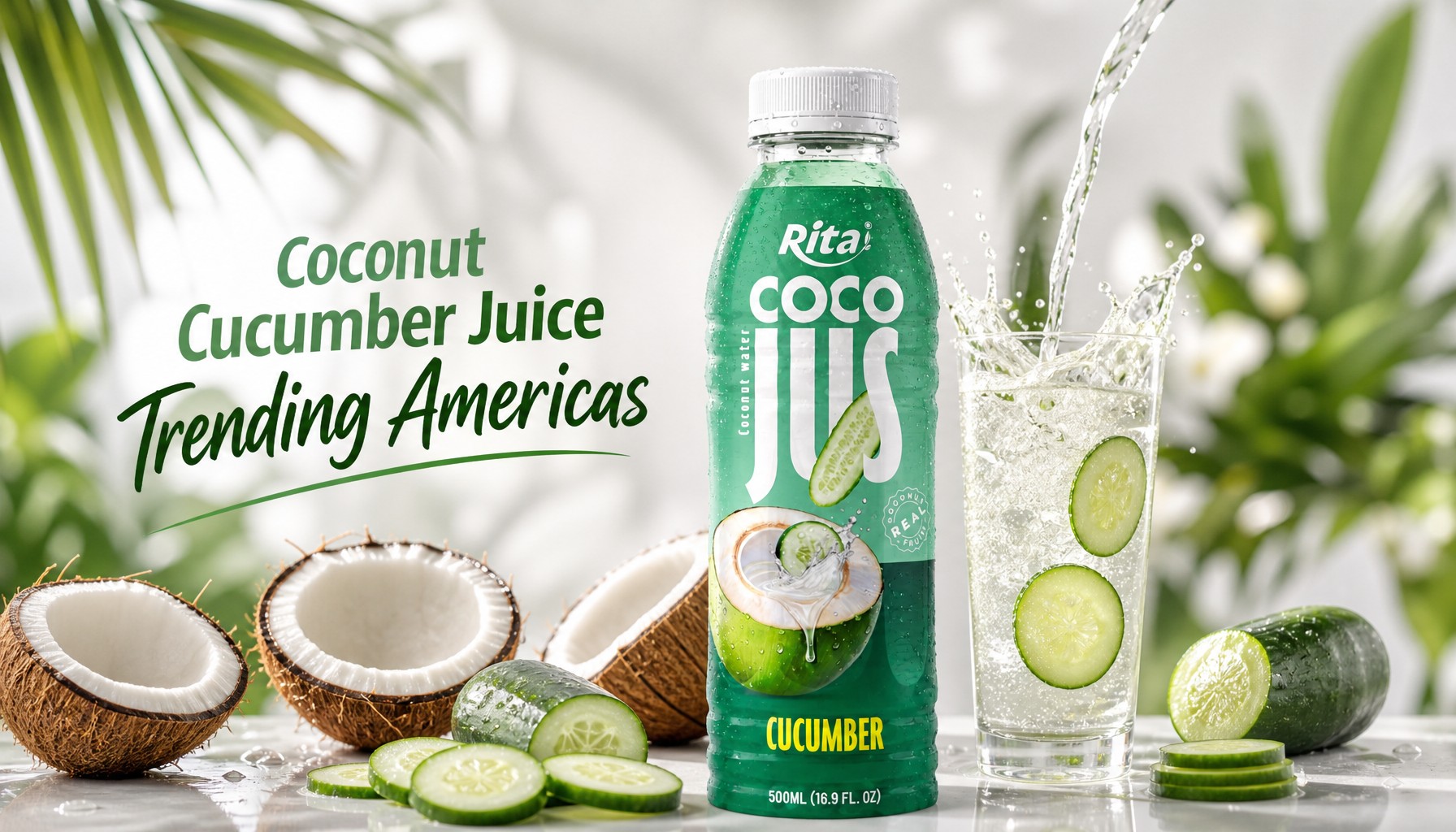
The development of coconut water with cucumber juice represents a thoughtful approach to beverage innovation that balances flavor, functionality, and consumer appeal. The product combines real coconut water as its base with genuine cucumber juice, creating a blend that delivers a clean, mildly sweet taste profile with a subtle green twist. This formulation approach aligns with the brand philosophy of using authentic ingredients rather than artificial flavoring agents.
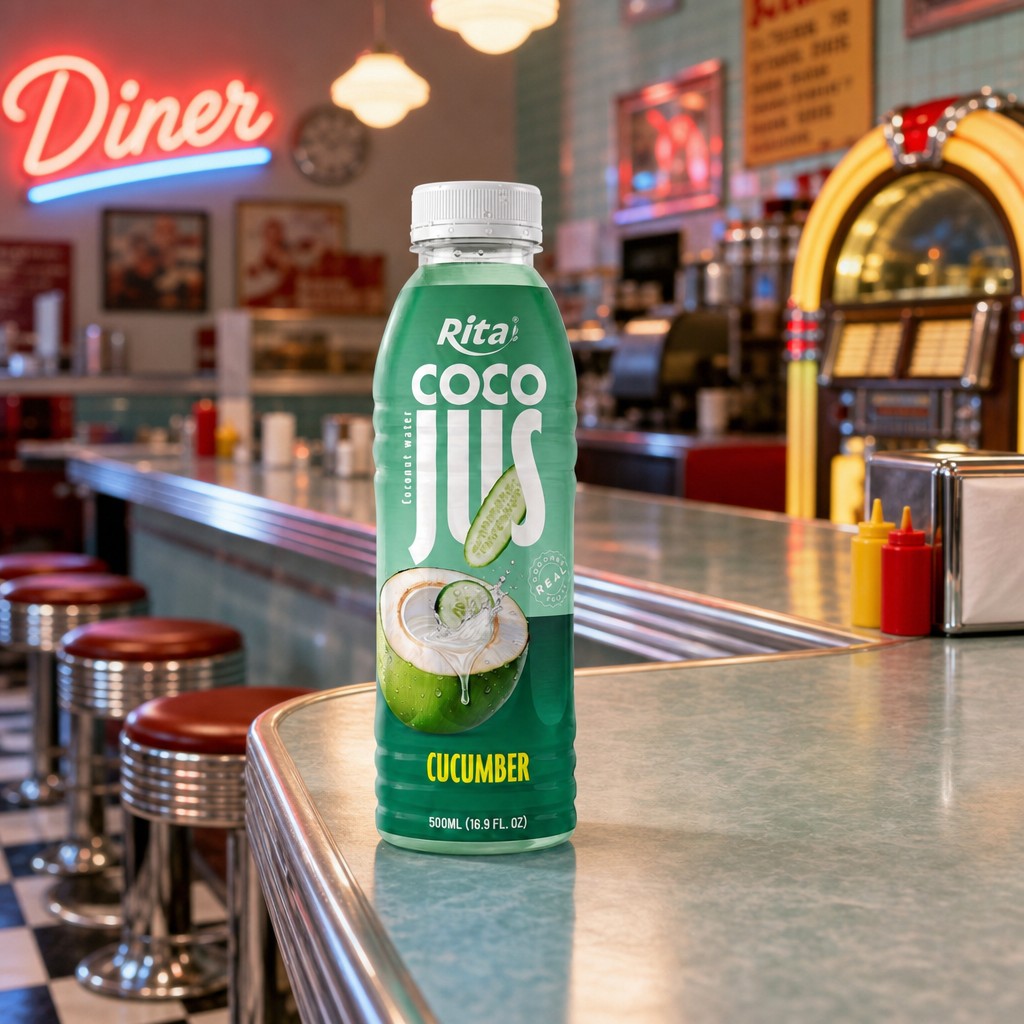
The sensory characteristics of this blend are noteworthy. The coconut water base provides a smooth, naturally hydrating foundation, while the cucumber juice adds a delicate, refreshing note that enhances the overall drinking experience. The result is a beverage that is light, crisp, and naturally thirst-quenching—qualities that resonate with consumers seeking refreshment without heaviness or excessive sweetness. The vibrant green packaging, featuring fresh cucumber and coconut imagery, reinforces the product's natural positioning and signals freshness to potential buyers.
Technical Specifications and Quality Standards
For manufacturers and distributors evaluating this product category, understanding the technical specifications is essential for market positioning and regulatory compliance. The coconut water with cucumber juice blend typically exhibits a pH of 4.0±0.5 and a Brix level of 6.7±0.5, though these parameters can be adjusted through OEM/ODM partnerships to meet specific market requirements and taste preferences. These values represent reference points that manufacturers can modify to suit different regional preferences and regulatory frameworks.
Quality assurance in this product category extends beyond basic specifications to encompass comprehensive manufacturing standards. Products intended for export to the Americas must meet stringent international quality requirements, including certifications such as BRC, FSSC 22000, Halal, Kosher, ISO, GMP, HACCP, and SMETA. These certifications provide assurance to importers and distributors regarding product safety, manufacturing consistency, and ethical production practices.
Supply Chain Considerations for the Americas Market
The logistics of distributing coconut water with cucumber juice across the Americas present both opportunities and challenges that manufacturers and importers must navigate carefully. The 500ml PET bottle format has emerged as the preferred packaging solution for this market, offering advantages in terms of durability during shipping, shelf stability, and consumer convenience. PET packaging is well-suited to withstand the rigors of international transportation while preserving the product's fresh taste and visual appeal.
Supply chain reliability is a critical factor for importers and distributors operating in competitive North and South American markets. Manufacturers with established export capabilities and robust logistics networks are better positioned to meet the demands of this dynamic region. The ability to maintain consistent quality across large production volumes while ensuring timely delivery to diverse destinations is a key differentiator in the coconut beverage segment.
OEM/ODM Capabilities and Market Adaptation
As an OEM/ODM partner, RITA Food and Drink Co., Ltd. offers comprehensive customization services that enable brands to tailor formulations, packaging, and technical specifications to meet specific market requirements. This flexibility is particularly valuable in the Americas, where consumer preferences and regulatory standards vary significantly across different countries and regions. The company's ability to adjust pH levels, Brix values, and flavor profiles allows for market-specific optimization that enhances product appeal and regulatory compliance.
The OEM/ODM model also provides advantages in terms of production scalability and cost efficiency. With 50+ automated production lines and the capacity to export over 1,200 containers monthly, manufacturers like RITA can support both emerging brands and established distributors seeking to expand their coconut beverage portfolios. This production capacity ensures that demand fluctuations and seasonal variations can be accommodated without compromising product availability or quality standards.
From Our Orchards: Raw Material Sourcing
The quality of coconut water with cucumber juice begins with the careful selection and sourcing of raw materials. RITA's commitment to ingredient authenticity is reflected in its sourcing practices, which emphasize freshness and quality at every stage of the supply chain. The company's Mekong Delta fruit farms provide a reliable source of high-quality raw materials, ensuring that the coconut water and cucumber juice used in production meet the company's stringent quality standards.
The Mekong Delta region of Vietnam is renowned for its fertile soil and favorable growing conditions, making it an ideal location for cultivating the fruits and vegetables used in beverage production. This geographic advantage enables manufacturers to source fresh, high-quality ingredients that contribute to the superior taste and nutritional profile of the final product. The proximity of raw material sources to production facilities also reduces transportation time and costs, further enhancing product freshness and quality.
https://www.youtube.com/watch?v=jiBixXjeG8A
Competitive Positioning in the Americas
The competitive landscape for coconut water with cucumber juice in the Americas is characterized by increasing product differentiation and brand innovation. As more manufacturers enter this segment, success depends on the ability to offer distinctive flavor profiles, consistent quality, and competitive pricing. The coconut water and cucumber juice combination provides a unique market position that distinguishes it from single-ingredient coconut waters and traditional fruit juice blends.
For importers and distributors, the appeal of this product category lies in its versatility and broad consumer appeal. The blend's light, refreshing taste profile makes it suitable for a wide range of consumption occasions, from post-workout hydration to everyday refreshment. The 500ml PET bottle format is well-suited for both retail shelf placement and foodservice distribution, providing flexibility in channel strategy and market penetration approaches.
Distribution Channel Opportunities
The distribution landscape for coconut water with cucumber juice across the Americas encompasses multiple channels, each with distinct requirements and opportunities. Retail distribution through supermarkets, convenience stores, and specialty health food outlets represents the primary channel for consumer packaged goods. Foodservice distribution through restaurants, cafes, hotels, and catering operations provides additional volume opportunities, particularly for products positioned as premium or innovative offerings.
E-commerce and direct-to-consumer channels are also gaining traction in the Americas, driven by changing consumer shopping habits and the growing acceptance of online beverage purchasing. Manufacturers and distributors that can effectively navigate both traditional and digital channels are better positioned to capture market share in this dynamic and competitive landscape. The 500ml PET bottle format is particularly well-suited for e-commerce distribution due to its durability and stackability.
Industry Trends and Market Outlook
The broader beverage industry trends in 2026 provide important context for understanding the growth trajectory of coconut water with cucumber juice blends. The premium and import beverage segments continue to demonstrate resilience, with consumers increasingly willing to pay premium prices for products that offer authentic ingredients and unique flavor experiences. This trend is particularly evident in the craft and artisanal beverage categories, where ingredient transparency and flavor innovation are key purchase drivers.
Market & Export Overview
Coconut water with blueberry has experienced remarkable growth in global trade over the past year. The following data, sourced from Tradesparq, highlights the product's expanding market footprint across key metrics.
Annual Trade Trend (2025 vs 2026)
| Year | Transaction Count | Total Trade Value (USD) | Total Weight (kg) | Total Quantity (units) |
|---|---|---|---|---|
| 2025 | 10 | 110,039 | 47,146 | 31,100 |
| 2026 | 24 | 156,663 | 521,812 | 117,210 |
| YoY Growth | 140% | 42% | 1007% | 277% |
Data source: Tradesparq Trade Data (tradesparq.com)
Top Origin Countries
| Origin Country | Transaction Count | Trade Value (USD) | Weight (kg) | Quantity (units) | Market Share |
|---|---|---|---|---|---|
| Vietnam | 29 | 266,702 | 402,721 | 122,654 | 85% |
| Malaysia | 2 | 0 | 43,948 | 3,900 | 6% |
| Guatemala | 1 | 0 | 20,671 | 1,977 | 3% |
| Netherlands | 1 | 0 | 92,806 | 19,218 | 3% |
| Taiwan | 1 | 0 | 8,812 | 560 | 3% |
Data source: Tradesparq Trade Data (tradesparq.com)
Top Destination Countries
| Destination Country | Transaction Count | Trade Value (USD) | Weight (kg) | Quantity (units) | Market Share |
|---|---|---|---|---|---|
| United States | 26 | 215,411 | 542,258 | 138,906 | 76% |
| United Arab Emirates | 2 | 4,638 | 0 | 1,040 | 6% |
| Chile | 2 | 15,744 | 0 | 2,253 | 6% |
| Panama | 2 | 3,426 | 26,700 | 601 | 6% |
| Australia | 1 | 49 | 0 | 49 | 3% |
| Vietnam | 1 | 27,434 | 0 | 5,460 | 3% |
Data source: Tradesparq Trade Data (tradesparq.com)
Vietnam dominates the global supply of coconut water with blueberry, commanding 85% of all transactions and 96% of total trade value. Its established coconut cultivation base and beverage manufacturing infrastructure position it as the primary origin for this product category. On the demand side, the United States absorbs 76% of all transactions and 77% of trade value, reflecting strong American consumer appetite for healthy, natural beverages. Emerging markets in the Middle East (UAE) and Latin America (Chile, Panama) each hold 6% market share, signaling growing international interest and potential expansion opportunities for exporters.
The dramatic 1007% year-on-year growth in trade weight — from 47,146 kg in 2025 to 521,812 kg in 2026 — points to a structural shift toward bulk purchasing, with large-scale retail buyers scaling up inventory to meet rising consumer demand. Meanwhile, the more moderate 42% growth in trade value suggests competitive pricing pressures and bulk discount dynamics at play in the market.
The ready-to-drink (RTD) segment is experiencing significant investment and expansion, with major beverage companies allocating resources to develop new products and production capacity. This investment reflects confidence in the continued growth of convenient, portable beverage formats that meet consumer demand for on-the-go refreshment. Coconut water with cucumber juice, with its natural positioning and convenient PET packaging, is well-positioned to benefit from these industry trends.
Regulatory and Trade Considerations
Navigating the regulatory landscape across the Americas requires careful attention to import requirements, labeling standards, and food safety regulations. Each country within the region maintains specific requirements for beverage imports, including documentation, testing, and certification standards. Manufacturers and importers that invest in understanding and complying with these requirements gain a competitive advantage in terms of market access and consumer trust.
Trade dynamics in the Americas are also influenced by evolving tariff structures and trade agreements. The ability to maintain competitive pricing while meeting quality and regulatory standards is essential for successful market penetration. Manufacturers with established export capabilities and comprehensive compliance programs are better positioned to navigate these complexities and deliver consistent value to their distribution partners.
Future Outlook and Growth Opportunities
The outlook for coconut water with cucumber juice in the Americas remains positive, supported by continued consumer interest in natural, refreshing beverages and the growing sophistication of the coconut beverage category. As manufacturers continue to innovate in terms of flavor profiles, packaging formats, and distribution strategies, the market is likely to see increased product diversity and competitive intensity.
For brands and distributors seeking to enter or expand within this segment, the key success factors include product quality, packaging innovation, supply chain reliability, and effective market positioning. The combination of coconut water and cucumber juice offers a compelling value proposition that aligns with current consumer preferences while providing opportunities for differentiation and brand building. As the market continues to evolve, manufacturers that can balance innovation with consistency and reliability will be best positioned to capture growth opportunities in this dynamic and promising beverage category.
Frequently Asked Questions
What makes coconut water with cucumber juice different from regular coconut water?
Coconut water with cucumber juice combines the natural hydration properties of coconut water with the refreshing, crisp flavor of cucumber. This blend offers a more complex taste profile than single-ingredient coconut water, with a subtle green twist that appeals to consumers seeking variety and flavor innovation. The combination also provides a lighter, more refreshing drinking experience that differentiates it from traditional coconut water products.
What packaging formats are available for this product category?
The most common packaging format for coconut water with cucumber juice is the 500ml PET bottle, which offers advantages in terms of durability, shelf stability, and consumer convenience. This format is well-suited for both retail distribution and foodservice channels, providing flexibility in market penetration strategies. Other packaging options may be available through OEM/ODM partnerships to meet specific market requirements.
What certifications are required for exporting coconut water blends to the Americas?
Export requirements vary by country, but common certifications include BRC, FSSC 22000, Halal, Kosher, ISO, GMP, HACCP, and SMETA. These certifications provide assurance regarding product safety, manufacturing quality, and ethical production practices. Importers should verify specific requirements for their target markets to ensure compliance and smooth market entry.
How does the OEM/ODM model benefit brands entering this market?
The OEM/ODM model provides brands with access to established manufacturing capabilities, quality assurance programs, and supply chain infrastructure without the need for significant capital investment. This approach enables faster market entry, reduced risk, and the flexibility to customize products for specific market requirements. Manufacturers like RITA offer comprehensive services from R&D to final packaging, supporting brands throughout the product development and launch process.


 No.08, Thong Nhat Boulevard,