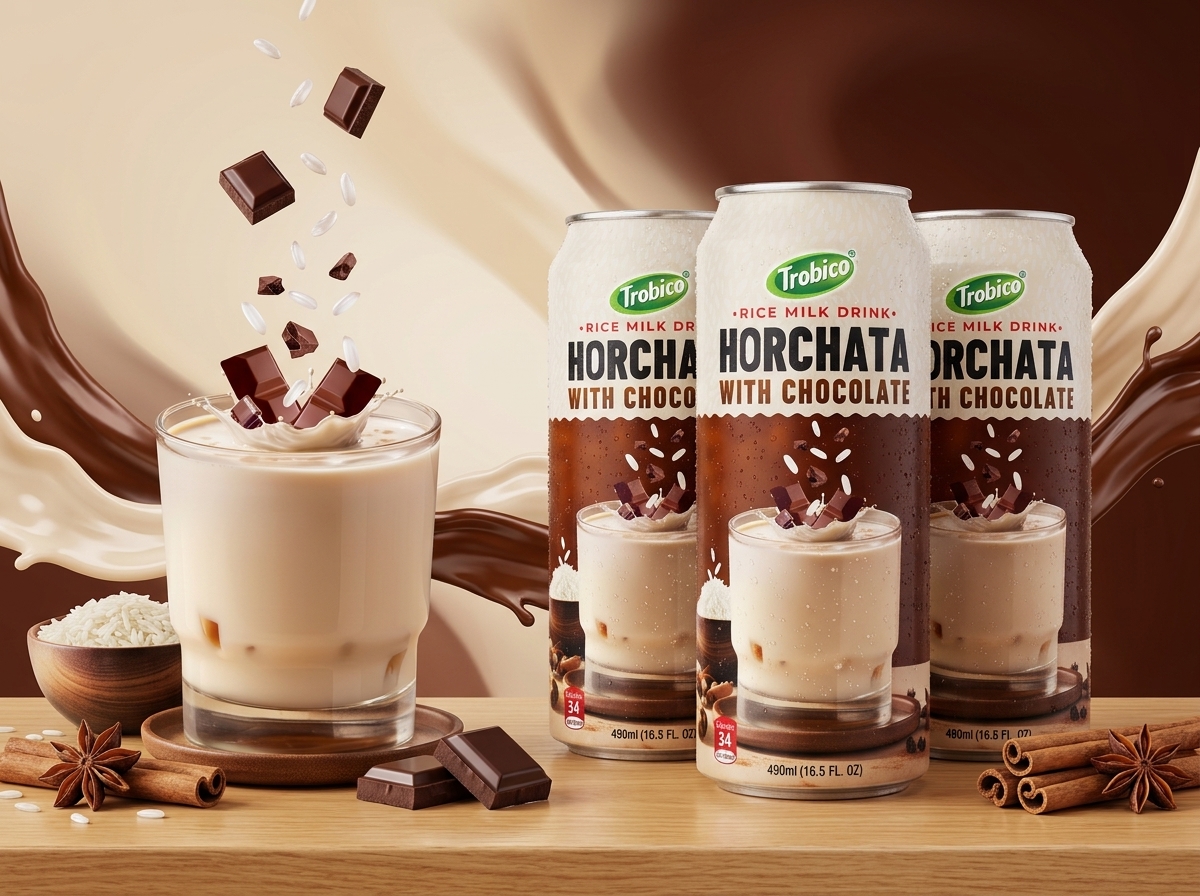
The global beverage landscape is undergoing a profound transformation, driven by shifting consumer preferences and a growing demand for diverse, plant-based options. For importers, distributors, and F&B businesses, this evolution presents significant opportunities, particularly in the cross-border trade of innovative products. One segment demonstrating remarkable growth and export potential is the plant-based milk category, where products like the Trobico Rice Milk Drink Horchata With Vanilla serve as prime examples of how traditional flavors can be adapted for modern, international markets.
Key Takeaways
- The global plant-based milk market is expanding rapidly, creating lucrative export opportunities for brands with unique flavor profiles and scalable production.
- Successful international beverage distribution hinges on understanding regional regulatory landscapes, packaging preferences, and supply chain logistics.
- Products that blend familiar formats (like canned RTD beverages) with authentic, ethnic-inspired tastes (like horchata) are well-positioned for B2B and HORECA channels.
- Brands under established manufacturers, such as Trobico from RITA, benefit from existing production expertise and quality control systems crucial for export compliance.
- Strategic market entry focuses on aligning product attributes—such as shelf-stable packaging and consistent flavor—with the operational needs of importers and distributors.
The Global Surge in Plant-Based Beverages and Export Viability
International trade in non-dairy milks is no longer a niche endeavor. It is a mainstream channel fueling the growth of the beverage sector. Markets across North America, Europe, and Asia-Pacific are experiencing increased demand, driven not only by lifestyle choices but also by a curiosity for global flavors.
This creates a fertile ground for exporters who can offer distinctive products. A beverage like the Trobico Rice Milk Drink, which presents the traditional Spanish horchata flavor in a convenient, canned format, exemplifies a product with cross-cultural appeal. Its vanilla note adds a layer of familiarity that can ease its introduction into new markets.
Navigating Logistics and Compliance for Beverage Export
For B2B players, the appeal of a product extends beyond its label. It encompasses the entire export proposition. Shelf-stable formats, such as the 16.5 Fl Oz cans used for this rice milk drink, are highly valued. They reduce refrigeration costs, minimize spoilage risk, and simplify long-distance shipping and warehousing.
Compliance with international food safety standards, like those of the FDA, is non-negotiable. Brands operating under the umbrella of experienced manufacturers like RITA often have robust production lines and quality assurance protocols already in place. This institutional knowledge is a critical asset for importers seeking reliable, compliant supply partners.
It mitigates risk and ensures a consistent product flow, which is the bedrock of any successful distribution agreement. You can explore the specifications of such a production-standard product here.
Strategic Distribution: From Wholesale to HORECA
The journey of an exported beverage from port to palate involves multiple channels. A multi-pronged distribution strategy is essential for maximizing market penetration.
- Wholesale and Cash & Carry: Large-format packaging and competitive unit pricing are key for this volume-driven channel.
- Specialty and Ethnic Retail: Stores catering to specific demographics are ideal launchpads for authentic flavors like horchata.
- Modern Trade and Supermarkets: Placement in the international foods or health-conscious aisles can attract a broad consumer base.
- E-commerce and B2B Platforms: Digital marketplaces are increasingly important for connecting international suppliers with local distributors.
The HORECA Channel: A Premium Avenue for Growth
The Hotel, Restaurant, and Cafe sector represents a high-value channel for unique beverages. Chefs and beverage managers are constantly seeking novel ingredients to differentiate their menus.
A plant-based milk drink with a distinctive flavor profile like horchata and vanilla offers versatility. It can be served as a standalone non-dairy option, used as a base for specialty coffees and smoothies, or incorporated into dessert recipes. The single-serve, canned format ensures portion control, freshness, and operational efficiency in busy foodservice environments.
For an exporter, tailoring offerings—such as providing sample packs or point-of-sale materials—can significantly enhance appeal to this discerning channel. The Trobico Rice Milk Drink format is particularly suited for such applications.
Market Entry Considerations and Building a Sustainable Export Model
Identifying the right export opportunity requires careful analysis. Factors such as import tariffs, local competition, and consumer purchasing power must be evaluated. Emerging markets may offer high growth potential but require education and brand building.
Mature markets may have higher competition but also established demand and sophisticated distribution networks. A product's unique selling proposition must be clear. Is it authenticity, convenience, allergen-friendliness, or a combination?
For instance, a rice-based drink is naturally lactose-free and often appeals to consumers with dietary restrictions, a significant and growing consumer segment globally. Building a sustainable export business is about partnership. Reliable manufacturers, agile logistics providers, and knowledgeable in-market distributors form the triad of success.
It involves continuous dialogue, market feedback loops, and potentially adapting packaging or marketing collateral to resonate locally while maintaining global brand integrity.
Future Outlook: Innovation and Diversification in Exports
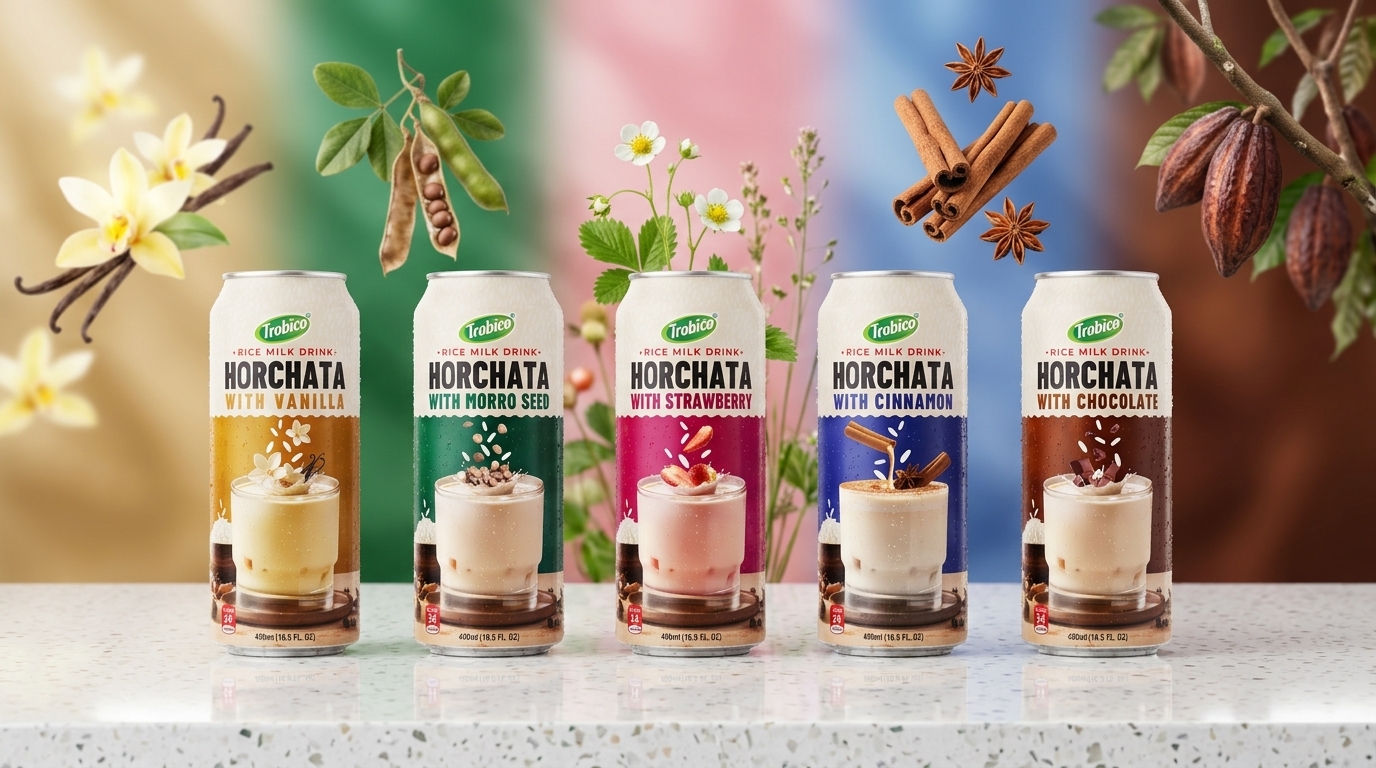
The future of beverage exports lies in continuous innovation and portfolio diversification. As consumer palates become more adventurous, the opportunity to introduce other traditional or fusion flavors in ready-to-drink formats expands.
Exporters and their manufacturing partners must stay ahead of trends in sustainable packaging, clean-label formulations, and production efficiency to remain competitive on the global stage. The ability to scale production without compromising on the sensory experience—the taste, aroma, and mouthfeel—is what will separate the market leaders from the followers.
For businesses looking to expand their imported beverage portfolios, aligning with brands that demonstrate this commitment to quality and market-aware innovation is paramount.



 No.08, Thong Nhat Boulevard,