The global beverage landscape is undergoing a significant transformation, driven by evolving consumer palates and a demand for novel, convenient experiences. Within this dynamic, the Ready-to-Drink (RTD) segment, particularly premium offerings like cocktail-flavored bubble tea, presents a compelling export opportunity for manufacturers and B2B partners. This analysis explores the international market dynamics, strategic considerations for exporters, and how innovative product formats are meeting sophisticated global demand.
Key Takeaways
- The global RTD tea market is expanding rapidly, with premium and experiential variants like cocktail-flavored bubble tea driving high-margin growth.
- Successful export strategies require deep understanding of regional taste preferences, regulatory compliance (like FDA standards), and agile supply chain logistics.
- Packaging innovation, such as sleek can designs, is critical for shelf appeal and aligning with modern retail and HORECA environments in international markets.
- Strategic partnerships with experienced importers and distributors are essential for navigating market entry barriers and building brand credibility overseas.
- Products that offer a unique fusion of familiar and novel elements, like tea-based drinks with cocktail-inspired flavor profiles, cater to the global consumer's desire for exploration and convenience.
The Global Thirst for Premium RTD Experiences
International markets are increasingly receptive to Asian-inspired beverage concepts. Bubble tea, once a niche offering, has achieved mainstream recognition worldwide. The evolution from a café-served specialty to a packaged, shelf-stable format has unlocked massive scalability. The RTD tea market is projected for sustained growth, with consumers seeking out premium iterations that deliver a sophisticated taste experience rivaling that of a specialty store.
This shift is not merely about convenience; it's about premiumization. Consumers are willing to pay a premium for products that offer complex flavor profiles, high-quality ingredients, and aesthetically pleasing packaging. The trend mirrors broader movements in food and beverage, where exploration and "discovery" are key purchase drivers.
Strategic Pillars for Successful Beverage Export
Entering a new international market requires a meticulously crafted strategy that goes beyond a great product. Key pillars include regulatory navigation, supply chain robustness, and cultural adaptation.
Compliance as a Foundation: Beyond FDA
For exporters targeting markets like the United States, Southeast Asia, or the Middle East, understanding and adhering to local food and beverage regulations is non-negotiable. This encompasses labeling requirements, ingredient approvals, and production facility certifications. A product's compliance is its passport to global trade. Manufacturers that prioritize these standards, such as those producing under brands like Trobico from the RITA corporation, build inherent trust with B2B partners by mitigating regulatory risk.
Adapting to Regional Palates and Preferences
A one-size-fits-all approach fails in the global beverage arena. Sweetness levels, flavor popularity, and even preferred packaging sizes vary dramatically by region. Successful exporters often develop market-specific variants or work with local distributors to fine-tune their core offering. The concept of a cocktail-flavored bubble tea, for instance, offers a versatile platform. The "cocktail" inspiration implies a mature, complex flavor profile that can be adapted—think a mojito-inspired lime and mint for European markets versus a tropical passionfruit and rum flavor hint for coastal regions.
Packaging: The Silent Salesman in Global Retail
In a crowded retail environment, packaging does more than protect the product; it communicates brand value and drives impulse purchases. For export, packaging must also be durable for long-distance shipping and efficient for palletization.
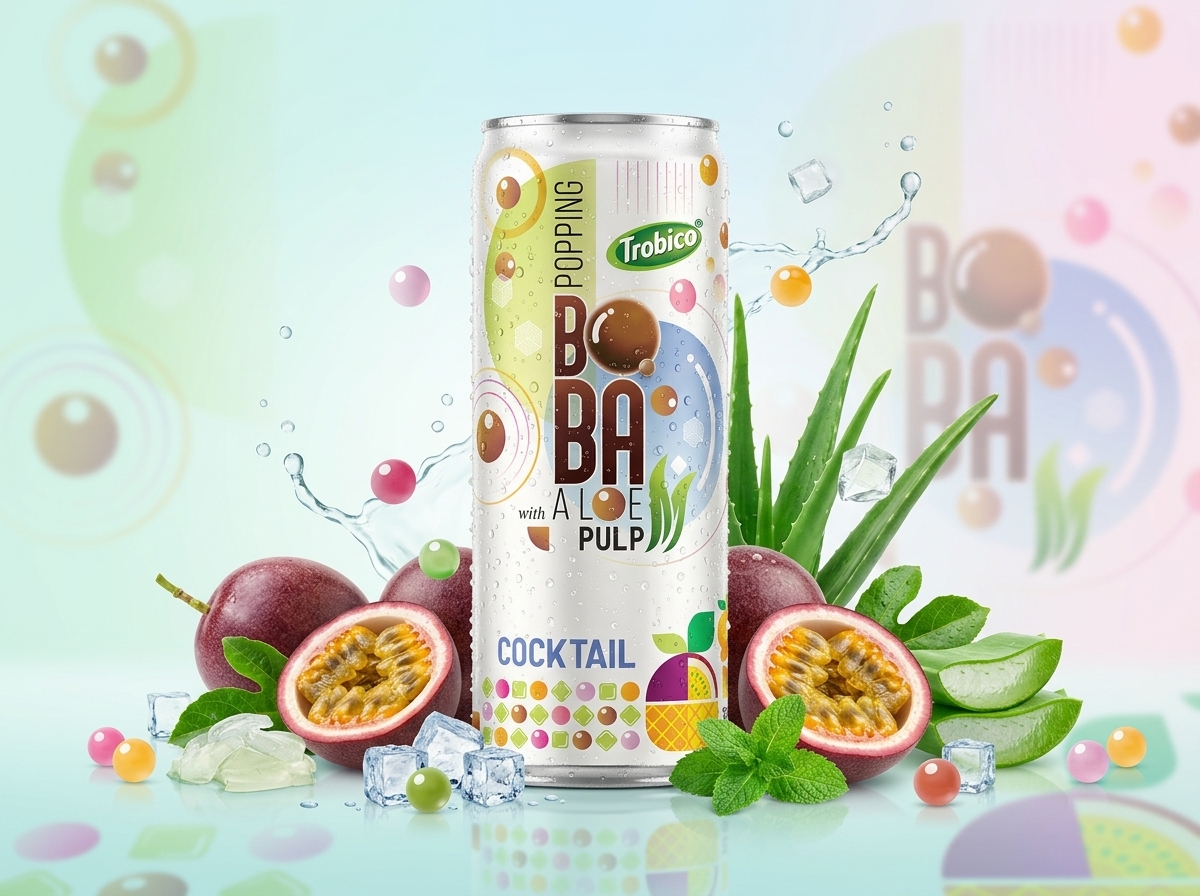
The rise of the 320ml sleek can format is a direct response to these needs. It offers a modern, premium feel that resonates with younger, design-conscious consumers globally. This format is particularly effective for the cocktail-flavored bubble tea category, as it aligns with the premium imagery of craft cocktails and canned craft beers. Its portability and single-serve nature make it ideal for diverse channels, from convenience stores to hotel minibars.
Exploring innovative formats available from producers can provide a competitive edge. For example, examining a specific production line for a 320ml sleek can product reveals insights into scalability and quality consistency, crucial factors for export-volume orders.
Building B2B Networks: The Role of Importers and Distributors
Forging strong relationships with in-market experts is perhaps the most critical success factor. Local importers and distributors provide invaluable services:
- Market Intelligence: They possess real-time knowledge of competitive dynamics, pricing strategies, and retailer requirements.
- Logistics Mastery: They handle complex import documentation, warehousing, and last-mile distribution.
- Sales Force Extension: Their established relationships with retail buyers and HORECA clients can accelerate shelf placement.
When evaluating manufacturing partners, B2B buyers should assess not just the product, but the producer's experience in supporting international clients, flexibility in order volumes, and commitment to consistent quality—hallmarks of established groups like RITA with their portfolio including Trobico.
The HORECA Channel: A Premium Launchpad
For premium RTD products, the Hotel/Restaurant/Cafe (HORECA) channel serves as a powerful brand-building platform before mass retail. High-end cafes can feature premium canned bubble tea as a curated, cold option. Hotels can stock them in minibars as a local or exotic specialty. Restaurants can offer them as a non-alcoholic, sophisticated beverage pairing.
This channel values uniqueness and premium presentation. A product that combines the novelty of bubble tea with the sophistication of cocktail flavors, delivered in a sleek can, fits perfectly into this ecosystem. It offers operators a high-margin, low-preparation item that enhances their beverage menu's modernity.
Future Outlook: Sustainability and Innovation
The next frontier in beverage export incorporates sustainability. International buyers and end-consumers are increasingly considering the environmental footprint of packaging and sourcing. Exporters who invest in recyclable materials, lightweighting, and sustainable sourcing will secure a long-term advantage.
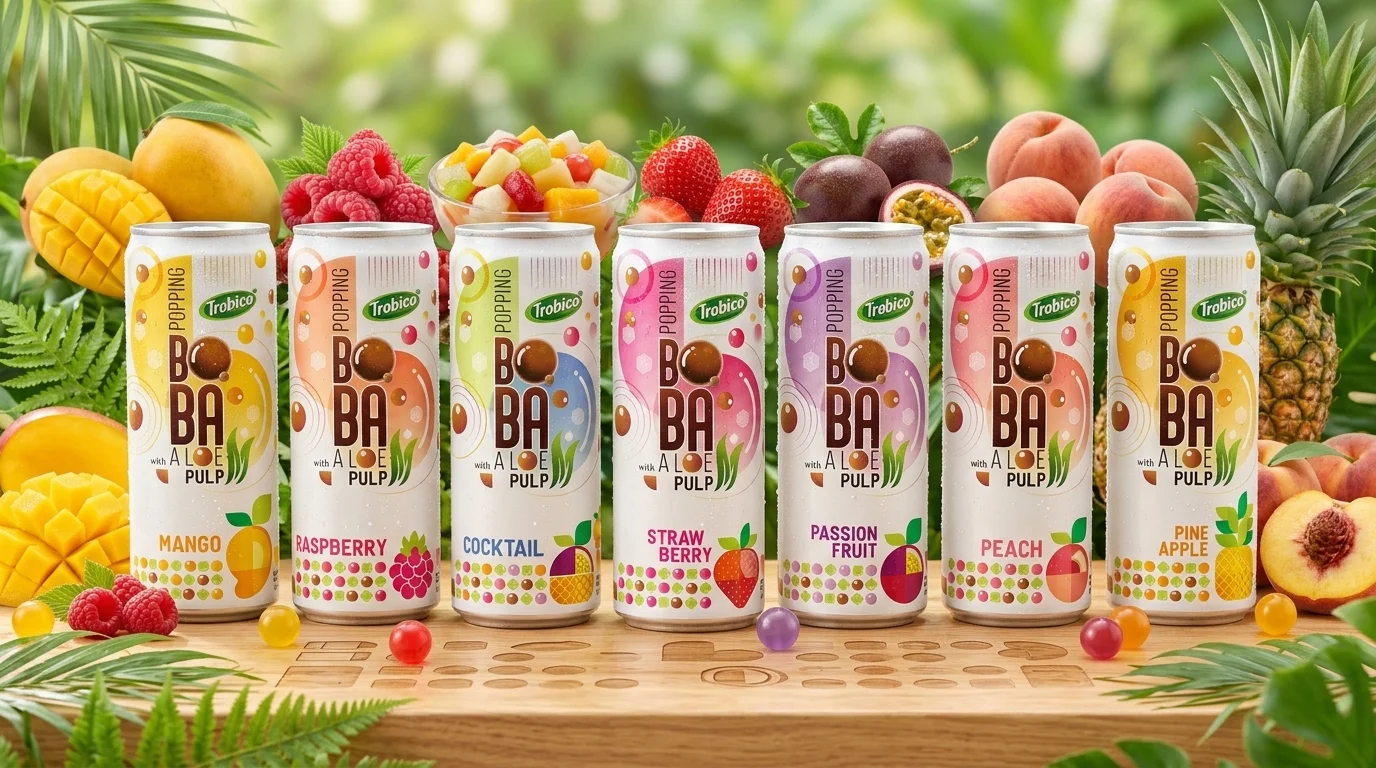
Furthermore, innovation in flavor and functional ingredients (within compliant, non-health claim boundaries) will continue to propel the category. The fusion of global flavor trends into accessible RTD formats ensures the segment's vitality. As a case study, the development of products that blend tea traditions with contemporary global flavor inspirations demonstrates how manufacturers are catering to a borderless consumer mindset. The technical capabilities behind such products, visible in advanced beverage production lines, are what enable this consistent, export-quality innovation.
Frequently Asked Questions
What are the key documentation requirements for exporting RTD beverages like bubble tea?
Key documents typically include a commercial invoice, packing list, certificate of origin, bill of lading/airway bill, and most importantly, health certificates and lab analysis reports proving the product meets the destination country's food safety standards (e.g., FDA compliance for the USA). It is crucial to work with a freight forwarder and local importer to ensure all documents are precise.
How do I identify reliable importers or distributors in a target export market?
Research is essential. Attend international food and beverage trade shows (like ANUGA, SIAL). Utilize B2B trade platforms and chambers of commerce. Look for distributors with a proven portfolio in non-alcoholic beverages or specialty drinks. Conduct due diligence by requesting references and verifying their license and warehouse facilities.
Why is the 320ml can size considered strategic for export markets?
The 320ml size strikes an optimal balance between perceived value and consumption occasion. It is substantial enough to feel like a complete beverage, yet not so large as to discourage trial or single-serve purchase. It is also highly efficient for shipping and shelf space, and aligns with popular can sizes in many Western and Asian markets, facilitating easier integration into existing retail sets.
How can a manufacturer ensure flavor consistency for large-scale export orders?
Consistency is achieved through automated, precision-controlled production lines, standardized sourcing of raw materials (like tea extracts and flavors), and rigorous quality control (QC) protocols at multiple stages: ingredient intake, batching, filling, and finished product. Reputable manufacturers invest heavily in QC laboratories and statistical process control to guarantee every batch meets specification, which is critical for maintaining brand integrity overseas.
What are the main challenges in marketing a "cocktail-flavored" beverage without making health or functional claims?
The focus must remain squarely on sensory experience and occasion. Marketing should describe flavor profiles (e.g., "inspired by classic citrus cocktail notes"), aroma, and mouthfeel. It can position the product for specific occasions like social gatherings, relaxation, or as a sophisticated alternative. The emphasis is on the craft of flavor blending and the enjoyment of the experience, strictly avoiding any implication of physiological effect.



 No.08, Thong Nhat Boulevard,