Export Opportunities: Navigating International Markets for Ready-to-Drink Bubble Tea
The global beverage landscape is undergoing a significant transformation, driven by evolving consumer palates and a demand for novel, convenient experiences. Within this dynamic, the Ready-to-Drink (RTD) tea segment has emerged as a powerhouse, and a particular sub-category is capturing international attention: canned bubble tea. For importers, distributors, and F&B businesses, understanding the export potential of this product is key to unlocking new revenue streams. This analysis delves into the market drivers, logistical considerations, and strategic approaches for successfully navigating the international trade of premium RTD bubble tea, using innovative offerings like the 320ml Sleek Can Raspberry Flavored Bubble Tea as a prime example of a market-ready product.
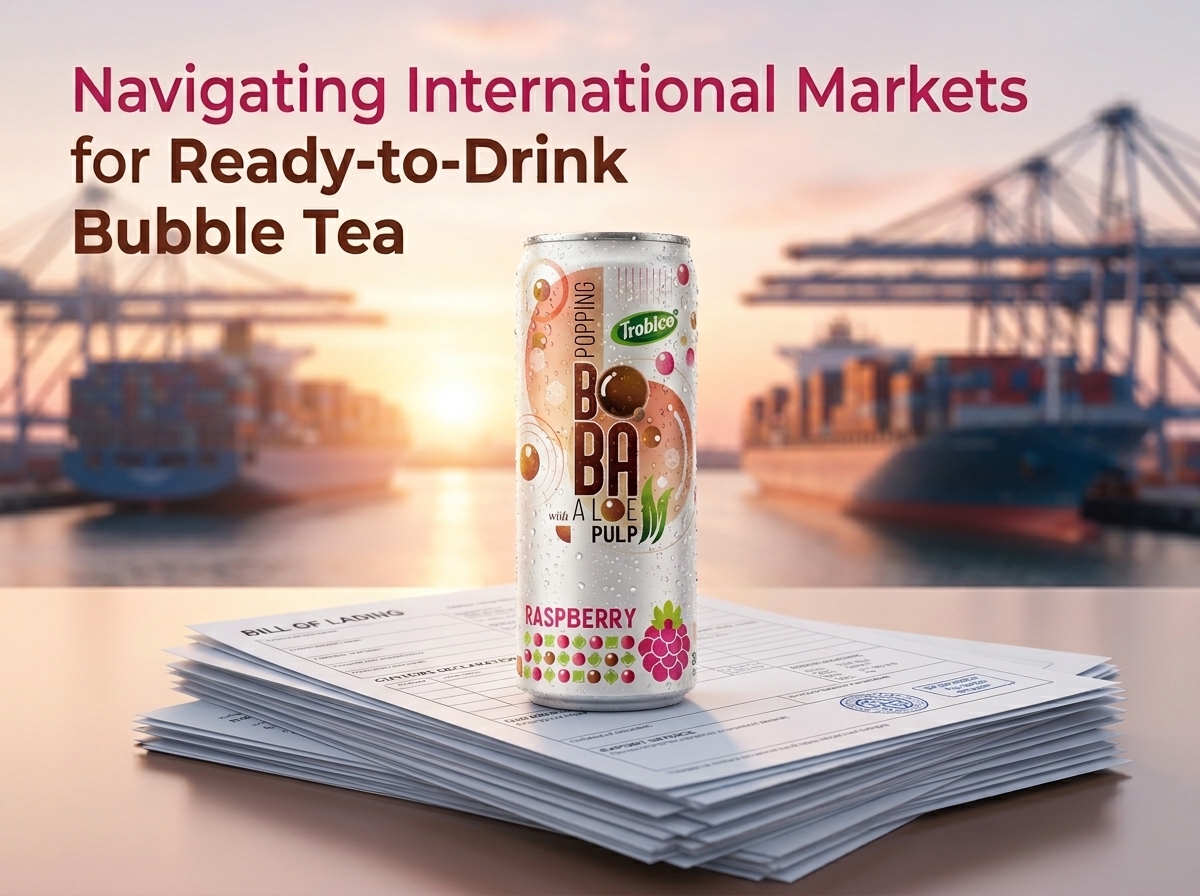
Key Takeaways
- The global Ready-to-Drink Bubble Tea market is experiencing robust growth, fueled by the internationalization of Asian food trends and demand for convenient, experiential beverages.
- Successful export strategies hinge on understanding regional regulatory compliance (like FDA standards), packaging innovation for shelf stability, and navigating complex supply chains.
- Products that offer a complete sensory experience, such as those combining fruit flavors with tapioca pearls in shelf-stable formats, present a compelling value proposition for international distributors.
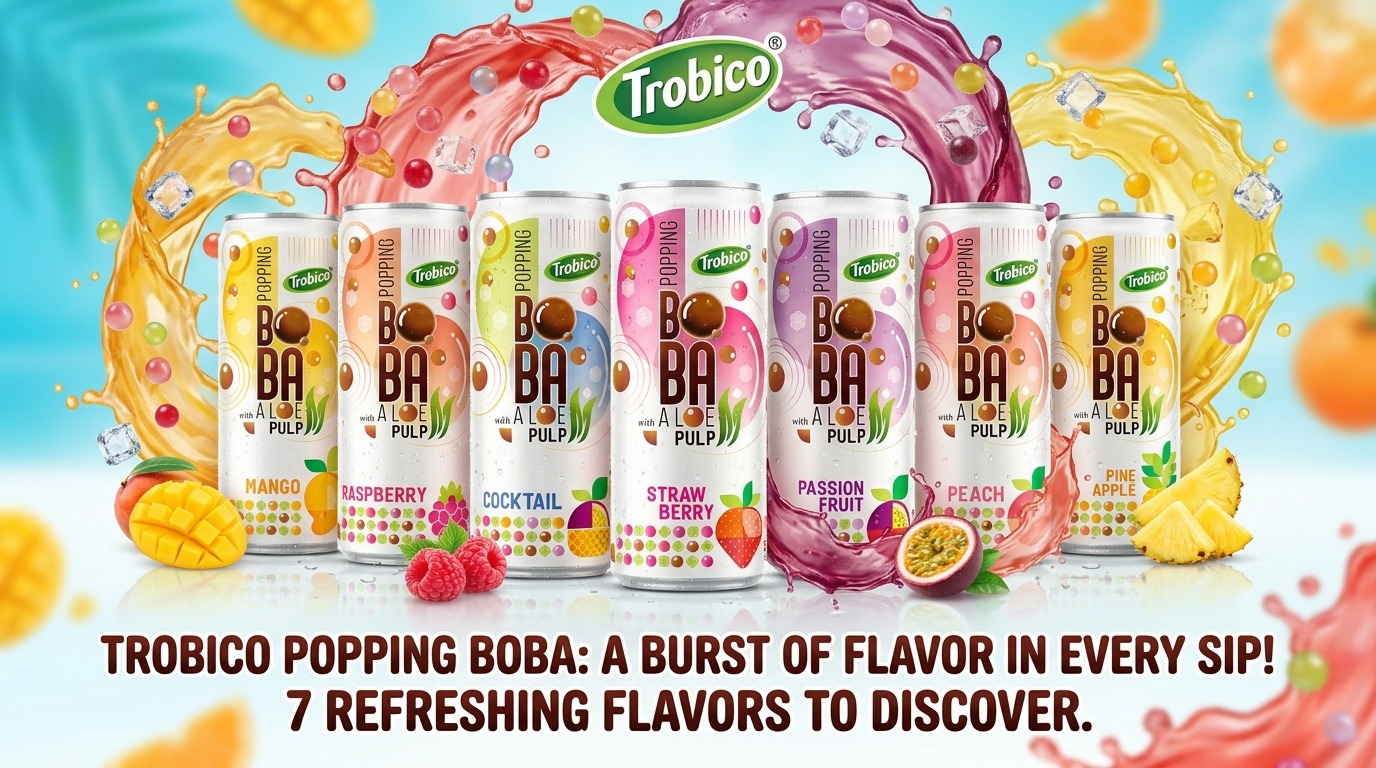
- Building a strong B2B network requires partnering with manufacturers who have robust production lines and a proven track record in export, like those behind brands such as Trobico from the RITA portfolio.
- Digital marketing and targeted trade shows are essential channels for connecting with overseas buyers and showcasing product differentiation in a crowded market.
The Global Surge of RTD Bubble Tea: More Than a Trend
The bubble tea phenomenon, originating in Taiwan, has transcended its niche status to become a global mainstream beverage. Initially confined to specialty cafes, its migration into the RTD format has been a game-changer for scalability and distribution. Market research consistently points to double-digit growth projections for the RTD tea category, with flavored and functional varieties leading the charge.
For exporters, this represents a tangible opportunity. The product is no longer just for diaspora communities in major cities; it is appealing to a broad, cosmopolitan consumer base seeking authentic and Instagram-worthy food experiences. The challenge and opportunity lie in translating the fresh, made-to-order cafe experience into a packaged good that retains its core appeal.
Packaging as a Critical Export Enabler
A key factor in this translation is packaging. The traditional cup-and-seal method is not viable for long-distance export. Innovations in canning technology have paved the way. Sleek, modern cans offer superior barrier properties, protecting flavor and texture during transit and extending shelf life significantly.
They also provide a premium, brandable canvas that stands out on retail shelves. Consider the practical advantages of a 320ml sleek can format. It is robust for shipping, efficiently palletized, and meets the portion-size expectations of many international markets. This logistical efficiency directly impacts the landed cost and profitability for an importer.
Navigating the Complexities of International Beverage Trade
Exporting food and beverage products is a multifaceted endeavor. It goes beyond simply finding a buyer. Successful market entry requires a meticulous approach to several core areas.
Regulatory Compliance and Labeling: This is non-negotiable. Every target market has its own food safety authority (e.g., FDA in the U.S., EFSA in Europe, FSANZ in Australia). Export-ready products must have labels that comply with local regulations regarding ingredient listing, nutritional information, allergen declarations, and language requirements. A manufacturer's experience with exports is invaluable here.
Supply Chain and Logistics: Maintaining product integrity from factory to foreign shelf is paramount. This involves controlled temperature shipping where necessary, efficient customs clearance processes, and reliable freight forwarders. Products with inherently stable formulations, where the texture and flavor of components like tapioca pearls are preserved through advanced production techniques, offer a distinct advantage.
The Role of Established Manufacturing Partners
For a distributor looking to source products, the credibility and capability of the manufacturer are paramount. Partnering with a producer like RITA, which operates brands such as Trobico, mitigates risk. These manufacturers typically possess:
- Certified Production Lines: Facilities often have international certifications (ISO, HACCP, FDA registration for export to the USA), ensuring standardized quality and safety protocols.
- R&D Expertise: The ability to develop flavors that cater to international palates, like the tart and sweet profile of raspberry, which has broad global appeal.
- Scalability: The capacity to fulfill large B2B orders consistently, which is crucial for supplying regional distributors or retail chains.
A product developed on such a platform is designed with export in mind from the outset. For instance, a beverage that integrates real fruit flavors and tapioca pearls into a stable canned format demonstrates a high level of production sophistication, making it a safer bet for international trade. You can explore such a product's specifications as a case study here.
Market Entry Strategies for Distributors and Importers
Identifying the right product is only the first step. A strategic market entry plan is essential for commercial success.
Channel Selection: Will the product launch in Asian specialty supermarkets, mainstream grocery chains, convenience stores, or through the HORECA (Hotels, Restaurants, Cafes) channel? Each requires a different approach. A sleek, single-serve can is versatile, suitable for grab-and-go coolers in convenience stores as well as being a unique offering for cafe menus or hotel minibars.
Pricing and Positioning: Imported RTD bubble tea is typically positioned as a premium product compared to local soft drinks. The pricing must reflect the import costs, perceived value of the "experience," and competitive landscape. Effective storytelling around the brand's heritage, flavor authenticity, and packaging innovation justifies the price point.
Marketing and Promotion: In the B2B context, this means creating compelling sell sheets, obtaining samples for buyers, and participating in international food and beverage trade fairs. Digital presence is also critical; a manufacturer with a professional website and clear product information, like JuiceVN's detailed listings, facilitates the buyer's research and decision-making process.
The Future Outlook: Sustainability and Innovation
The long-term viability of any exported product now intertwines with sustainability. International buyers and end-consumers are increasingly considering the environmental footprint. Manufacturers investing in sustainable practices, whether through packaging materials, energy-efficient production, or responsible sourcing, will have a competitive edge in the global marketplace.
Furthermore, innovation will continue to drive the category. Expect to see more exotic flavor fusions, exploration of different pearl textures or alternative "popping" ingredients, and packaging that further enhances convenience without compromising the experience. The ability of a supply partner to innovate will determine their longevity in the export game.
In conclusion, the export market for RTD bubble tea is ripe with opportunity but demands a strategic, informed approach. Success hinges on selecting the right product from a capable manufacturer, understanding the regulatory and logistical landscape, and executing a targeted market entry strategy. For businesses looking to capitalize on this trend, products that exemplify export-ready characteristics—such as robust packaging, stable formulation, and authentic flavor profiles—offer a solid foundation for building a profitable international portfolio.
Frequently Asked Questions
What are the key documents required for importing RTD bubble tea?
Essential documents typically include a commercial invoice, packing list, bill of lading/airway bill, certificate of origin, and most importantly, a health certificate or certificate of free sale from the manufacturer, along with lab analysis reports confirming the product meets the destination country's food safety standards.
How is the shelf life of canned bubble tea with pearls ensured during export?
Manufacturers use specialized aseptic canning processes and ingredient stabilization technologies. The pearls are often processed using techniques that maintain their texture without refrigeration. The hermetic seal of the can prevents microbial contamination, ensuring the stated shelf life (often 12 months or more) is maintained throughout the supply chain.
What is the minimum order quantity (MOQ) typically for exporting such beverages?
MOQs vary significantly by manufacturer and can range from a single 20-foot container (approximately 1,500-2,000 cases) to full container load (FCL) orders. Some established producers with strong production lines may offer more flexible terms for initial B2B partnerships to facilitate market testing.
Can the product be shipped without refrigeration?
Yes, a properly formulated and canned RTD bubble tea like the 320ml sleek can variants are designed to be shelf-stable. They do not require refrigerated shipping (reefer containers), which drastically reduces logistics costs. They should be stored in a cool, dry place until opened.
How do I handle customs duties and taxes for beverage imports?
Duties and taxes (like VAT/GST) are determined by the Harmonized System (HS) code for the product in the destination country. It is crucial to consult with a local customs broker or freight forwarder in the target market to get accurate estimates of these costs, which must be factored into the final landed cost and retail price.



 No.08, Thong Nhat Boulevard,