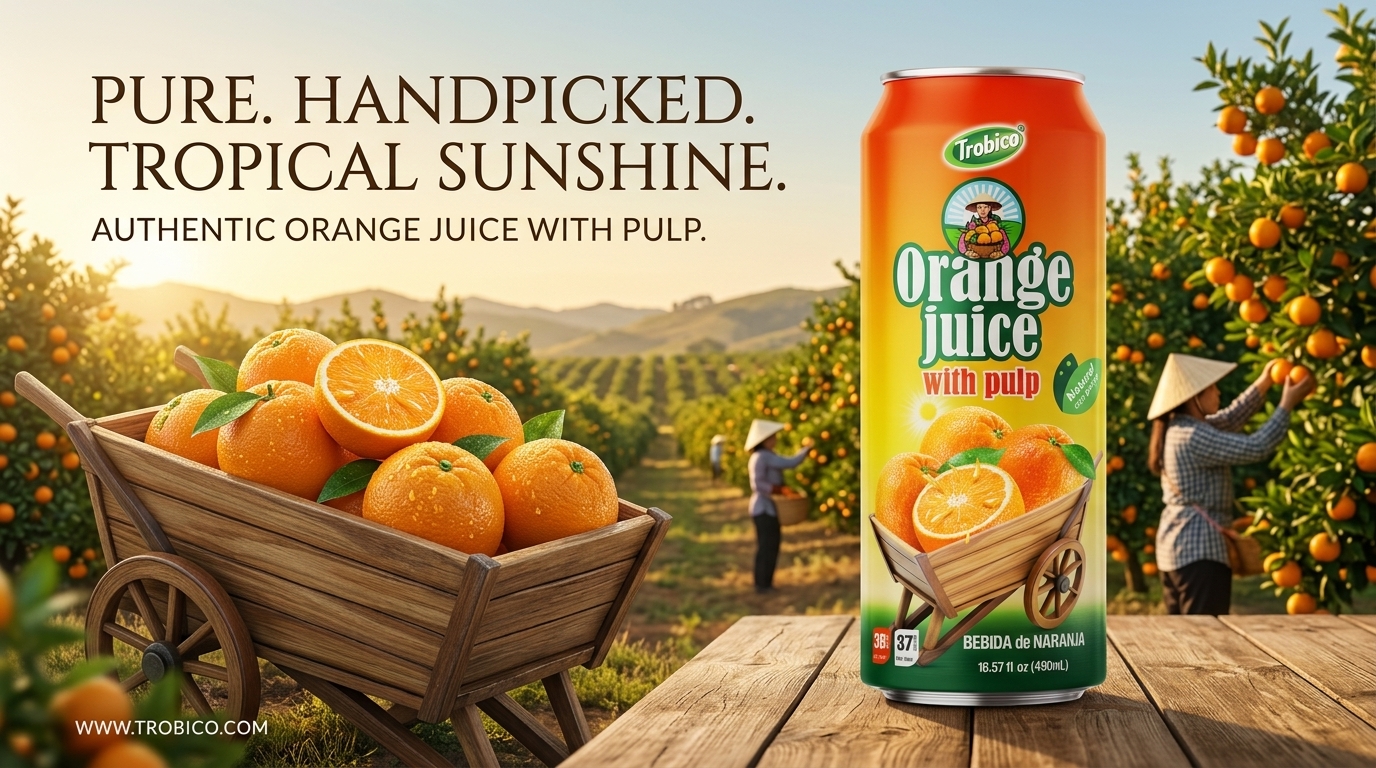
The global beverage industry is undergoing a significant transformation, driven by shifting consumer preferences, innovative packaging solutions, and evolving distribution models. For importers, distributors, and F&B businesses, understanding these macro-trends is crucial for capitalizing on emerging opportunities. A prime example of this market alignment can be seen in products like the New Design Trobico 16.57 Fl Oz Cans Orange Juice With Pulp, which reflects key industry shifts in format, presentation, and ingredient appeal.
Key Takeaways
- The global beverage market is increasingly driven by premium packaging formats like sleek cans, which enhance shelf appeal and logistical efficiency for distributors.
- Consumer demand for authentic sensory experiences, such as orange juice with pulp, represents a growing segment that moves beyond clear, filtered juices.
- Strategic portfolio diversification, as demonstrated by manufacturers like RITA with brands including Trobico, is essential for capturing different market tiers and consumer occasions.
- The 16.57 Fl Oz (490ml) can size is strategically positioned for both single-serve retail and the lucrative Hotel/Restaurant/Cafe (HoReCa) channel.
- Export opportunities are expanding for Asian beverage producers who can combine competitive production lines with globally appealing packaging and product specs.
The Rise of Premium Packaging in Beverage Distribution
Packaging is no longer just a container; it's a critical marketing tool and a key factor in supply chain optimization. The shift from traditional cartons and bottles to aluminum cans is a dominant trend. For B2B buyers, cans offer distinct advantages.
They are lighter, more stackable, and less prone to damage during long-distance shipping. This translates directly to lower freight costs and reduced spoilage rates. The new design applied to products signifies a focus on modern aesthetics that resonate with global retail environments.
From a brand perspective, a can format allows for 360-degree branding and a more contemporary, often premium, perception. This is vital for importers looking to position products in competitive markets where shelf standout is paramount. The specific 16.57 Fl Oz size is particularly interesting.
It bridges the gap between a standard single-serve and a sharing size. This versatility makes it suitable for convenience stores, supermarkets, and foodservice venues where portion control and value are balanced.
Consumer Insights: The Sensory Demand for Texture and Authenticity
Analyzing consumer behavior reveals a move towards beverages that offer a more complex and authentic sensory profile. The inclusion of pulp in fruit juices is a clear response to this trend. While clear juices remain popular, a significant segment of consumers associates pulp with higher fruit content, naturalness, and a richer mouthfeel.
This is not a claim about health benefits, but an observation of the experiential quality that drives purchasing decisions. For an orange juice with pulp, the texture becomes a key differentiator. It caters to consumers seeking a more immersive taste experience, reminiscent of freshly squeezed juice.
For distributors and F&B businesses, stocking products that cater to this textured beverage trend means addressing a diversified demand. A restaurant might offer both clear and pulpy orange juice options, appealing to different customer preferences at the breakfast table or as a mixer.
This granular understanding of consumer preference allows for more targeted and effective product assortments.
Portfolio Strategy: The Power of Brand Architecture Like RITA's
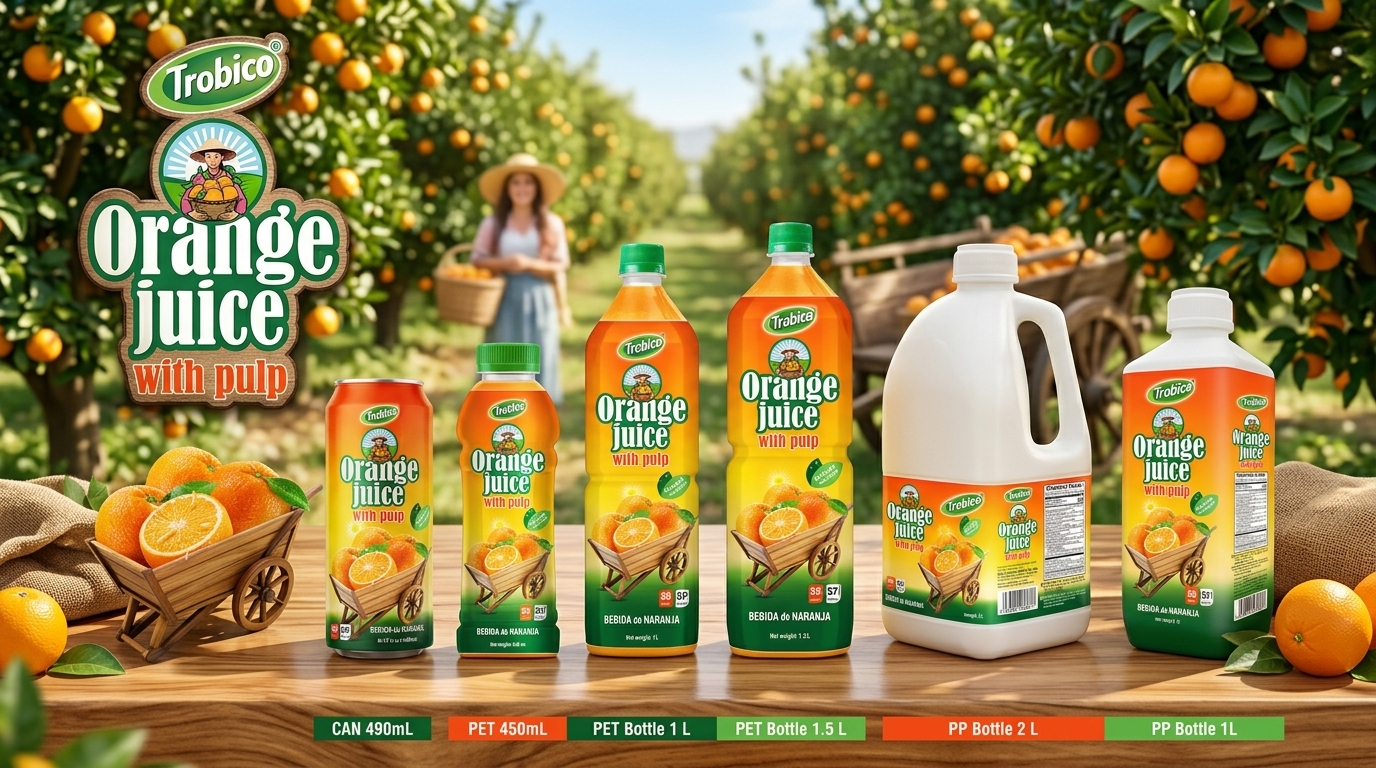
The strategic structure of a manufacturer's brand portfolio offers critical insights for B2B partners. Take the case of RITA, which operates the flagship RITA brand alongside the Trobico brand. This multi-brand strategy is a sophisticated approach to market coverage.
It allows a manufacturer to target different price points, consumer segments, and usage occasions without cannibalizing its core brand. For an importer or wholesaler, partnering with such a manufacturer provides a more comprehensive range to offer clients.
It mitigates risk by not relying on a single brand label. The New Design Trobico can exemplifies how a secondary brand can be leveraged to launch innovative formats and designs, potentially testing new markets or appealing to a slightly different demographic than the parent brand.
This agility is a valuable asset in the fast-moving consumer goods landscape.
HoReCa Channel: Sizing and Format for Foodservice Success
The Hotel, Restaurant, and Cafe sector represents a high-volume, high-margin channel for beverage distributors. Success here depends on meeting specific operational needs. The 490ml can is an ideal format for this channel for several reasons.
- Portion Control: It provides a consistent, pre-measured serving, eliminating waste and simplifying inventory management for kitchen staff.
- Perceived Value: A single, sleek can often carries a higher perceived value than a glass from a fountain or a large bottle, supporting better menu pricing.
- Convenience and Hygiene: Cans are easy to store, chill, and serve. They are sealed until opening, ensuring hygiene and product integrity.
- Mixology Potential: In bars and cafes, a premium canned juice like a pulpy orange variant can be used as a high-quality mixer for cocktails and non-alcoholic beverages, adding a touch of sophistication.
For distributors, emphasizing these practical benefits when pitching to foodservice clients can be far more effective than generic product features.
Export Dynamics and Sourcing from Competitive Production Hubs
The global juice trade is increasingly looking towards Asian manufacturing hubs for competitive advantages in cost, quality, and innovation. A product's origin from a facility with advanced production lines indicates a capacity for scale, consistency, and adherence to international food safety standards.
For international importers, the calculus involves total landed cost, reliability of supply, and product specifications that match local market trends. The combination of a globally popular flavor like orange, a trending attribute like pulp, and a modern can format creates a highly export-friendly product profile.
It reduces the need for market-specific customization, allowing for efficient pan-regional distribution. The mention of production lines in the product context signals to B2B buyers that the manufacturer is equipped for large-volume orders and private label opportunities, a key consideration for major distributors and retail chains looking to diversify their sourcing.
Future-Proofing Your Beverage Portfolio
For businesses in the import and distribution space, staying ahead requires a forward-looking portfolio strategy. This involves identifying products that align with multiple converging trends. Consider the following checklist when evaluating new SKUs:
- Does the packaging format offer logistical and merchandising advantages?
- Does the product specification (e.g., with pulp) tap into a discernible sensory trend?
- Is the brand architecture stable and does it offer strategic depth?
- Is the size and format versatile across retail and foodservice channels?
- Does the manufacturing origin provide a competitive edge in quality and scalability?
Products that score highly on these parameters, much like the referenced Trobico orange juice, represent lower-risk, higher-potential additions to a professional beverage portfolio. They are built for the modern market landscape.
Conclusion: Aligning Product with Market Currents
The beverage industry's trajectory is clear: towards greater sophistication in packaging, a deeper understanding of sensory preferences, and more efficient global supply chains. For B2B decision-makers, success lies in partnering with producers and selecting products that embody these currents.
The evolution of a product from a traditional format to a new design in a can is a microcosm of this larger shift. It represents a response to tangible commercial demands from distributors, retailers, and foodservice operators worldwide. By focusing on these business-centric drivers—shelf impact, supply chain efficiency, channel applicability, and export readiness—companies can navigate the complex beverage landscape and secure sustainable growth.



 No.08, Thong Nhat Boulevard,