The global beverage landscape is undergoing a significant transformation, driven by evolving consumer palates and the relentless pursuit of novel, convenient experiences. Within this dynamic environment, the bubble tea market has emerged from its niche origins to become a formidable force in the F&B sector. Characterized by its unique texture and diverse flavor profiles, bubble tea is no longer just a trendy drink but a substantial commercial category with expanding global reach. This growth presents lucrative opportunities for importers, distributors, and foodservice businesses ready to capitalize on its momentum. The key to success lies in understanding the underlying market drivers, adapting to modern distribution models, and identifying products that align with contemporary consumer demands for quality and convenience.
Key Takeaways
- The global bubble tea market is experiencing robust growth, fueled by premiumization, flavor innovation, and the demand for convenient, ready-to-drink (RTD) formats suitable for modern retail and foodservice channels.
- Successful distribution requires a multi-channel strategy that integrates traditional wholesale with modern e-commerce and direct-to-HORECA partnerships to maximize market penetration.
- Export opportunities are expanding beyond Asia, with significant potential in North America, Europe, and the Middle East, driven by diaspora communities and growing mainstream acceptance.
- Brands that offer consistent quality, authentic flavor experiences, and scalable packaging solutions, such as the 320ml aluminum can format, are well-positioned to meet the needs of B2B buyers and end consumers alike.
- Compliance with international food safety standards and local regulatory frameworks is a non-negotiable prerequisite for successful market entry and sustainable export business.
The Evolving Beverage Market: From Niche to Mainstream
The F&B industry's trajectory is increasingly defined by the crossover of ethnic and specialty beverages into the mainstream. Bubble tea, or boba, exemplifies this shift perfectly. What began in Taiwanese tea shops has become a global phenomenon, with market research projecting continued double-digit growth. This expansion is not merely quantitative; it reflects a deeper change in consumer behavior.
Modern consumers, especially younger demographics, seek more than just hydration. They desire an experience—a moment of indulgence, a shareable novelty, or a familiar comfort with a twist. The tactile experience of the tapioca pearls, combined with the endless possibilities for flavor customization, fulfills this desire. For businesses, this translates into a product with high perceived value and strong repeat purchase potential.
The market's maturity is also evident in its segmentation. Beyond the classic milk tea, we now see fruit-based varieties, dairy-free options, and sugar-level customization becoming standard expectations. This diversification opens multiple entry points for distributors to cater to different consumer segments within the same broad category.
Consumer Trends Driving Bubble Tea Demand
Several key consumer insights are shaping the current and future demand for bubble tea products. Understanding these is crucial for any business looking to stock or distribute in this category.
First is the demand for convenience without compromise. While bubble tea shops thrive, there is a massive parallel demand for ready-to-drink (RTD) versions that offer the core experience in a portable, shelf-stable format. This meets the needs of convenience stores, vending machines, and on-the-go consumption occasions that a physical store cannot address.
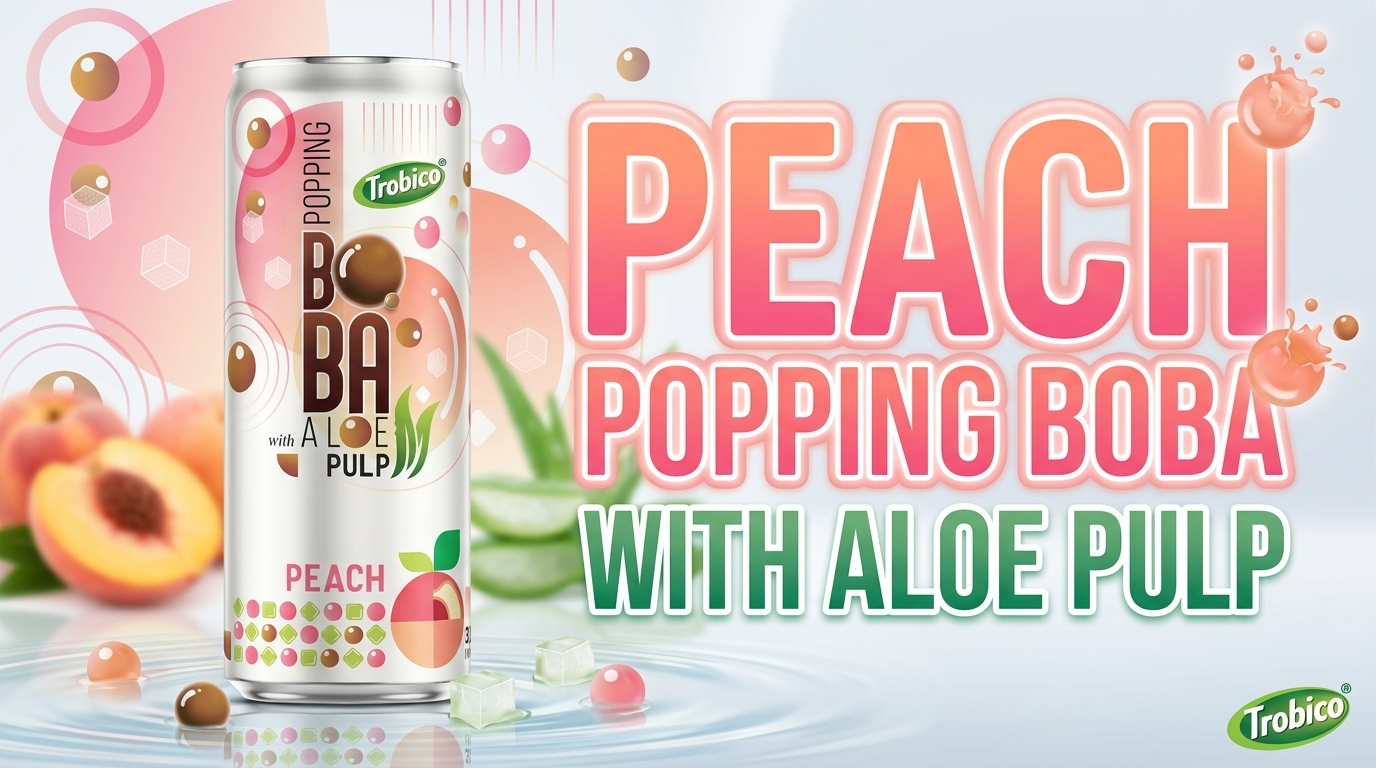
Second is the exploration of flavor. Consumers are adventurous, seeking familiar favorites alongside new, exciting combinations. Fruit flavors, particularly peach, mango, and lychee, have seen sustained popularity due to their refreshing and universally appealing profiles. A product like the Delicious Peach Flavored Bubble Tea in a can taps directly into this trend, offering a consistent and reliable flavor that requires no preparation.
Finally, packaging plays a critical role. Today's consumer is increasingly environmentally conscious and values packaging that is both functional and sustainable. The aluminum can is a preferred format for many RTD beverages due to its excellent recyclability, ability to preserve product freshness, and its premium, modern appearance that stands out on retail shelves.
Strategic Distribution and Wholesale Models for Market Penetration
For importers and wholesalers, the bubble tea category requires a strategic approach to distribution that differs from traditional soft drinks. Its success hinges on effective placement and partnership.
A multi-channel strategy is essential. This involves supplying not only to large supermarket chains but also to Asian grocery stores, which serve as authenticity anchors, and to modern convenience store networks. Furthermore, the HORECA channel (Hotels, Restaurants, Cafes) represents a significant opportunity. Cafes can offer canned bubble tea as a cold beverage option, while restaurants can include it in their drink menus as a unique, non-alcoholic offering.
Building a successful wholesale operation means providing more than just product. It involves educating retail partners on the product's appeal, suggesting optimal merchandising locations (often in chilled sections near other RTD teas or novelty beverages), and providing point-of-sale materials. For a product with visual appeal like a peach-flavored bubble tea in a sleek can, effective merchandising can dramatically increase impulse purchases.
E-commerce and B2B platforms have also become vital. They allow distributors to reach a wider network of small retailers, cafes, and even office suppliers efficiently. Offering mixed flavor pallets or customizable assortment packs can lower the entry barrier for smaller businesses wanting to test the category.
Export Dynamics and Navigating International Opportunities
The export potential for bubble tea products is substantial and growing. Key markets have evolved from having a strong Asian diaspora base to achieving broader mainstream acceptance.
North America and Europe remain primary targets. In these regions, the product benefits from prior market education done by the proliferation of bubble tea shop franchises. This has created a consumer base familiar with the product, ready to embrace reputable RTD versions. The challenge for exporters is ensuring consistency in taste and texture that matches consumer expectations set by fresh-made versions.
Compliance is the cornerstone of successful export. This goes beyond basic FDA or EU food safety regulations. It includes meticulous attention to labeling requirements, ingredient declarations, and adherence to permissible food additives in the target country. For instance, ensuring the product description and ingredients are accurately translated and meet local standards is a non-negotiable step. A manufacturer with robust production lines and a commitment to international standards, such as those behind the Trobico brand from RITA, provides a reliable foundation for export partners.
Strategic partnerships are key. Working with experienced local importers who understand the regulatory landscape, customs procedures, and domestic distribution networks can significantly reduce market entry risks. These partners can also provide invaluable insights into local flavor preferences and competitive pricing.
Product Innovation as a Market Solution
In a crowded market, product innovation is not just about new flavors; it's about solving logistical and commercial challenges for the B2B buyer. The evolution of packaging and formulation directly addresses these needs.
The shift from powder-based or syrup-concentrate formats to pre-mixed, ready-to-drink solutions in single-serve packaging represents a major innovation. It eliminates the need for specialized equipment or trained staff at the point of sale, making the product accessible to virtually any retail or foodservice outlet. This dramatically expands the potential distribution footprint.
The choice of a 320ml aluminum can is a strategic one. It offers a perfect single-serving size, is highly portable, and chills quickly. For businesses, cans are easier to ship and store than glass bottles, are less prone to damage, and have a longer shelf life, which improves inventory management. From a brand perspective, the can provides an excellent canvas for vibrant, attractive design that communicates the flavor and quality of the delicious peach bubble tea inside.
Furthermore, consistency in production is a critical form of innovation for distributors. Being able to rely on a product that tastes the same in every batch builds trust with retailers and, ultimately, with consumers. Advanced production lines ensure this consistency, making brands that invest in such technology preferred partners for serious B2B operations.
Frequently Asked Questions
What is driving the global growth of the ready-to-drink bubble tea market?
The growth is fueled by three main factors: the mainstreaming of Asian food and beverage trends, increasing consumer demand for novel and experiential drinks, and the rising need for convenient, high-quality formats that fit busy lifestyles. The availability of shelf-stable, single-serve options like canned bubble tea allows the category to move beyond specialty shops into mainstream retail channels.
What are the key considerations for a distributor looking to add bubble tea to their portfolio?
Distributors should evaluate the supplier's production compliance and quality consistency, the product's shelf life and packaging resilience for logistics, its alignment with local flavor preferences, and the marketing support provided. It's also crucial to assess the competitive landscape and identify a unique selling proposition, whether it's an authentic flavor profile, innovative packaging, or a competitive price point for the wholesale market.
How important is packaging format in the success of RTD bubble tea?
Extremely important. Packaging affects logistics, shelf appeal, consumer convenience, and sustainability perception. Aluminum cans are currently a leading format due to their superior ability to protect flavor, their high recyclability rate, and their strong brand presentation. The right format can reduce operational headaches for distributors and increase sell-through at retail.
What are the main regulatory hurdles when exporting bubble tea products?
The primary hurdles involve meeting the food safety and labeling standards of the destination country. This includes regulations on ingredient safety, allowable additives, nutritional labeling, and language requirements on the package. Working with a manufacturer that has experience in exports and can provide necessary documentation (like Certificates of Analysis and Free Sale Certificates) is vital to navigate these hurdles successfully.
Can canned bubble tea compete with fresh-made offerings from shops?
They serve different occasions and channels. While a bubble tea shop offers a customized, fresh experience, canned bubble tea wins on convenience, consistency, availability, and price point. It allows consumers to enjoy the beverage anywhere, anytime, and enables retailers without the infrastructure for fresh preparation to participate in the category. They are complementary segments within the same growing market.



 No.08, Thong Nhat Boulevard,