The global beverage landscape is undergoing a seismic shift, driven by evolving consumer preferences and a demand for diverse, accessible product formats. At the forefront of this transformation is the plant-based milk category, which has expanded far beyond soy and almond into a rich tapestry of grains, nuts, and seeds. This evolution presents significant opportunities and challenges for importers, distributors, and F&B businesses worldwide. Understanding the market dynamics, from production scalability to packaging innovation, is crucial for capitalizing on this sustained growth trend.
Key Takeaways
- The global plant-based milk market is driven by diversification, with rice-based drinks like horchata variants gaining traction in non-traditional markets.
- Ready-to-drink (RTD) formats in single-serve cans are revolutionizing distribution channels, offering convenience for retail, vending, and foodservice.
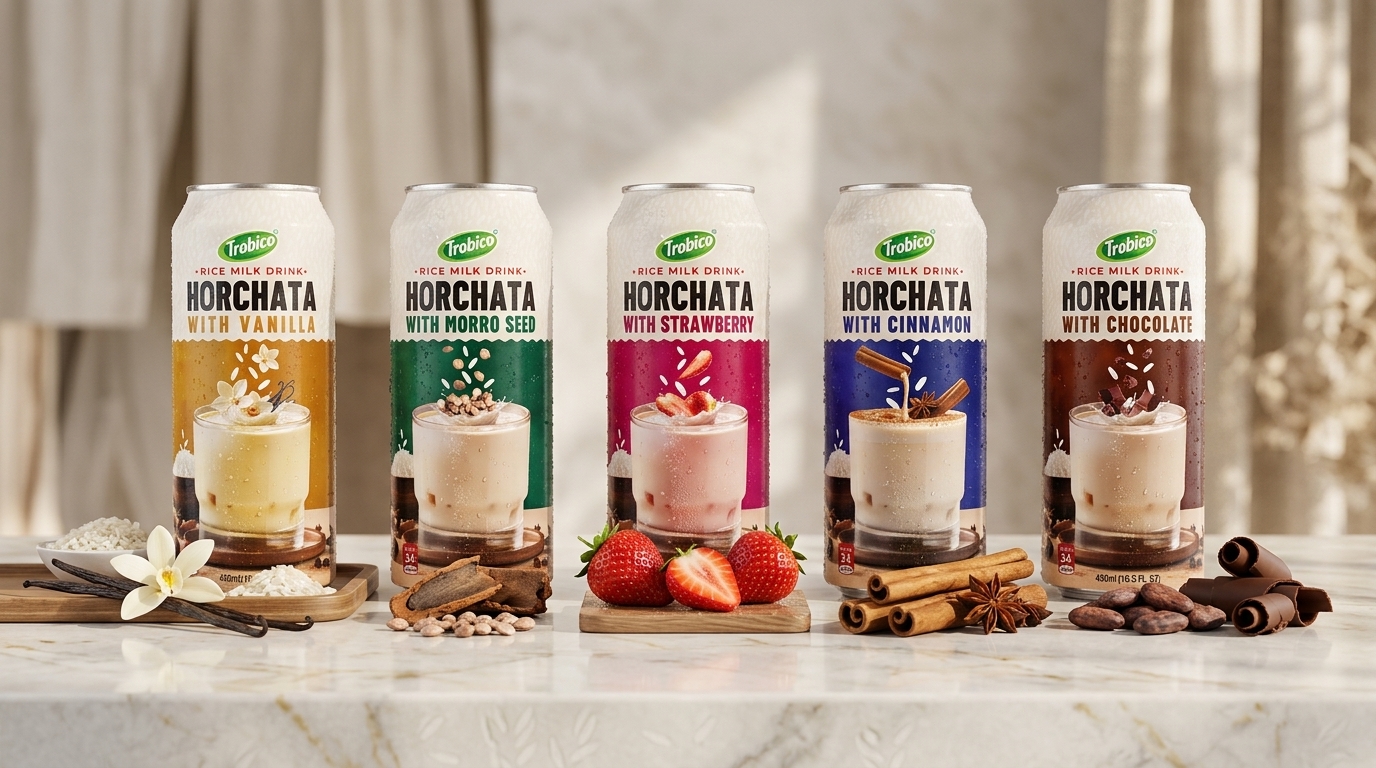
- Strategic brand portfolios, such as RITA's management of both RITA and Trobico lines, allow manufacturers to target diverse consumer segments and price points effectively.
- Export success hinges on aligning product attributes like flavor profiles and packaging with regional market trends and regulatory environments.
- Innovation in production lines is key to meeting the quality and consistency demands of international B2B buyers and large-scale distributors.
The Diversification of Plant-Based Beverages and Market Entry Points
Gone are the days when plant-based milk was a niche category. Today, it represents a mainstream segment with intense competition and innovation. While almond and oat milk dominate certain regions, other bases like rice are carving out significant market share, particularly in formats that offer unique flavor experiences.
Rice milk, known for its naturally mild and slightly sweet taste, serves as an excellent canvas for flavor innovation. This has led to the rise of products inspired by traditional beverages, such as horchata, finding new audiences in ready-to-drink formats. For importers, this diversification means a broader portfolio to offer retailers, reducing dependency on a single sub-category.
The success of these products often depends on their positioning. Are they a dairy alternative, a refreshing standalone drink, or a cocktail mixer? Each positioning opens different distribution doors, from health food stores to mainstream supermarkets and HORECA channels.
Packaging Innovation: The RTD Can as a Distribution Powerhouse
The shift towards convenience is perhaps the most powerful trend in modern food and beverage. The 16.5 Fl Oz can format exemplifies this shift, offering portability, shelf stability, and portion control. For distributors, this format translates to logistical efficiency, reduced breakage risk, and easier palletization compared to some carton or bottle alternatives.
From a retail perspective, canned beverages attract impulse purchases and fit seamlessly into chilled single-serve sections. In the foodservice sector, this format is ideal for grab-and-go counters, hotel minibars, and casual dining establishments. The can also aligns with sustainability trends, as aluminum is highly recyclable, a key consideration for many B2B clients and end consumers.
Products that leverage this format, such as the Trobico Rice Milk Drink in a can, demonstrate an understanding of these cross-channel applications. This makes them attractive for wholesalers looking to serve multiple customer types with a single SKU.
Strategic Brand Architecture in Beverage Manufacturing
Large manufacturers often employ multi-brand strategies to capture wider market segments. The case of RITA, producing under both the RITA and Trobico brands, is a textbook example. This strategy allows a company to differentiate product lines by target audience, price tier, flavor profile, or marketing message.
For a distributor, partnering with a manufacturer that has a robust brand portfolio offers stability and growth potential. It allows for upselling and cross-selling within a trusted supplier relationship. A brand like Trobico can be positioned as a specialist or innovative line, perhaps focusing on unique flavor fusions, while the main RITA brand might anchor the portfolio with more traditional offerings.
This strategic approach to production lines ensures that manufacturing expertise is maximized across different product types, leading to consistent quality and efficient scale—critical factors for B2B negotiations and long-term supply agreements.
Export Dynamics and Navigating International Opportunities
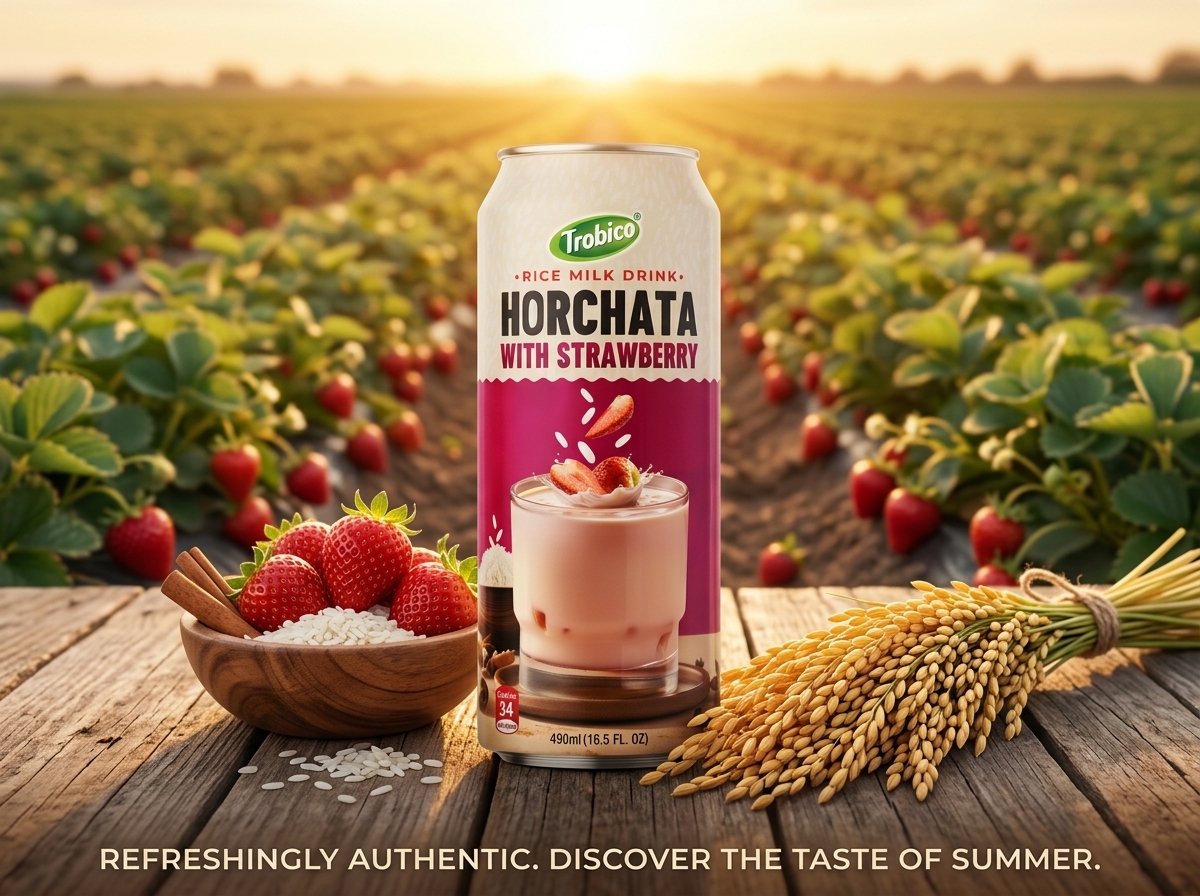
The global appetite for novel beverages creates lucrative export opportunities, especially for products originating from regions with strong culinary traditions. A rice-based horchata drink with strawberry, for instance, combines a familiar grain base with a universally popular fruit flavor, lowering the barrier to entry in new markets.
Successful export hinges on more than just a great product. It requires an understanding of labeling laws, ingredient regulations, and tariff structures in target countries. For example, claims about "health" are heavily regulated, making a focus on flavor, origin, and experience a safer and often more effective strategy, as seen with products that highlight their taste profile.
Furthermore, establishing relationships with in-country distributors who understand local retail landscapes, from hypermarkets to specialty stores, is vital. A product's success in Vietnam, for instance, may depend on a different sales strategy than its launch in the Middle East. The versatility of a well-designed RTD can aid in this adaptability.
The Critical Role of Production Line Capability
For serious B2B buyers, the reliability and sophistication of a manufacturer's production infrastructure are non-negotiable. Modern, automated production lines ensure product consistency, hygiene, and the ability to meet large order volumes—key concerns for importers and national distributors.
Investments in filling technology, such as for cans, directly impact shelf life and product integrity. A manufacturer's commitment to its production lines signals its commitment to the market and its B2B partners. It also affects the ability to customize orders, whether for private label opportunities or exclusive regional variants.
When evaluating a supply partner, savvy distributors look beyond the finished product to the factory that makes it. The capability to produce a stable, flavorful plant-based milk drink like the Trobico Horchata with Strawberry at scale is a compelling competitive advantage in negotiations.
Future Outlook: Sustainability and Hyper-Personalization
The next wave of growth in the beverage sector will be fueled by sustainability and data-driven personalization. Consumers and business buyers alike are increasingly evaluating the environmental footprint of products, from sourcing to packaging. Canned formats have an advantage here, but the focus will also extend to ingredient provenance and water usage in production.
For distributors, this means curating portfolios that reflect these values. Simultaneously, the use of data analytics will allow for more targeted product development and marketing. While mass-produced items will remain dominant, there is growing space for products that feel curated and authentic, tapping into specific flavor trends or cultural moments.
The brands that will thrive are those that combine scalable, efficient production with the agility to adapt to these nuanced market signals. The journey from a production line to a global shelf is complex, but for products aligning with macro-trends in convenience, plant-based diversity, and flavor exploration, the potential is vast.



 No.08, Thong Nhat Boulevard,