The global beverage industry is undergoing a significant transformation, driven by evolving consumer preferences and sophisticated supply chain demands. Within the fruit juice segment, orange juice remains a cornerstone product, but its market dynamics are shifting. Business-to-business stakeholders—importers, distributors, and food service operators—are now prioritizing products that align with modern retail trends, logistical efficiency, and clear market positioning.
Key Takeaways
- The global orange juice market is experiencing a premiumization shift, with demand growing for products offering authentic taste and texture experiences, such as those with pulp.
- Packaging innovation, particularly in the 1L PET bottle segment, is a critical factor for B2B success, impacting shelf appeal, supply chain costs, and sustainability perceptions.
- Strategic branding and portfolio diversification, as seen with parent companies like RITA VINA CO., LTD managing distinct brands like Trobico, are essential for capturing different market channels and consumer segments.
- Export opportunities in the fruit drink sector are expanding, with a focus on products that meet international compliance standards and cater to the growing demand for natural ingredients and convenient formats.
- Successful distribution hinges on products that serve dual channels: retail for individual consumption and HORECA for bulk, portion-controlled applications.
The Evolving Landscape of the Global Juice Market
Recent market analyses indicate a robust recovery and growth trajectory for the global fruit juice market. After a period of stagnation linked to sugar content concerns, the segment is rebounding through segmentation and premiumization. Consumers are not abandoning juice; they are becoming more selective.
They seek products that deliver on flavor authenticity and a perceived connection to natural sourcing. This trend directly informs B2B procurement strategies. Distributors are increasingly curating portfolios that balance mainstream appeal with premium, differentiated offerings that can command higher margins and build brand loyalty.
Consumer Demand for Authenticity and Texture
A key insight driving product development is the rising demand for sensory authenticity. The texture of a beverage has become a major differentiator. Juices that contain pulp or pieces of fruit are perceived as less processed and more wholesome, aligning with the broader "natural" food movement.
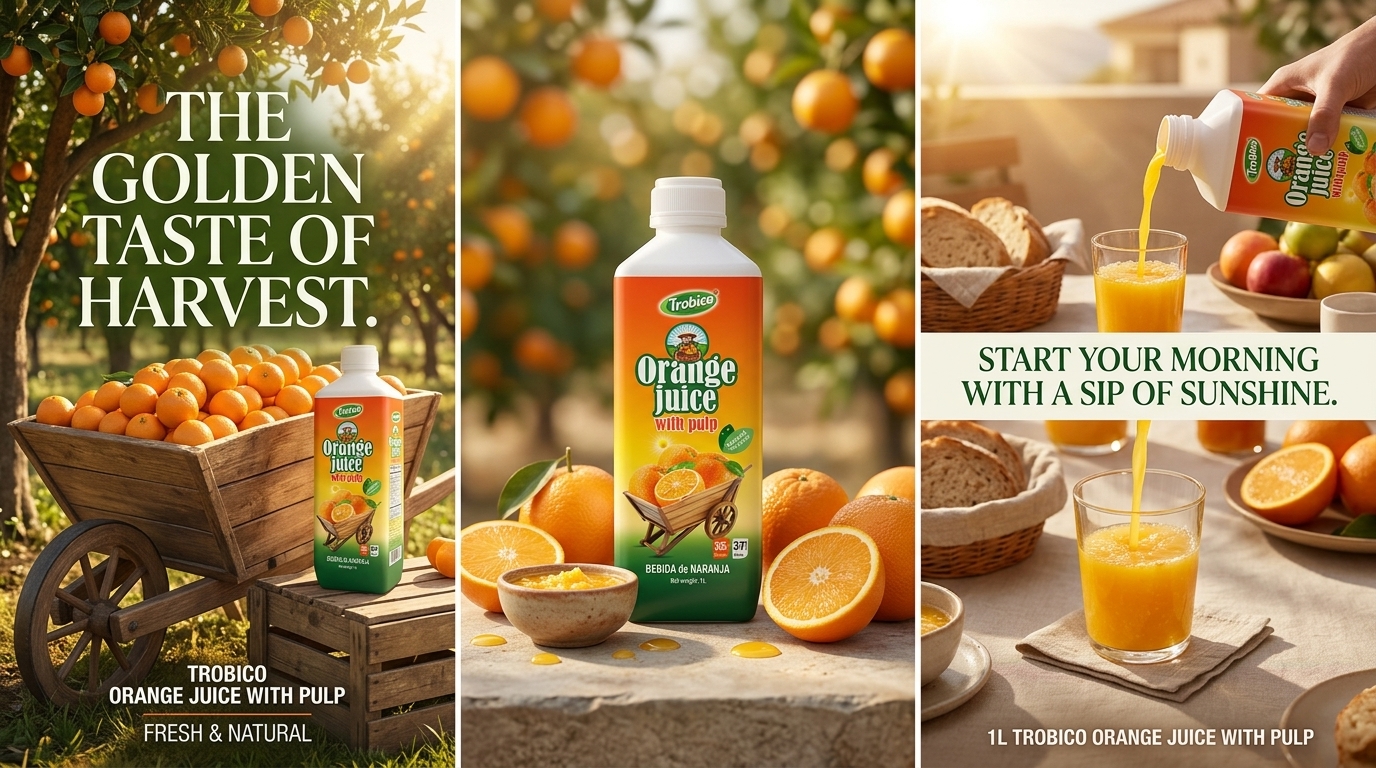
This is not a health claim but a qualitative observation of consumer preference for mouthfeel and visual cues of real fruit content. For businesses, stocking a product like the New Design 1L Orange Juice with Pulp directly addresses this demand for a textured, authentic drinking experience that stands out on the shelf.
Packaging as a Strategic Business Tool
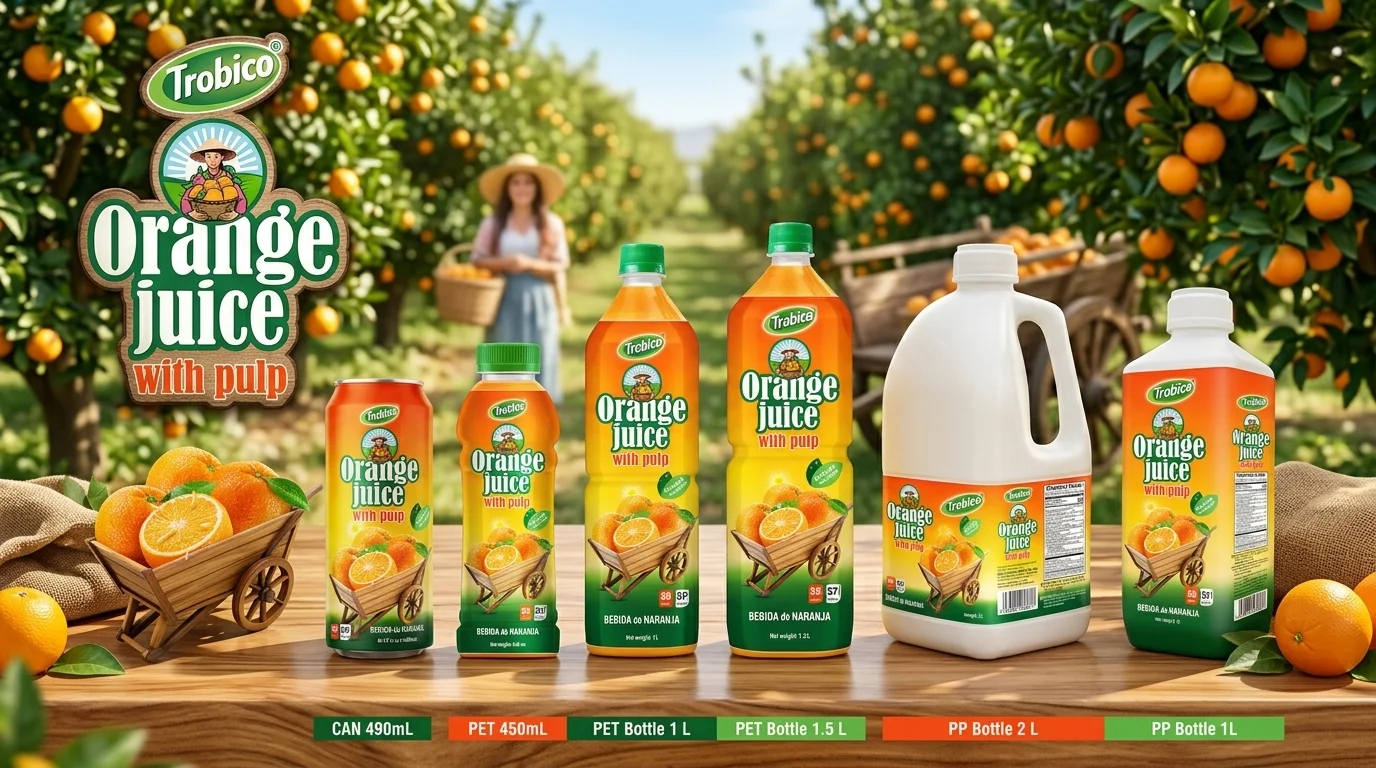
In the B2B sphere, packaging is far more than a container. It is a logistical unit, a marketing vehicle, and a sustainability statement. The shift towards PET bottles, especially in the 1-liter size, is a calculated response to multiple commercial pressures.
PET bottles are lightweight, reducing shipping costs—a critical factor for importers and distributors working with thin margins. They are also shatterproof, minimizing losses during transit and storage. From a retail perspective, the clarity of PET showcases the product's color and pulp content, acting as a silent salesman.
A "new design" in packaging signals innovation to trade buyers. It suggests the manufacturer is investing in staying current, which reduces the risk for a distributor committing to a large order. The 1L size itself is strategic, catering to both family consumption in retail and versatile use in the HORECA channel for table service or as a base for mocktails.
The Role of Brand Architecture in Market Penetration
Sophisticated manufacturers understand that a single brand cannot effectively target all markets. This is evident in the strategy of RITA VINA CO., LTD, which operates the RITA brand while also owning the Trobico brand. This allows for targeted market approaches.
One brand may cater to traditional trade or value-oriented segments, while another, like Trobico, can be positioned for modern trade, export markets, or specific product lines like premium fruit drinks. For a wholesaler, partnering with a manufacturer that has a multi-brand strategy offers flexibility. It allows them to serve diverse customers without portfolio conflict, using different brands for different price points or retail channels.
Export Dynamics and Compliance in the Beverage Sector
The export market for processed fruit drinks presents substantial opportunities, particularly for manufacturers in regions with strong agricultural bases like Vietnam. Success in export is governed by three pillars: consistent quality, reliable volume, and stringent compliance.
International buyers, especially from markets with strict food safety regulations, require suppliers with robust production lines and Hazard Analysis Critical Control Point (HACCP) certifications. A product listing that explicitly mentions "Production Lines" indicates an industrial-scale, standardized manufacturing process, which is a prerequisite for serious export business.
Furthermore, compliance extends to labeling and claims. As per major market regulations (like the FDA in the U.S. or EFSA in Europe), avoiding unauthorized health claims is paramount. Marketing must focus on taste, natural ingredients, and convenience—areas where a natural orange juice with pulp in a 1L PET bottle excels without regulatory risk.
For importers, sourcing a product that is designed for clarity and compliance from the outset minimizes legal hurdles and speeds up time-to-market.
Distribution Strategies for the Modern Supply Chain
Effective distribution today requires products that are optimized for multiple touchpoints. The 1L PET format is a case study in this optimization.
- For Cash & Carry and Wholesale Clubs: The size and durable packaging are ideal for bulk purchases.
- For Traditional Retail: The bottle's design and shelf presence compete effectively in the chilled or ambient juice aisle.
- For the HORECA Channel: The 1L volume is practical for kitchens and bars, reducing packaging waste per serving compared to smaller units.
A product's success hinges on this channel versatility. Distributors seek SKUs that can sell across their entire network, not just a niche segment. The inclusion of pulp and a natural flavor profile makes such a product suitable for everything from a hotel breakfast buffet to a casual dining restaurant.
Future Outlook: Sustainability and Premiumization
The trajectory for the fruit drink market points towards continued premiumization and an increased focus on environmental impact. While current PET packaging offers logistical benefits, future innovations in recycled content (rPET) and bottle lightweighting will become competitive advantages.
Similarly, the emphasis on "natural" as a flavor descriptor and the use of recognizable ingredients will intensify. For B2B decision-makers, the lesson is to partner with forward-thinking manufacturers whose product development—from recipe to packaging—anticipates these trends. Investing in a supply chain for products that embody these values, such as a naturally flavored orange juice with visible pulp in a modern bottle, positions a business for long-term relevance.
Ultimately, the commercial viability of a fruit drink in today's market is a sum of its parts: its alignment with sensory trends, its packaging intelligence, its brand strategy, and its compliance readiness. These are the factors that importers, distributors, and food service professionals must analyze to build a resilient and profitable beverage portfolio.



 No.08, Thong Nhat Boulevard,