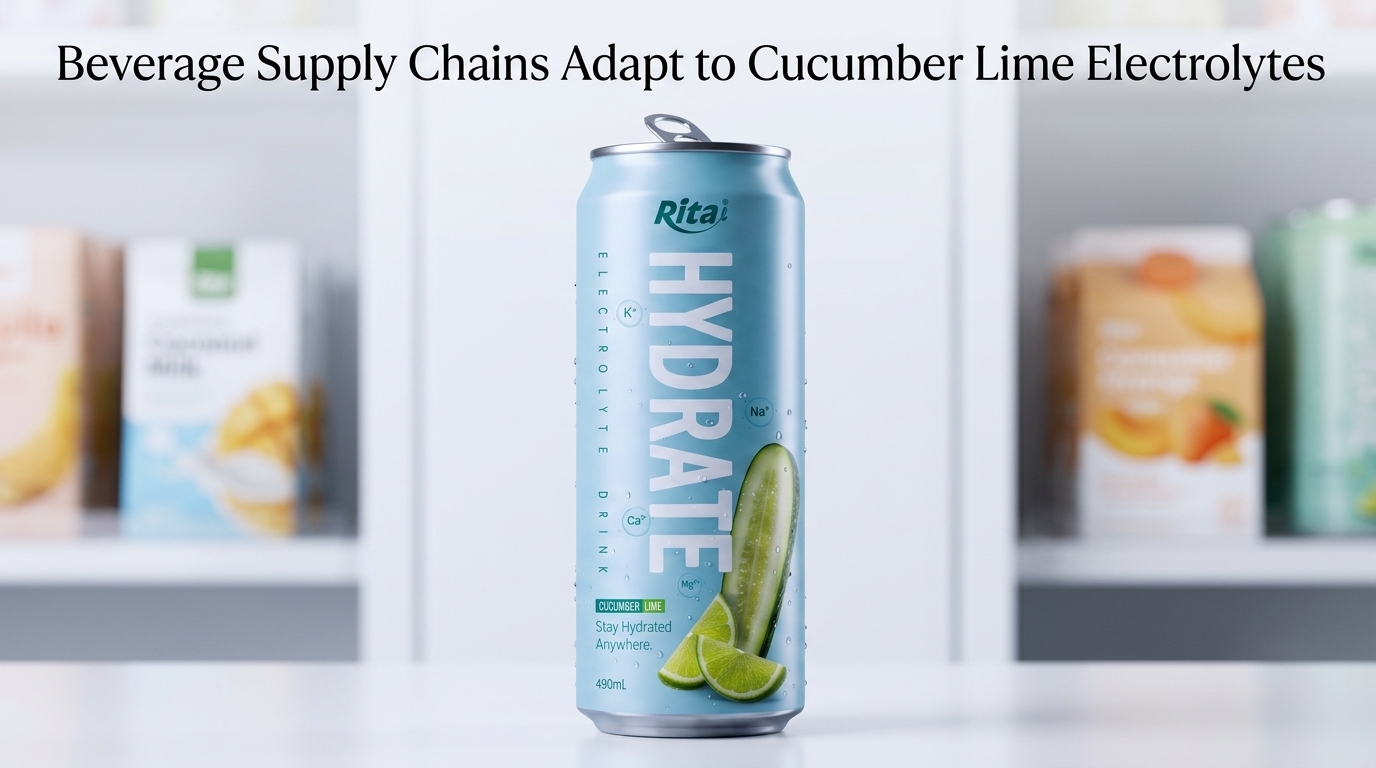
The beverage industry across the Americas is witnessing a quiet but persistent shift. More consumers are reaching for flavored electrolyte drinks that offer portability, clean ingredients, and a satisfying taste. Among these, the cucumber lime electrolyte drink has emerged as a standout, particularly in formats like the 490ml aluminum can. This trend is not just about flavor—it is about how manufacturers, suppliers, and distributors are restructuring supply chains to meet demand efficiently. RITA Food & Drink Co., Ltd., a Vietnamese OEM/ODM beverage manufacturer exporting to over 180 countries, offers a clear example of this adaptation with its HYDRATE line, including the 490ml Cucumber and Lime Electrolyte Juice Drink in Aluminum Can. By examining the journey of this product, we can understand the supply chain dynamics driving the functional beverage market in regions like the United States, Canada, Mexico, Brazil, and Central America.
Key Takeaways
- Consumer demand for portable, low-calorie electrolyte drinks is accelerating in the Americas.
- Aluminum cans offer supply chain advantages, including recyclability and extended shelf life.
- Vietnam’s manufacturing capabilities enable flexible OEM/ODM solutions for global brands.
- Supply chain resilience depends on sourcing, production scale, and regional distribution strategies.
Why Cucumber Lime Flavor Is Reshaping the Electrolyte Market
The electrolyte beverage segment has historically been dominated by citrus and berry flavors. However, cucumber and lime combinations are carving out a niche for their crisp, clean profile. This flavor pairing offers a subtle sweetness and refreshing finish that appeals to consumers seeking alternatives to sugary sports drinks. The cucumber lime electrolyte drink sector is growing because it delivers taste and functionality without an overpowering aftertaste. For supply chain professionals, this means sourcing ingredients like cucumber juice and lime juice in volumes that can meet regional demand.
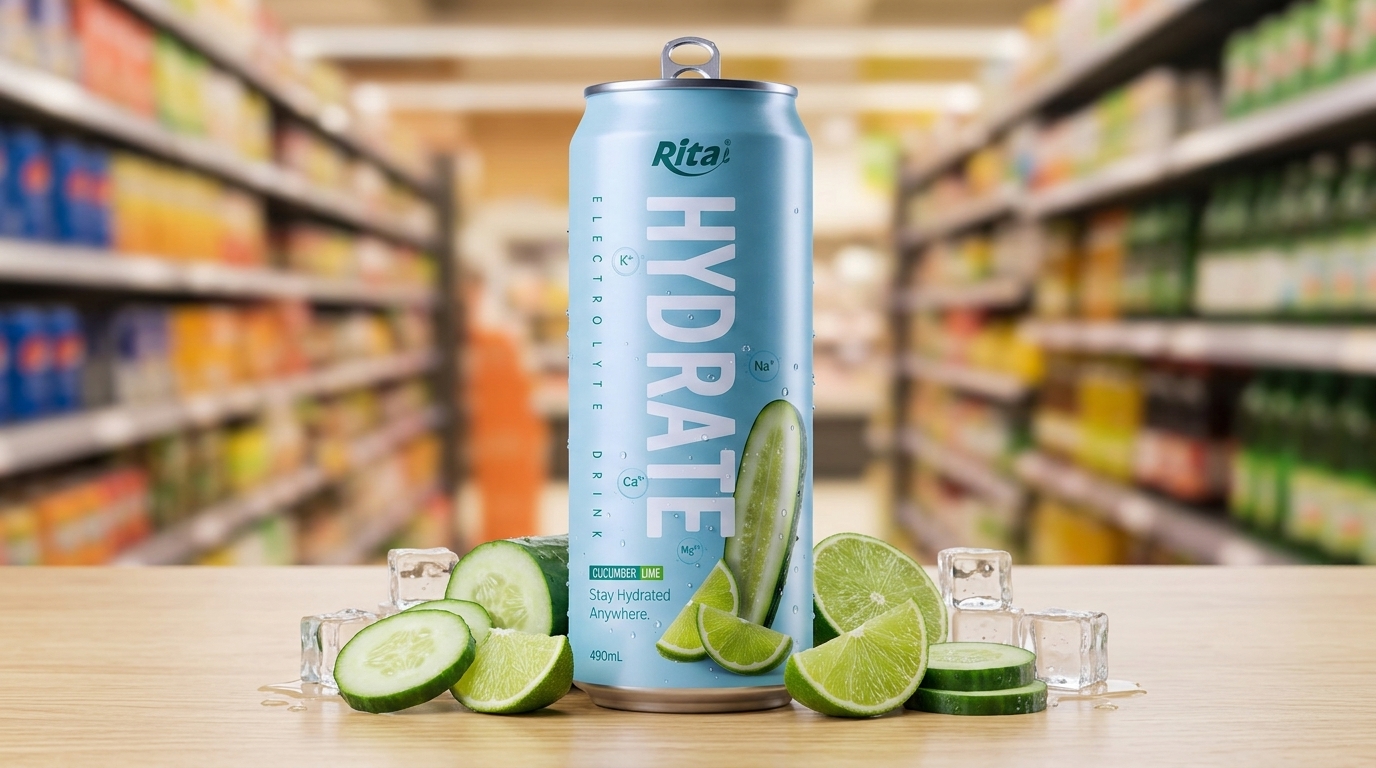
According to beverage market analysts, the functional water and electrolyte drink category is projected to expand at a steady rate through the next decade. In the Americas, portability is a key driver. A 490ml aluminum can fits easily into backpacks, gym bags, and cup holders. This format also aligns with sustainability goals, as aluminum is infinitely recyclable and lighter than glass for shipping. Retailers are taking note, allocating more shelf space to such SKUs. For brands, this is an opportunity to differentiate through clean labels and bold yet familiar flavors.
What Sets Cucumber Lime Apart
Unlike traditional sports drinks that rely on sodium-heavy formulas, cucumber lime beverages often position themselves as lower-calorie options. RITA’s version, for instance, contains only 8 kcal per 100ml and 3mg sodium per 100ml. While these details are not health claims, they illustrate a market preference for lighter refreshment. The subtle effervescence and chilled serving enhance the drinking experience, making it suitable for daily hydration rituals. This product experience is central to consumer loyalty, and supply chains must ensure consistent quality from batch to batch.
Sourcing Ingredients: From Fields to Concentrate
Supply chain efficiency starts with raw materials. Cucumber juice and lime juice are perishable commodities, and their quality depends on agricultural practices, harvest timing, and processing technology. Vietnamese farms, particularly in the Mekong Delta region, provide a steady supply of fresh produce. However, the export beverage industry relies on advanced extraction and concentration techniques to preserve flavor and extend shelf life. Manufacturers like RITA invest in cold-chain logistics and supplier partnerships to maintain ingredient integrity.
Cucumber Supply Dynamics
Cucumbers are high in water content, making them ideal for juice extraction, but they are also vulnerable to spoilage. To mitigate risk, beverage manufacturers often source from multiple regions or use concentrated cucumber juice. This strategy stabilizes prices and ensures year-round availability. For the cucumber lime electrolyte drink production, the supply chain must balance freshness with cost efficiency, particularly when exporting to distant markets like the United States.
Lime Sourcing and Flavor Consistency
Lime juice contributes acidity and a vibrant aroma, but lime prices can fluctuate due to weather and disease affecting crops. Some manufacturers blend lime juice with natural flavors to maintain consistency. RITA’s formulation includes cucumber and lemon flavors alongside lime juice, allowing for a stable sensory profile. This approach reduces supply chain vulnerability while keeping the taste profile refreshing. For buyers, understanding these ingredient substitutions is crucial when evaluating product quotes.
Considering the broader portfolio, RITA offers a wide range of fruit drink lineup that demonstrates their sourcing versatility. While this article focuses on cucumber lime, the company’s ability to handle diverse fruit juices underscores their procurement capabilities.
Manufacturing Flexibility: How OEM/ODM Powers Global Distribution
The move toward private labels and regional brands is intensifying. Retailers and startups often lack their own production facilities, so they rely on contract manufacturers to bring products to market quickly. RITA Food and Drink Co., Ltd., with over 50 automated production lines and monthly exports of 1,200+ containers, exemplifies the scale needed to serve brands in 180+ countries. Their OEM/ODM services allow customers to customize formulations, packaging, and labeling. This flexibility is vital for adapting to taste preferences across the Americas.
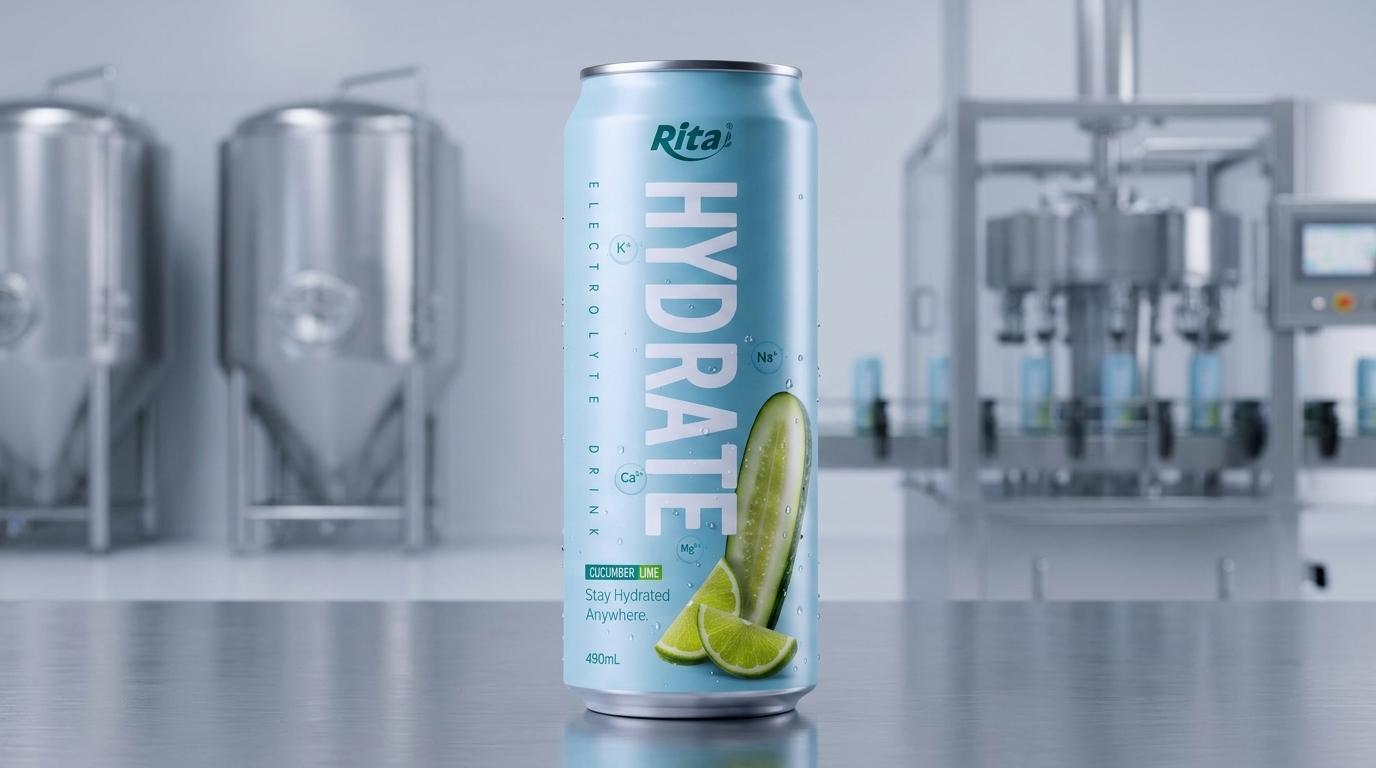
For a cucumber lime electrolyte drink, the manufacturer must precisely control electrolyte levels (potassium, calcium, sodium, magnesium) while maintaining flavor. This requires advanced blending and filling technology. RITA’s certifications—BRC, FSSC 22000, Halal, Kosher, ISO, GMP, HACCP, SMETA—provide assurance to importers in markets with strict food safety regulations. Supply chain professionals evaluate these certifications as risk mitigation tools.
Production at Scale
Large-scale production offers economies of scale, but it also demands rigorous quality control. Automated lines ensure consistent fill volumes, capping, and sterilization. For aluminum cans, the 490ml format is particularly efficient because it maximizes pallet utilization and reduces shipping costs per unit. The product’s 24-month shelf life further simplifies inventory management for distributors.
Quality Assurance Across Borders
Exporting to countries like Mexico, Brazil, and the United States requires compliance with diverse labeling and ingredient regulations. RITA’s experience in navigating these requirements is a competitive advantage. Their production site in Vietnam maintains uniform quality, which is echoed in their RITA fruit juice products catalog. This consistency reduces import rejections and strengthens supply chain reliability.
Aluminum Cans: Logistics and Sustainability Advantages
Packaging is a critical element of the beverage supply chain. The 490ml aluminum can is lightweight, stackable, and resistant to breakage, making it superior to glass for long-distance shipping. Aluminum cans also offer a high surface area for branding, which is crucial for shelf appeal. From a supply chain perspective, the can itself is a less predictable cost component, as aluminum prices are subject to global commodity fluctuations. However, its recyclability supports corporate sustainability goals.
| Packaging Type | Weight | Recyclability | Shelf Life | Shipping Efficiency |
|---|---|---|---|---|
| Aluminum Can (490ml) | Light | Infinitely recyclable | 24 months | High |
| PET Bottle (500ml) | Light | Recyclable but lower recovery | 12 months | High |
| Glass Bottle (500ml) | Heavy | Recyclable but fragile | 12-18 months | Low |
The 490ml cucumber lime electrolyte drink in aluminum can demonstrates these benefits. For beverage importers, choosing cans may lower freight costs and reduce damage claims. Additionally, consumers in the Americas often associate cans with premium RTD beverages, boosting perceived value.
Cold Chain vs. Ambient Distribution
While some juice drinks require refrigerated transport, RITA’s electrolyte drink is shelf-stable, thanks to aseptic processing and sealed packaging. This allows for ambient distribution, significantly reducing logistics costs. The product’s low Brix (2.0±0.5) makes it less prone to microbial growth, supporting longer shelf life without preservatives. Supply chains can leverage this by optimizing warehousing and avoiding cold-chain bottlenecks.
Distribution and Retail Trends in the Americas
The target markets for this cucumber lime electrolyte drink are as diverse as the region itself. In the United States, convenience stores and gyms are primary channels. Canada values clean labels and sustainable packaging. Mexico and Brazil have rapidly expanding middle classes interested in functional beverages. Central American markets are emerging, with increasing tourism and urbanization. Each market requires tailored distribution strategies.
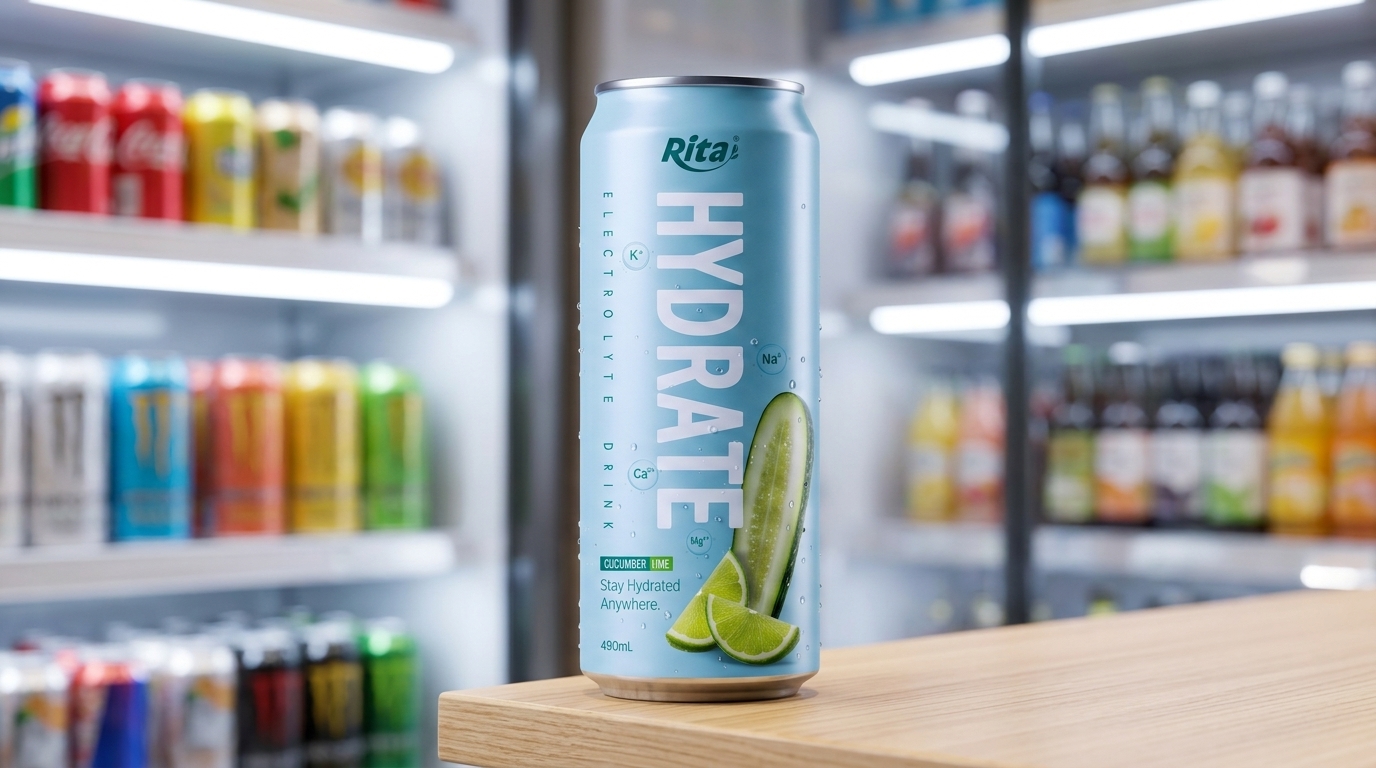
Retailers are consolidating their beverage assortments, favoring brands that offer both taste and portability. The 490ml size sits between single-serve and larger formats, appealing to consumers who want enough volume for extended activities. Brands that enter these markets through contract manufacturing can adapt quickly to local preferences. RITA’s OEM service helps clients launch SKUs with minimal capital expenditure.
Import Logistics and Documentation
Crossing borders in the Americas involves a complex web of tariffs, food registration, and labeling rules. For instance, the U.S. FDA requires specific labeling for electrolytes and caffeine content. While we do not provide legal advice, understanding these requirements is essential for supply chain planning. Manufacturers with export experience, like RITA, assist buyers in preparing documents and ensuring compliance. This reduces the time-to-market for new brands.
Strategic Sourcing from Vietnam
Vietnam has become a beverage manufacturing hub due to competitive labor costs and abundant agricultural resources. The proximity to raw materials allows for lower ingredient costs, which is reflected in competitive wholesale pricing. Brands targeting the Americas can leverage this by importing finished products from Vietnam. A fruit drink series from RITA demonstrates the breadth of possibilities, from tropical fruits to novel flavors like cucumber lime.
Supply Chain Resilience and Contract Manufacturing
Global disruptions have taught beverage companies to diversify their supply chains. Relying on a single production source is risky. However, working with a large OEM/ODM manufacturer can mitigate these risks by ensuring production continuity. RITA’s multiple production lines and export capacity provide a buffer against demand spikes. For the cucumber lime electrolyte drink segment, this resilience is critical as consumer interest grows.
The company’s ability to switch between product types—juices, coconut water, energy drinks, and more—adds flexibility. A brand can start with one SKU and expand with the same partner. This is particularly valuable in regions where taste trends shift quickly, such as Brazil and the United States.
Why Aluminum Cans Are a Strategic Choice
From a supply chain standpoint, aluminum’s recyclability reduces environmental taxes and improves public image. Many municipalities in Canada and the U.S. have deposit refund systems for aluminum cans, which can influence consumer preferences. For brands, this format is a hedge against the anti-plastic sentiment appearing in several Latin American countries. The 490ml can strikes a balance: large enough for satisfaction, small enough for convenience.
OEM/ODM as a Market Entry Tool
Instead of building a factory, brands can utilize RITA’s existing infrastructure. This includes laboratory R&D, production, packaging, and logistics coordination. With a 24-month shelf life, there is ample time for ocean freight and customs clearance. The product’s electrolyte juice drink in aluminum can is a prime example of how a private label can launch quickly.
Frequently Asked Questions
Q: What makes the 490ml can format suitable for beverage supply chains?
A: The 490ml aluminum can is lightweight, stackable, and break-resistant, making it efficient for shipping and storage. It also offers a stable shelf life of up to 24 months.
Q: How can a brand start production of a cucumber lime electrolyte drink?
A: Brands can use OEM/ODM services from manufacturers like RITA, who handle formulation, production, and packaging. Customization helps meet regional taste and regulatory requirements.
Q: What certifications should a beverage supplier have for export to the Americas?
A: Look for certifications such as BRC, FSSC 22000, HACCP, and ISO. These are commonly required by retailers in the U.S., Canada, and Latin America.
Q: Are electrolyte drinks in cans considered a growing market?
A: Yes, the electrolyte beverage market is expanding, driven by active lifestyles and demand for portable hydration. Aluminum cans are gaining preference for their sustainability.
Q: Can RITA customize the flavor or electrolyte levels?
A: Yes, RITA offers OEM/ODM services, allowing brands to adjust flavor, brix, and electrolyte content according to target market preferences.



 No.08, Thong Nhat Boulevard,