Plant-Based Beverage Market Expansion: Capitalizing on the Global Demand for Alternative Milk Products
The global beverage industry is undergoing a seismic shift, driven by evolving consumer preferences, sustainability concerns, and a growing appetite for novel flavor experiences. Within this dynamic landscape, the plant-based milk segment has emerged not merely as a niche alternative but as a formidable mainstream category, presenting significant opportunities for importers, distributors, and F&B businesses worldwide. This growth is fueled by a confluence of factors including dietary diversification, culinary exploration, and the search for versatile, allergen-friendly ingredients for both retail and foodservice applications.
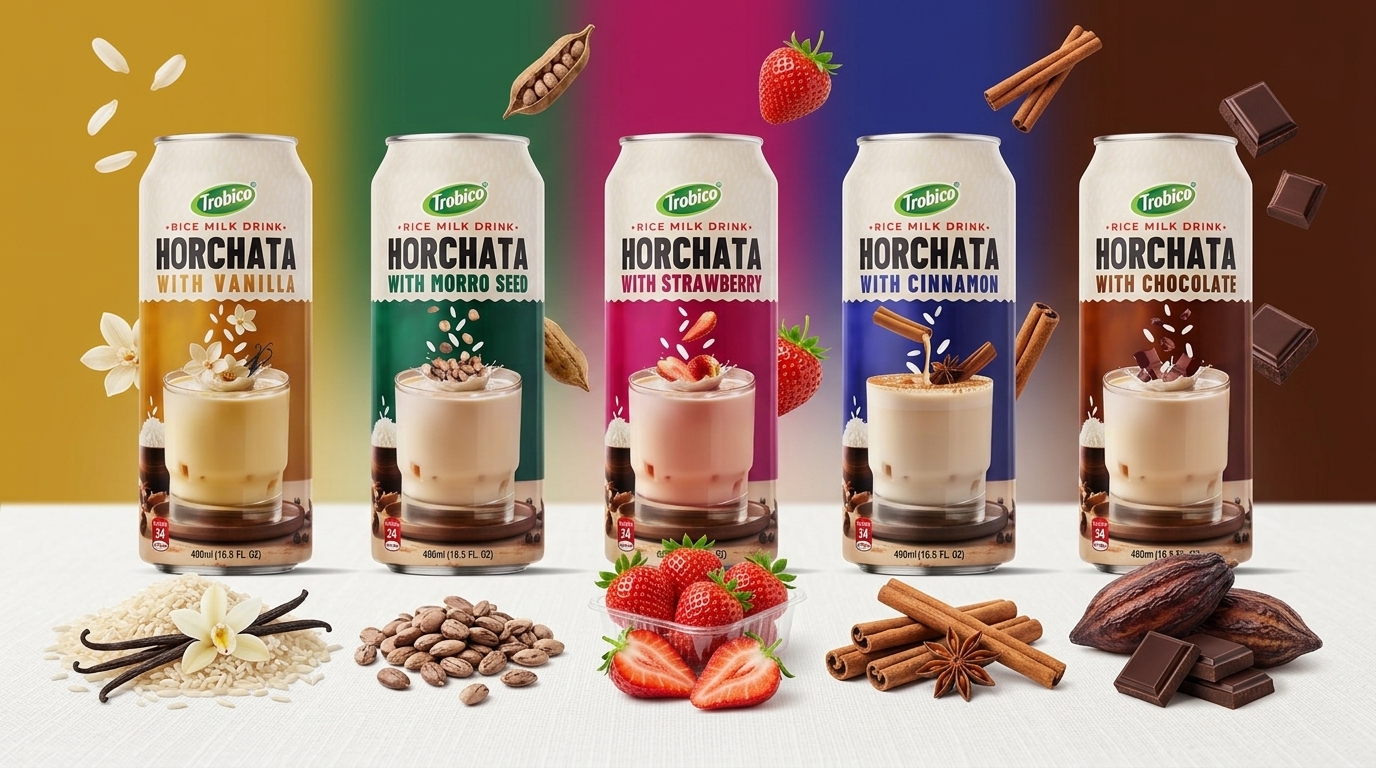
Key Takeaways
- The global plant-based beverage market is experiencing robust growth, driven by consumer demand for variety, sustainability, and allergen-friendly options.
- Innovation in flavor profiles, such as the incorporation of traditional global recipes like horchata, is a key strategy for brand differentiation and market penetration.
- Strategic packaging, including single-serve cans, enhances product appeal for on-the-go consumption and diverse distribution channels, from convenience stores to HORECA.
- For B2B players, sourcing products from established manufacturers with strong production lines, like RITA's brand Trobico, mitigates supply chain risk and ensures consistent quality.
- Understanding regional taste preferences and positioning products as versatile mixers or standalone premium drinks is crucial for successful import and distribution strategies.
Decoding the Consumer Shift: Beyond Health to Experience
The initial driver for plant-based milks was often linked to specific dietary needs. However, the modern consumer's motivation is far more multifaceted. While lactose intolerance and veganism remain relevant, the contemporary purchase decision heavily weighs flavor adventure, ingredient transparency, and environmental impact.
Consumers are actively seeking beverages that offer a unique sensory profile. This is where traditional beverages from various cultures gain global appeal. The Spanish horchata, a centuries-old drink typically made from tiger nuts, has seen adaptations using rice, offering a subtly sweet, creamy, and aromatic profile that stands out in a crowded market.
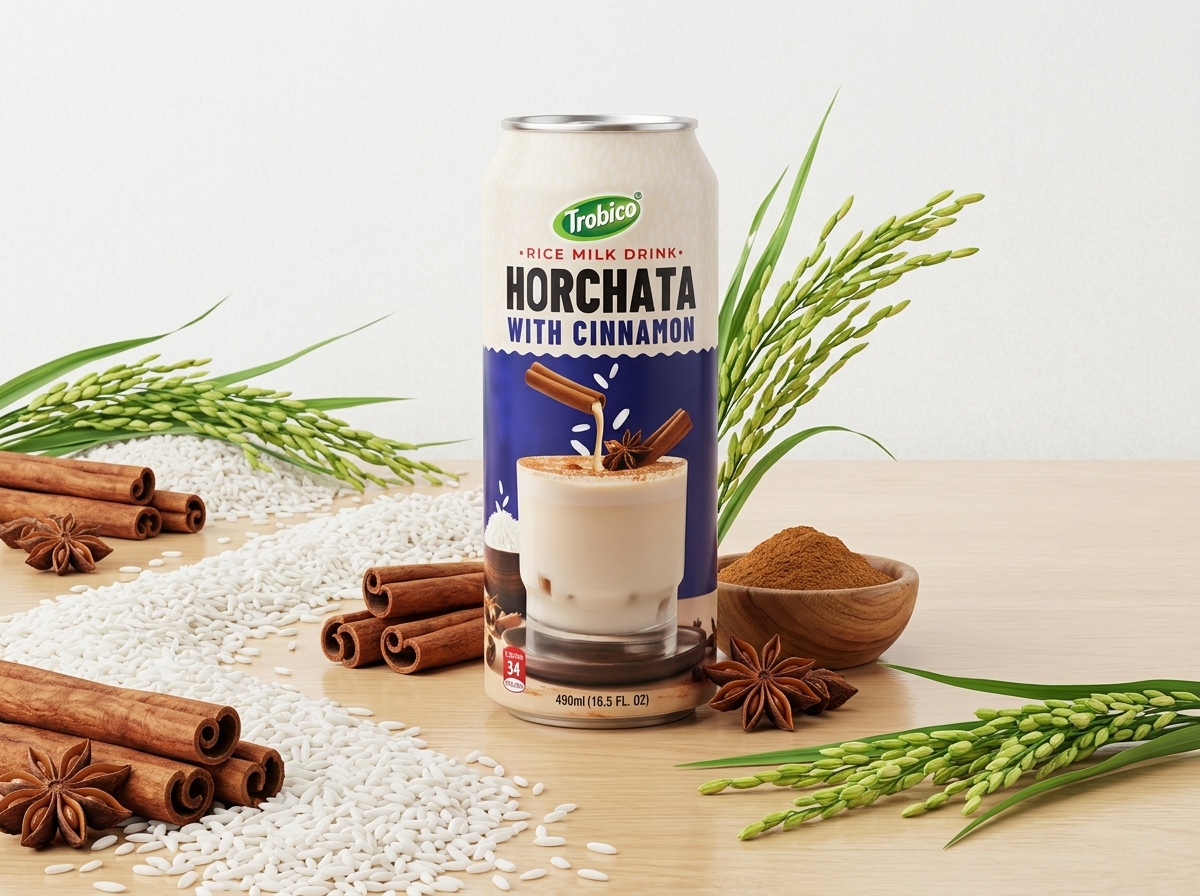
Products that successfully translate these authentic experiences into convenient, consistent formats are well-positioned. For instance, a canned rice milk drink with cinnamon captures the essence of horchata, providing a ready-to-drink solution that appeals to consumers curious about world flavors without the preparation hassle.
Market Segmentation and Distribution Channel Strategy
For wholesalers and distributors, understanding the optimal channels for plant-based beverages is critical for maximizing reach and profitability. The product's format directly influences its channel strategy.
Retail and On-the-Go Consumption
Single-serve packaging, particularly cans, has revolutionized beverage distribution. Cans offer portability, superior protection against light and oxygen (preserving flavor), and a modern, premium aesthetic. They are ideal for:
- Convenience stores and gas stations.
- Specialty food retailers and health food stores.
- Office pantry suppliers and vending machine operators.
A product like Trobico's offering in a 16.5 Fl Oz can is designed for this very purpose, serving as a perfect grab-and-go option or a lunchbox staple.
HORECA (Hotel, Restaurant, Cafe) Applications
The foodservice sector represents a massive growth avenue. Plant-based beverages are no longer just a side option for coffee; they are integral to menu innovation.
- Cafes: Used as a dairy alternative in lattes, smoothies, and shakes. The distinct flavor of a rice-based horchata with cinnamon can create signature beverages.
- Restaurants: Served as a non-alcoholic premium drink pairing or used as a base for soups, sauces, and desserts, adding a unique flavor dimension.
- Bars: Gaining traction as a mixer in craft cocktails, offering bartenders a novel ingredient to create innovative drinks.
Supplying consistent, high-volume products to this sector requires reliable manufacturing partners. Brands operating under larger groups, such as Trobico under the RITA beverage manufacturer umbrella, often provide the supply chain stability and production capacity that HORECA clients demand.
The Export Imperative: Navigating Global Opportunities
For manufacturers and exporters, the international demand for unique beverages creates a lucrative opportunity. Success in export hinges on several key factors:
Compliance and Labeling: Adhering to the FDA and international food safety standards is non-negotiable. Clear labeling regarding ingredients, allergens, and nutritional information builds trust with importers and end consumers.
Flavor Localization: While authenticity is valuable, slight adjustments to sweetness levels or spice notes can better align with regional palates in target export markets.
Building B2B Trust: Importers seek partners with robust production lines that guarantee quality control, batch consistency, and scalable output. A manufacturer's reputation, like that of RITA with its Trobico brand, serves as a significant credential in B2B negotiations, assuring partners of professional-grade operations.
Exploring a product such as the Horchata-style rice milk drink can be a strategic move for importers looking to diversify their portfolio with a trending, globally-inspired SKU.
Innovation and Portfolio Diversification for Businesses
For F&B businesses, from small cafes to large distributors, incorporating plant-based beverages is a strategic move towards portfolio diversification. It mitigates risk by catering to a broader customer base and aligns with contemporary consumption trends.
The innovation lies not just in stocking these products but in creatively integrating them. A distributor can bundle them with related products (e.g., specialty coffees, dessert ingredients). A cafe can feature them in seasonal promotional drinks. The distinctive taste profile of a cinnamon-infused rice drink offers a point of differentiation that can attract customer interest and drive trial.
Sourcing from a portfolio of brands that includes both established names and specialized lines, like RITA's main brand alongside its Trobico brand, allows businesses to offer a range of options from staple items to more unique, flavor-forward products.
Supply Chain and Sourcing Considerations
In today's volatile global environment, supply chain resilience is paramount. B2B buyers prioritize suppliers with:
- Vertical Integration: Control over key production stages ensures quality and reduces dependency on multiple third-party suppliers.
- Production Transparency: Understanding a manufacturer's capabilities, capacity, and compliance protocols is essential for long-term partnership planning.
- Flexible Logistics: Partners who can accommodate varying order sizes and provide efficient export documentation streamline the importer's operations.
When evaluating a product like a canned plant-based beverage, the strength of its manufacturing backbone is a critical component of its value proposition for serious wholesale or import deals.
Conclusion: A Market Ripe for Strategic Partnership
The rise of plant-based beverages is a defining trend of the modern F&B landscape. It transcends a fleeting fad, representing a fundamental expansion of consumer choice and culinary possibility. For industry players—from manufacturers like RITA and its Trobico brand to importers, distributors, and foodservice operators—the opportunity lies in strategic curation, innovative application, and robust partnership.
Success will belong to those who view products not just as inventory, but as experiences. Whether it's a convenient canned horchata drink capturing a world flavor or a staple almond milk, the focus must remain on meeting the market's demand for variety, quality, and convenience. By aligning with reliable producers and understanding the nuanced drivers of consumer and commercial demand, businesses can effectively capitalize on this sustained global growth trajectory.
Frequently Asked Questions
What is driving the global growth of the plant-based beverage market?
The growth is fueled by multiple factors including increased consumer interest in dietary diversity, exploration of global flavors, environmental and sustainability considerations, and the need for allergen-friendly (e.g., lactose-free, nut-free options like rice milk) products in both retail and foodservice settings.
Why are single-serve cans a popular format for new beverage products?
Cans offer excellent portability, protection against light and air to maintain product integrity, a modern and sustainable image (due to high recyclability), and are ideal for on-the-go consumption. They fit seamlessly into convenience stores, vending machines, and casual dining environments.
How can a product like a horchata-flavored rice milk drink appeal to the HORECA (Hotel/Restaurant/Cafe) sector?
Such a product offers versatility. It can be served chilled as a unique non-alcoholic beverage, used as a dairy alternative to create signature coffee drinks (e.g., a Horchata Latte), or utilized as a culinary ingredient in desserts, sauces, and even craft cocktails, providing a distinct flavor profile that enhances menu innovation.
What should importers and distributors look for when sourcing plant-based beverages from international manufacturers?
Key criteria include the manufacturer's compliance with international food safety standards (FDA, etc.), the robustness and scalability of their production lines, consistency in quality and taste across batches, and the strength of the brand's overall portfolio and market reputation to ensure a reliable, long-term supply partnership.
Is the plant-based beverage trend expected to be long-term or a passing fad?
Market analysts and consumption data indicate this is a structural, long-term shift within the global beverage industry. The category continues to evolve beyond basic alternatives into premium, flavor-focused, and functionally versatile products, embedding itself firmly in global consumption habits and retail/ foodservice offerings.



 No.08, Thong Nhat Boulevard,