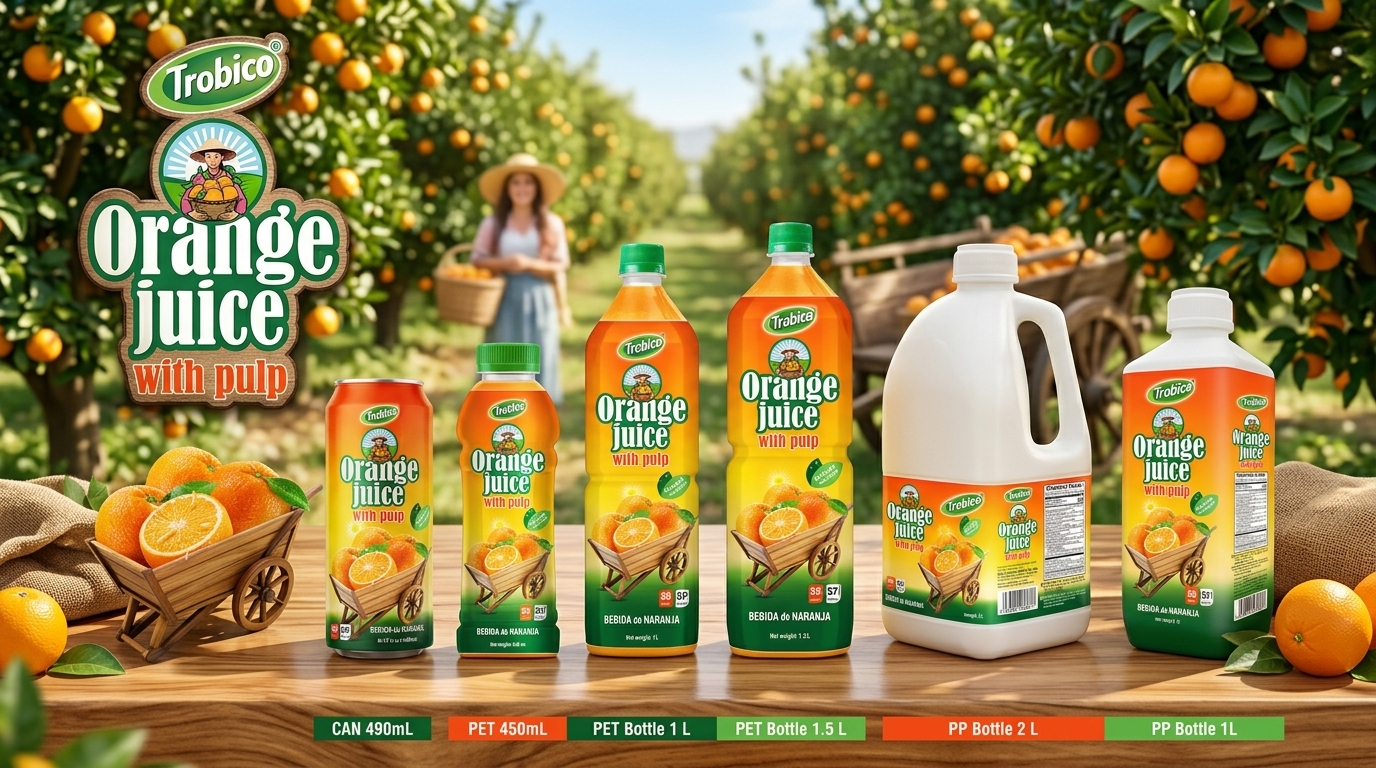
The global beverage landscape is undergoing a significant transformation, with premium canned juices emerging as a high-growth segment. This shift is driven by evolving consumer preferences, innovative packaging solutions, and strategic distribution models. For importers, distributors, and F&B businesses, understanding these dynamics is crucial for capitalizing on emerging opportunities. Products like the Trobico 16.57 Fl Oz Cans Orange Juice With Pulp exemplify how manufacturers are aligning with contemporary market demands through format, presentation, and supply chain agility.
Key Takeaways
- The premium canned juice segment is experiencing robust growth, fueled by convenience and packaging innovation.
- Consumer demand for authentic taste experiences, like pulp-in variants, is reshaping product development.
- Strategic B2B distribution and HORECA channel development are key to market penetration.
- Export markets present significant opportunities for manufacturers with strong production capabilities, such as RITA with its Trobico brand.
- Compliance with international standards and adaptable logistics are non-negotiable for successful cross-border trade.
Market Evolution and the Rise of Premium Canned Beverages
The beverage industry has moved beyond basic refreshment. Today's market values experience, quality, and format. Canned juices have shed their commodity image, reborn as premium offerings.
This renaissance is powered by several factors. Modern canning technology preserves flavor and freshness exceptionally well. The format itself offers portability, durability, and superior shelf-life.
For businesses, this translates to reduced logistics costs and minimized spoilage. The 16.57 Fl Oz (approximately 490ml) size is particularly strategic. It serves the individual premium segment while being efficient for foodservice portions.
Consumer Behavior: Driving Demand for Authenticity
Modern consumers are informed and discerning. They seek products that deliver on sensory promise. The inclusion of pulp, as seen in specific orange juice offerings, directly responds to this demand for a more authentic, textural experience.
It signals a less processed product, aligning with the broader \"real ingredients\" trend. This is not a health claim, but a flavor and quality descriptor that resonates powerfully at point of sale.
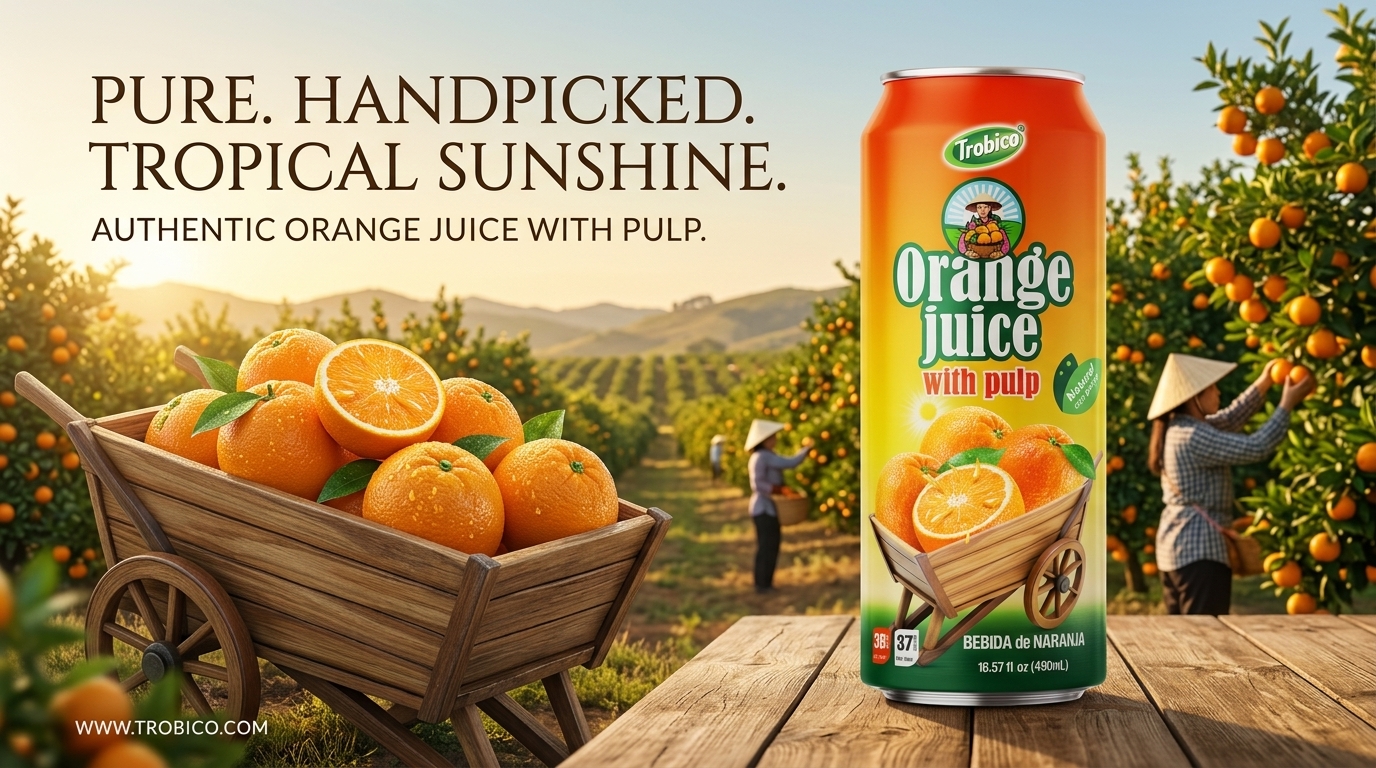
Brands that effectively communicate these attributes through labeling and marketing secure a competitive edge. The choice of can design, copy, and visual cues becomes critical in conveying premium quality to the end-user.
Strategic Distribution: From Production Line to Point of Sale
For B2B players, the route to market is as important as the product itself. Efficient distribution of beverages like canned juice requires a multi-channel approach.
Leveraging the Wholesale and Cash & Carry Network
Bulk packaging and palletized shipping are fundamental. Products must be designed for efficient warehouse storage and handling. The cylindrical can format is inherently stackable and robust.
Developing strong relationships with regional distributors allows for rapid market coverage. Offering flexible order quantities, from full-container loads for large importers to mixed pallets for smaller wholesalers, is essential.
Successful brands support their distributors with point-of-sale materials and promotional strategies tailored to the wholesale environment.
Capitalizing on the HORECA Channel
The Hotel, Restaurant, and Cafe sector represents a lucrative channel for premium canned juices. Consistency, presentation, and operational ease are paramount here.
A single-serve, ready-to-present can eliminates need for pouring, reduces glassware, and ensures portion control. For example, a high-quality canned orange juice can be served directly at breakfast buffets or as a bar mixer.
Supplying this channel requires understanding its unique logistics, including direct delivery to kitchens and adherence to strict delivery schedules. You can explore a product example designed for such versatility here .
Export Dynamics and Global Market Opportunities
Global trade in non-alcoholic beverages is expanding. Emerging economies with growing middle classes present vast opportunities. For a manufacturing entity like RITA, with brands including RITA and Trobico, export is a vital growth lever.
Key considerations for successful export include:
- Regulatory Compliance: Adhering to FDA and equivalent international food safety standards is the baseline. This covers ingredient labeling, factory certifications, and additive regulations.
- Logistics Optimization: Canned goods are weight-sensitive. Optimizing container load to balance weight and volume maximizes cost-efficiency in sea freight.
- Cultural Adaptation: While core products like orange juice have universal appeal, sweetness profiles or pulp content may need subtle adjustment for regional palates.
- Market-Specific Packaging: Labeling must meet local language laws and resonate culturally. The 16.57 Fl Oz (490ml) size may be marketed as a premium single-serve in one market and a family share size in another.
Building a Competitive Edge in Production
Scale, consistency, and flexibility are the holy trinity of beverage production for export. Advanced production lines enable high-volume output while maintaining strict quality control for attributes like taste and texture.
The ability to run smaller batches for niche markets or limited editions is also valuable. This agility allows exporters to test new markets and respond to trends without massive initial investment.
Strong production capability, as indicated by a focus on production lines, is a major asset when pitching to large international buyers who require reliable, scalable supply.
Future Trends and Business Implications
The trajectory of the beverage market points toward continued premiumization and diversification. For B2B decision-makers, several trends warrant attention.
There is growing interest in novel flavor combinations and exotic fruit profiles, moving beyond traditional orange or apple. Packaging innovation will continue, with a focus on sustainability in can sourcing and recycling.
Digital integration in the supply chain, from blockchain for traceability to AI-driven demand forecasting, will become standard. Businesses that invest in these areas will secure stronger partnerships with forward-thinking retailers and distributors.
Ultimately, success hinges on viewing products not just as inventory, but as strategic assets that meet specific channel and consumer needs. A well-positioned canned juice, such as the Trobico orange juice with pulp, demonstrates a clear understanding of modern consumption occasions, from on-the-go refreshment to foodservice application.
Frequently Asked Questions
What are the primary advantages of canned juice for distributors compared to other packaging?
Canned juice offers distributors superior durability, longer shelf life, and more efficient transport and storage due to its stackable format. It is also less prone to light damage compared to transparent packaging, maintaining product consistency.
How important is the "with pulp" designation for the B2B market?
Extremely important. It caters to a specific and growing consumer preference for texture and perceived authenticity. For HORECA clients, it can justify a premium price point and differentiate their beverage offering from competitors using standard clear juices.
What should an importer look for in a beverage manufacturer's production capabilities?
Importers should prioritize manufacturers with certified production lines (e.g., ISO, HACCP, FDA-compliant), scalable capacity to handle large orders, and flexibility for private labeling or custom runs. Proven experience in export logistics is also critical.
Is the 16.57 Fl Oz (490ml) size considered standard for premium single-serve?
It is becoming an increasingly popular standard. It is substantial enough to be perceived as a premium single serving or a small sharing size, fitting well in convenience stores, vending machines, and restaurant settings without being wasteful.
What are the key logistical considerations when exporting canned beverages?
Key considerations include optimizing container load to maximize weight/volume ratio, ensuring packaging can withstand long transit times, managing climate control to prevent condensation, and having a clear understanding of destination country import duties and food regulations.



 No.08, Thong Nhat Boulevard,