For importers, distributors, and F&B businesses, understanding the dynamics behind this growth is crucial for capitalizing on new opportunities. The success of brands under portfolios like RITA, which owns both RITA and Trobico, highlights the importance of targeted product development and agile market strategies.
Key Takeaways
- The global sparkling water market is experiencing robust growth, fueled by demand for premium, convenient, and flavorful alternatives to traditional soft drinks.
- Innovative packaging, such as the 320ml sleek can, is a critical differentiator in retail and hospitality channels, enhancing shelf appeal and portability.
- Flavor innovation, particularly with fruit-forward profiles like cherry, caters to the consumer desire for exciting yet familiar taste experiences without excess calories.
- Strategic brand portfolios, like that of manufacturer RITA, allow for targeted market segmentation and diversified risk in the competitive F&B sector.
- Export opportunities in the sparkling water segment are expanding, especially for products that combine modern packaging, clear branding, and versatile flavor applications.
The Rising Tide of the Global Sparkling Water Market
Market analysts consistently report double-digit growth in the sparkling water category. This surge is not a fleeting trend but a fundamental change in consumption patterns. Consumers are actively seeking beverages that offer a perceived upgrade from still water and a healthier profile compared to sugar-laden carbonated soft drinks.
The appeal lies in the sensory experience—the effervescence and flavor—without the commitment to high sugar or artificial sweeteners. This creates a vast white-space opportunity for brands and their B2B partners. Products that successfully navigate this space, such as the Trobico Sparkling Water line, position themselves at the intersection of refreshment and mindful consumption.
Packaging as a Strategic Business Tool
In the crowded beverage aisle, packaging is often the first point of sale. The evolution from traditional bottles to sleek can formats represents a calculated business move. The 320ml size is strategically optimal. It is substantial enough for a satisfying single serve, yet compact for low-waste inventory management and efficient logistics.
For distributors, the sleek can offers several advantages:
- Space Efficiency: Superior palletization and storage density compared to many bottle formats.
- Durability: Reduced risk of breakage during transportation and handling.
- Brand Canvas: A modern, uniform surface for high-impact graphics that appeal to a contemporary audience.
This format is particularly effective in the Hotel/Restaurant/Cafe (HORECA) channel. Its premium look aligns with cafe culture and casual dining, while its single-serve nature simplifies operations and reduces waste. A product like the Trobico Cherry variant in a sleek can becomes not just a beverage, but a versatile menu component.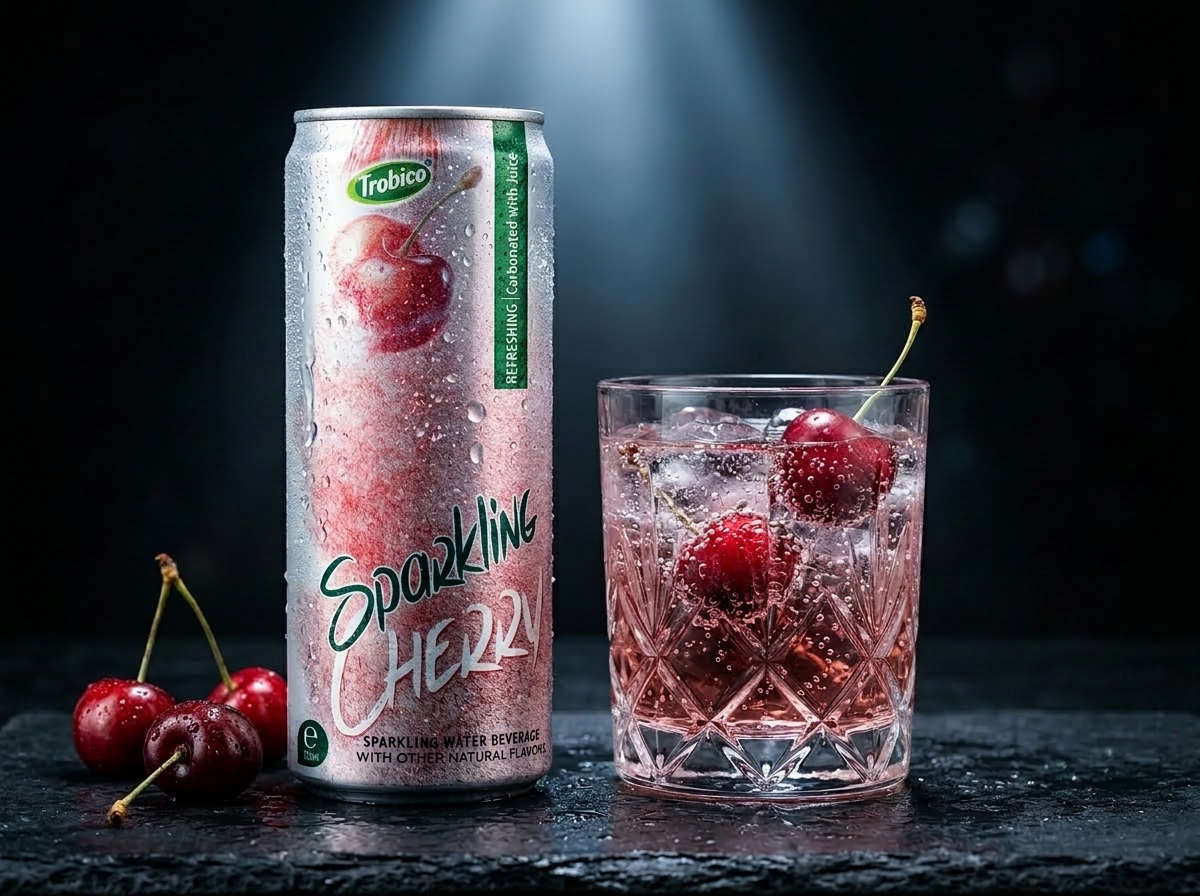
Flavor Innovation: Beyond the Basic Bubble
The era of unflavored sparkling water dominating the category is fading. Today's growth is powered by nuanced flavor infusions. Cherry, as a flavor profile, holds significant cross-cultural appeal. It is often associated with indulgence and sweetness, yet when applied to sparkling water, it delivers a crisp, recognizable taste that is both sophisticated and approachable.
For wholesalers and F&B businesses, this flavor versatility translates directly to sales opportunities. A cherry-flavored sparkling water can be:
- A standalone premium soft drink option.
- A sophisticated mixer for non-alcoholic and alcoholic cocktails.
- A base for creative culinary applications, like sorbets or marinades.
This adaptability makes it a low-risk, high-potential stock-keeping unit (SKU) for businesses looking to diversify their beverage offerings without overextending their inventory.
Consumer Behavior and the Demand for "Better-For-You" Options
Modern consumers are increasingly label-conscious. They scrutinize ingredient lists for simplicity and recognizability. The trend is not solely about health claims—which must be avoided per regulatory guidelines—but about transparency and minimal processing.
Sparkling water mixes that emphasize natural flavors and clear ingredient statements resonate with this mindset. They fulfill the desire for a flavorful, fizzy experience that aligns with a lifestyle of moderation and informed choice. This consumer insight is vital for B2B decision-makers when selecting product lines to represent or stock.
Distribution Dynamics and Export Potential
The structure of a brand portfolio, such as RITA's ownership of both RITA and Trobico, is a case study in market strategy. It allows a manufacturer to address multiple price points and consumer segments simultaneously. For an importer or distributor, partnering with such a manufacturer can provide a more comprehensive and resilient beverage portfolio.
The export market for Asian beverage brands, particularly from manufacturing hubs like Vietnam, is ripe with potential. Key factors driving this include:
- Cost-Competitive Production: High-quality manufacturing at scalable volumes.
- Innovation Agility: Rapid adaptation to global packaging and flavor trends.
- Strategic Branding: Development of export-ready brands with international appeal, like Trobico's modern aesthetic.
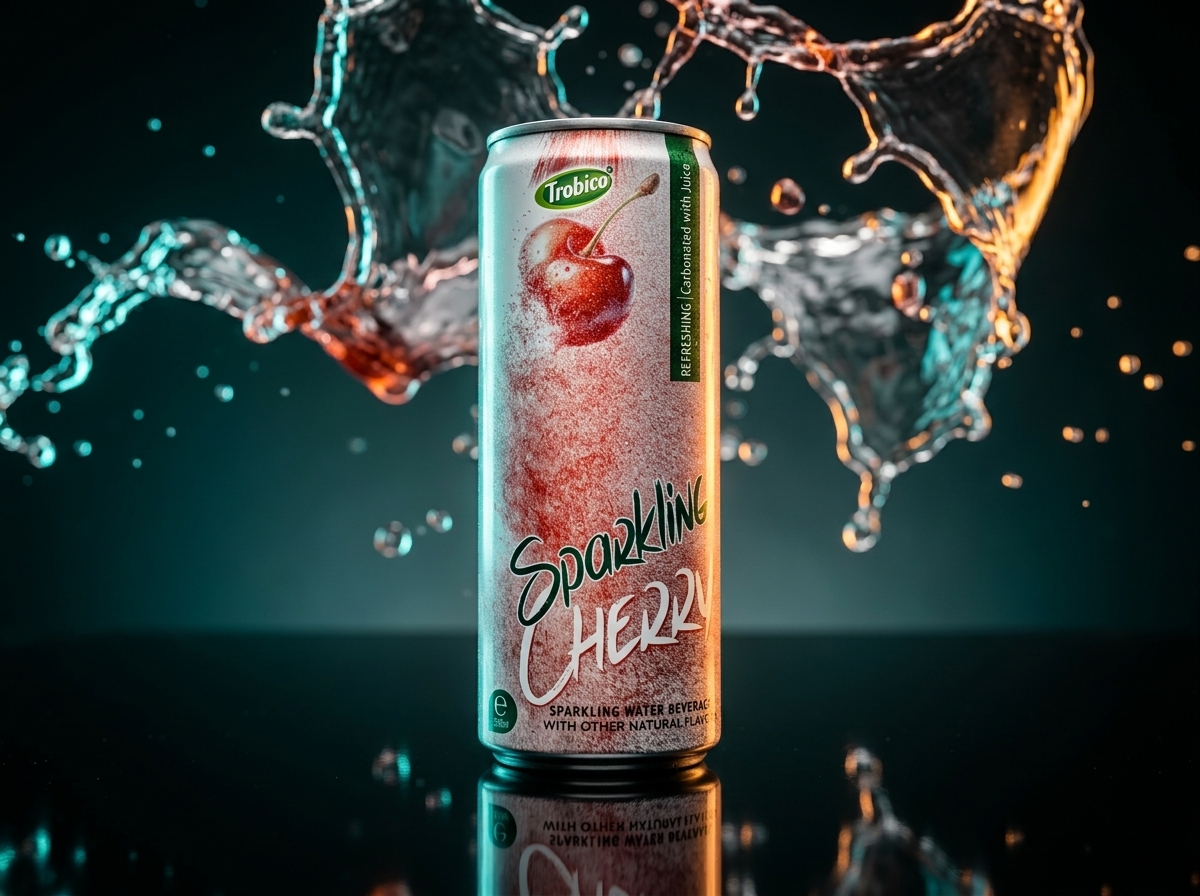
Products that meet international packaging standards and offer a unique selling proposition, such as a distinct flavor in a sleek format, are well-positioned for cross-border trade. The Trobico Sparkling Water Mix Cherry Flavor 320ml Sleek Can serves as a tangible example of a product designed with both domestic and export markets in mind.
Capitalizing on HORECA and Retail Synergies
Success in the beverage industry requires a dual-channel strategy. A product must perform in both retail (supermarkets, convenience stores) and HORECA environments. The sleek can format is uniquely suited for this dual role.
In retail, it stands out for its modern look. In HORECA, its functionality shines. For a cafe, it's a ready-to-serve premium option. For a restaurant, it's a versatile bar ingredient. This channel versatility maximizes the return on investment for distributors and increases the product's overall market penetration potential.
Exploring the specific product specifications and availability is a logical first step for businesses assessing its fit for their market.
Future Outlook and Strategic Considerations
The trajectory for the sparkling water category points toward continued innovation. Expect to see further exploration in:
- Functional Ingredients: While avoiding health claims, the incorporation of botanicals, vitamins, or electrolytes for taste and mouthfeel differentiation.
- Sustainability: Increased focus on recyclable materials and lightweighting in packaging like cans.
- Flavor Fusion: More complex, hybrid flavors that cater to adventurous palates.
For B2B stakeholders, the imperative is to partner with forward-thinking manufacturers. Brands that demonstrate a commitment to R&D, compliant marketing, and flexible production—as seen in established players like RITA—will be the ones defining the next wave of growth.
The sparkling water revolution is more than a consumer trend; it's a wholesale reshaping of beverage category hierarchies. Products that master the formula of compelling flavor, intelligent packaging, and clear brand positioning are not just capturing sales—they are building the new foundation for the global F&B industry.



 No.08, Thong Nhat Boulevard,