The global beverage landscape is undergoing a significant transformation. Consumer preferences are shifting away from traditional sugary sodas toward lighter, more sophisticated alternatives. This evolution presents a substantial opportunity for importers, distributors, and F&B businesses. At the forefront of this trend is the sparkling water segment, which continues to see robust growth driven by premiumization, convenience, and flavor innovation.
Key Takeaways
- The global sparkling water market is experiencing sustained growth, fueled by health-conscious trends and demand for premium, convenient formats.
- Sleek can packaging, particularly in sizes like 320ml, is becoming a dominant force in retail and HORECA channels due to its portability, branding potential, and sustainability perceptions.
- Citrus flavors, especially orange, remain a perennial favorite and a safe, high-volume bet for distributors looking to capitalize on broad consumer appeal.
- Brands with strong production heritage, like those under the RITA umbrella, offer reliability and scalability that are critical for B2B partnerships and export ventures.
- Understanding the synergy between flavor profiles, packaging innovation, and distribution strategy is key to unlocking new revenue streams in the competitive non-alcoholic beverage sector.
The Rise of Premium Sparkling Water and the Shift in Consumption Patterns
Market analysts consistently highlight the sparkling water category as a high-growth area. This isn't merely a substitution for still water; it's the creation of a new occasion. Consumers seek a beverage that offers the refreshment of water with the sensory experience of a soft drink, but without the calorie load or artificial ingredients often associated with the latter.
This demand has moved beyond niche health stores into mainstream retail, convenience stores, and foodservice. For businesses, this means the category now commands dedicated shelf space and menu sections. The growth is not uniform; it is being led by products that successfully marry taste, presentation, and brand story.
Packaging as a Strategic Differentiator: The Sleek Can Advantage
Packaging is no longer just a container; it's a marketing tool and a driver of purchase decisions. The rise of the sleek can format, such as the 320ml size, is a direct response to several market forces. For distributors, cans offer logistical benefits: they are lightweight, stackable, and less prone to breakage compared to glass.
From a retail perspective, the sleek can projects a modern, premium image. It appeals to on-the-go consumers seeking single-serve convenience. In the HORECA channel, this format is ideal for cafes, casual dining, and hotel minibars, offering a visually appealing alternative to standard bottles. The can's entire surface area becomes a canvas for branding, allowing for bold designs that capture attention in a crowded cooler.
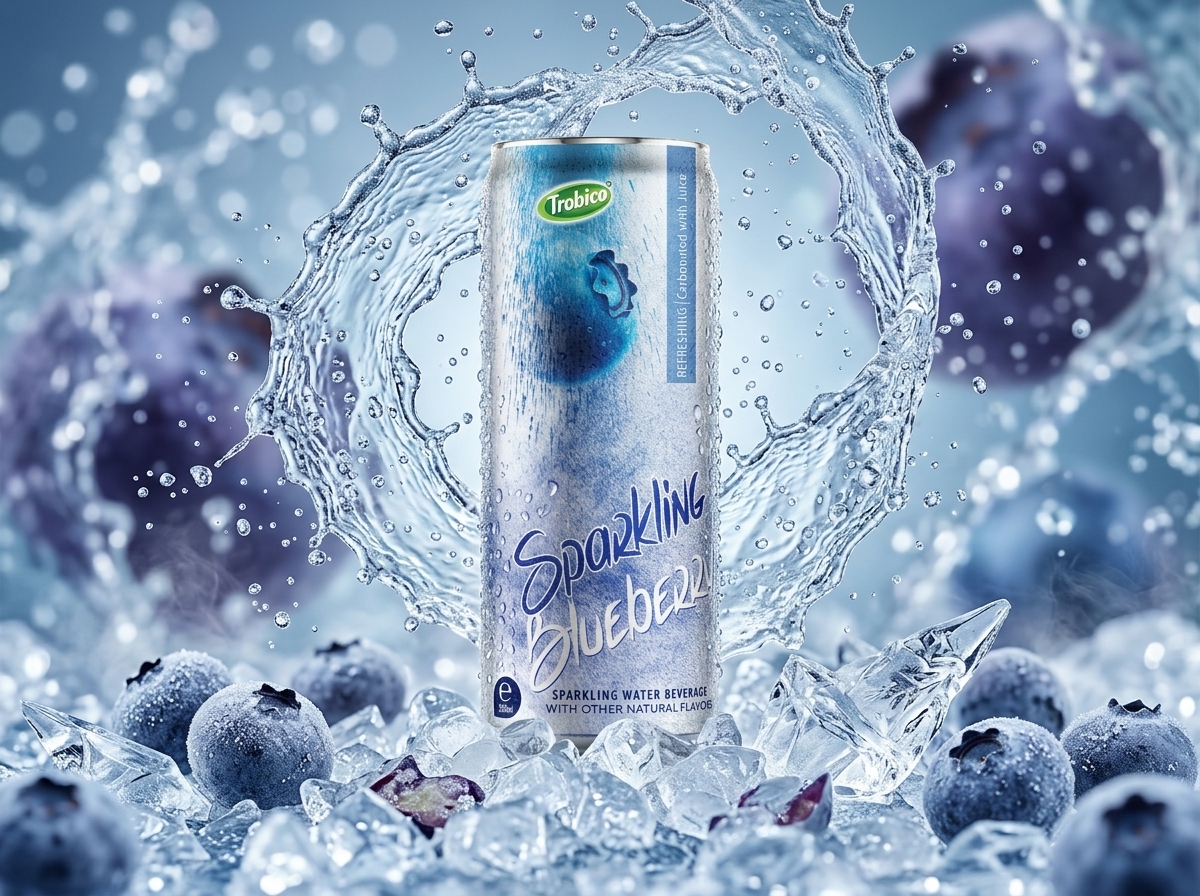
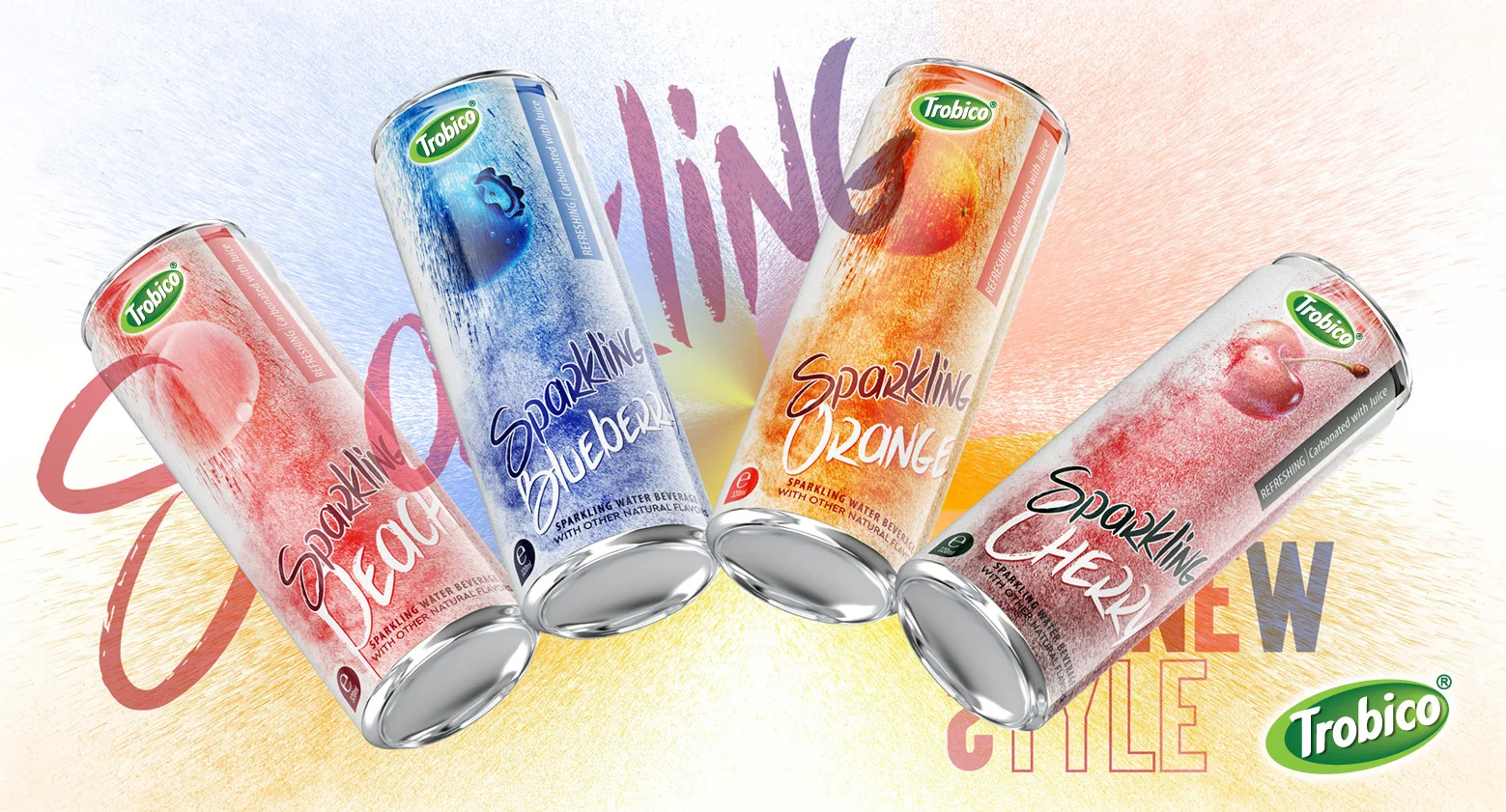
Products that leverage this format effectively, like the Trobico Sparkling Water in its sleek can, align perfectly with these consumption and retail trends.
Flavor Dynamics: Why Citrus Remains a Cornerstone for Volume
While exotic and botanical flavors generate buzz, classic citrus profiles like orange form the reliable backbone of any successful beverage portfolio. For wholesalers and importers, flavor choice is a balance between innovation and volume security. Orange flavor offers universal recognition and appeal across demographics and geographies.
It provides a familiar, refreshing taste profile that minimizes the risk of consumer rejection. This makes it an excellent entry point for a brand into a new market or a reliable staple for a distributor's catalog. The success of a product often hinges on the quality of its flavoring; a natural-tasting, not overly sweet orange note can elevate a sparkling water from a simple mixer to a standalone refreshment.
This approach to flavor is evident in offerings designed for broad appeal, which can be explored further in the Trobico orange flavor variant details.
Manufacturing Heritage and Brand Portfolio Strategy
For B2B buyers, the credibility and capability of the manufacturer are as important as the product itself. A brand backed by an established producer with multiple successful lines, such as RITA with its flagship RITA brand and the Trobico line, signals operational excellence. It implies consistent quality control, reliable supply chains, and the capacity to handle large orders—critical factors for import/export businesses.
A diversified brand portfolio allows a manufacturer to target different market segments and price points. This strategic depth provides partners with options and flexibility. It demonstrates an understanding of market segmentation, where one brand might cater to a mainstream audience while another, perhaps with different packaging or flavor sophistication, targets a more premium segment.
Distribution and HORECA Applications: Beyond the Retail Shelf
The opportunity for sparkling water extends far beyond supermarket aisles. The HORECA sector represents a high-margin channel with growing demand. Hotels seek premium mini-bar options. Restaurants are curating sophisticated non-alcoholic beverage menus to cater to diners avoiding alcohol. Cafes are looking for appealing canned drinks to complement their coffee offerings.
A product in a 320ml sleek can is perfectly suited for these applications. Its size is appropriate for a single serving, its packaging is aesthetically pleasing on a table or in a display, and it requires no additional preparation from staff. For distributors, building a specialized portfolio for the HORECA channel, featuring products with strong visual and taste appeal, can open lucrative new accounts.
Export Opportunities and Navigating Global Markets
The trends driving sparkling water growth are global, presenting significant export potential. Markets in Asia, the Middle East, and even established regions like Europe and North America continue to see demand for new and interesting brands. Success in export relies on several key factors:
- Market Adaptation: Understanding local taste preferences—perhaps adjusting sweetness levels or exploring complementary flavor combinations alongside staples like orange.
- Regulatory Compliance: Ensuring all ingredients and labeling meet the stringent requirements of the target market.
- Packaging Resonance: The sleek can format often travels well culturally, associated with modernity and quality.
- Strong Partnering: Working with a manufacturer that has experience in production for export, including documentation and logistics support, is invaluable.
Exploring specific product specifications is a crucial first step for any export evaluation, as seen in the detailed production information available for this line.
Conclusion: Positioning for Future Growth
The beverage market's future belongs to categories that align with evolving consumer lifestyles—prioritizing convenience, experience, and mindful consumption. The sparkling water segment, particularly when executed with thoughtful packaging like sleek cans and universally appealing flavors like citrus, is powerfully positioned. For businesses operating in the B2B space, the strategy is clear: align with manufacturers that have robust production capabilities, curate a product mix that serves both retail and HORECA channels, and leverage the global appetite for premium, refreshing alternatives to traditional soft drinks. The fusion of these elements creates a compelling proposition for driving sustainable growth in the dynamic world of beverages.
Frequently Asked Questions
What are the primary drivers behind the growth of the sparkling water market?
The growth is primarily driven by a global consumer shift towards beverages perceived as lighter and more refined than traditional sodas. Key factors include demand for low- or no-sugar options, the premiumization of non-alcoholic drinks, the convenience of single-serve packaging, and the desire for versatile beverages suitable for both casual drinking and mixing.
Why is sleek can packaging considered advantageous for distributors and retailers?
Sleek cans offer multiple advantages: they are lightweight and cost-effective to ship, reduce breakage risk, maximize shelf/cooler space efficiency, provide a premium visual appeal that attracts consumers, and align with sustainability trends due to high recyclability rates. Their portability also caters perfectly to on-the-go consumption.
How important is manufacturer heritage when selecting a beverage brand for distribution?
Extremely important. A manufacturer with a proven track record and multiple brand lines (like RITA) demonstrates reliability in quality control, production scalability, and supply chain stability. This reduces risk for distributors and importers, ensuring consistent product availability and adherence to quality standards, which is crucial for maintaining retailer and consumer trust.
What makes citrus flavors like orange a strategic choice for a beverage portfolio?
Citrus flavors, especially orange, have nearly universal consumer acceptance and recognition. They represent a lower-risk, high-volume category staple that appeals to a broad demographic. This makes them an ideal foundational item in a portfolio, providing reliable sales volume that can support the introduction of more niche or innovative flavors.
What should businesses consider when exploring sparkling water for the HORECA channel?
Focus on packaging that enhances the guest experience (sleek, attractive cans), appropriate single-serve sizing (like 320ml), and a flavor profile that works both as a standalone refreshment and a mixer. Ease of storage, handling, and presentation for staff are also critical operational considerations for successful HORECA placement.



 No.08, Thong Nhat Boulevard,