The global beverage landscape is undergoing a significant transformation, driven by evolving consumer tastes and innovative product formats. At the forefront of this evolution is the bubble tea market, which has transcended its niche origins to become a mainstream phenomenon. For importers, distributors, and F&B businesses, understanding the dynamics behind this growth is crucial for capitalizing on emerging opportunities. This analysis delves into the key market drivers, distribution innovations, and the strategic role of ready-to-drink (RTD) formats in scaling this beloved category globally.
Key Takeaways
- The global bubble tea market is experiencing explosive growth, fueled by Gen Z and Millennial consumers seeking novel and experiential beverages.
- Ready-to-drink (RTD) formats in convenient packaging, like aluminum cans, are critical for expanding distribution beyond specialty cafes into mainstream retail channels.
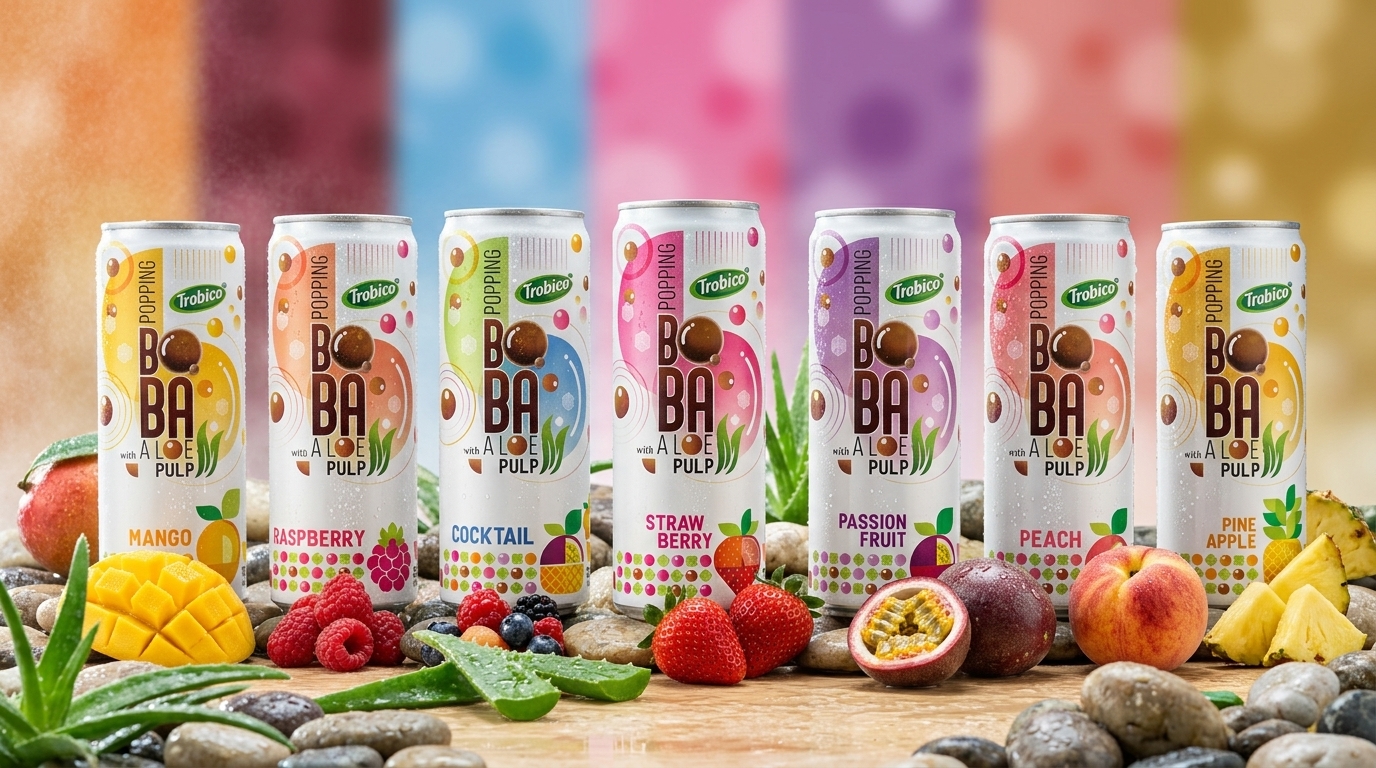
- Strategic branding and portfolio diversification, as seen with established manufacturers like RITA launching sub-brands like Trobico, are key to capturing different market segments.
- Export potential is immense, especially in regions with growing Asian food influence, but requires a deep understanding of local compliance, logistics, and consumer preferences.
- Success in the bubble tea market hinges on a trifecta of authentic flavor, scalable production, and agile distribution networks.
Decoding the Consumer Shift: Why Bubble Tea is More Than a Trend
Bubble tea's journey from a Taiwanese specialty to a global staple is a masterclass in consumer-driven growth. The modern beverage consumer, particularly younger demographics, prioritizes experience alongside consumption. The tactile enjoyment of tapioca pearls, the visual appeal of layered drinks, and the highly shareable nature of the product make it a perfect fit for the social media era.
This demand for experiential consumption has created a ripe environment for innovation. While traditional store-made bubble tea offers customization, it faces limitations in scale and accessibility. This gap is precisely where the ready-to-drink segment shines, offering consistent quality and immediate convenience.
For businesses, this signals a shift from viewing bubble tea as a mere beverage to treating it as a scalable consumer packaged good (CPG) with significant retail potential.
The Production and Scalability Advantage of RTD Formats
Scaling a product known for its fresh preparation presents unique challenges. The solution lies in advanced production lines capable of replicating the essential sensory experience—flavor, texture, and consistency—in a shelf-stable format. Modern manufacturing focuses on preserving authentic fruit notes, like strawberry, and ensuring the integrity of components like bubbles or jellies throughout the product's lifecycle.
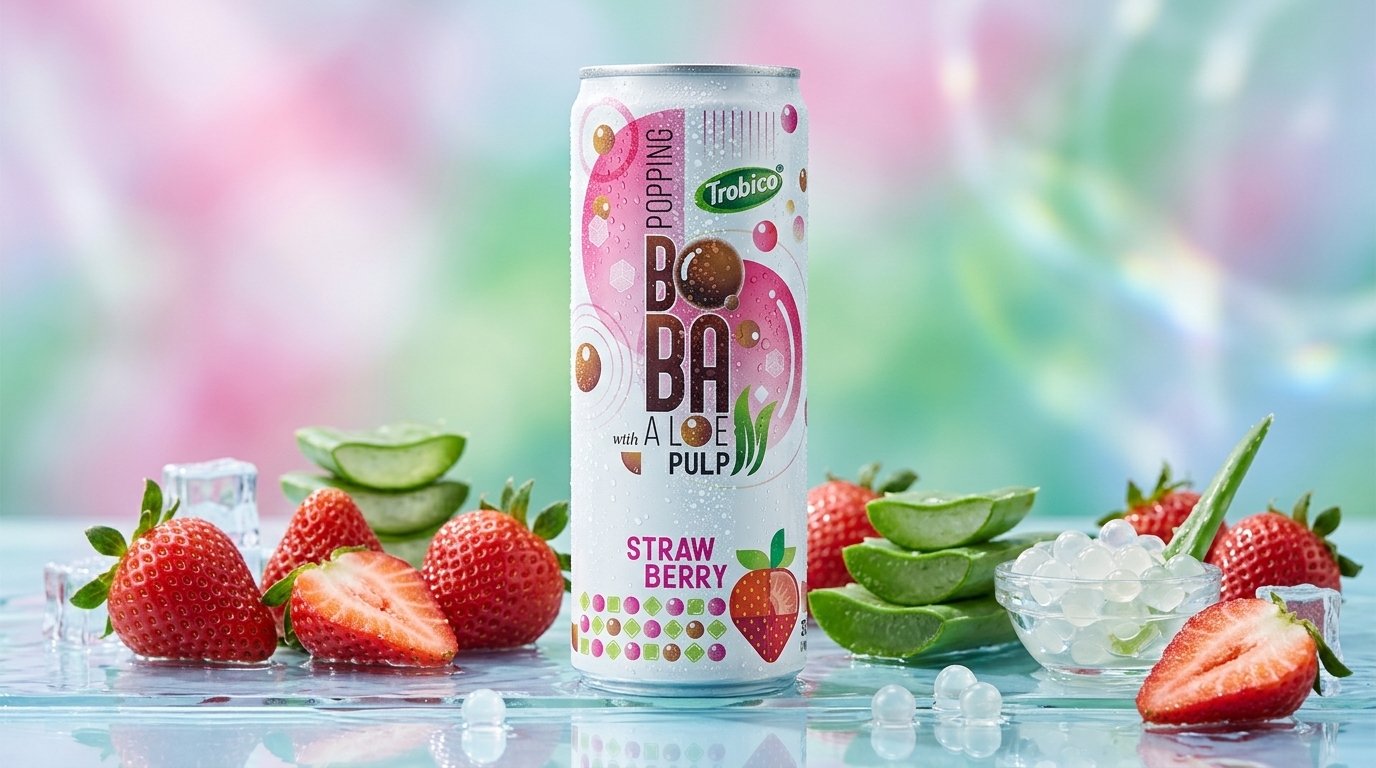
This technical prowess enables brands to meet the volume demands of international distribution. A product like the 320ml Aluminum Can Delicious Strawberry Flavored Bubble Tea exemplifies this approach. By offering a beloved flavor in a portable, durable aluminum can, it transforms a café-centric product into one suitable for supermarkets, convenience stores, and vending machines.
The choice of aluminum packaging is strategic. It offers superior protection for sensitive flavors, is lightweight for shipping, and aligns with growing consumer and regulatory preferences for recyclable materials. For distributors, this means a product that is easier to logistically handle, store, and merchandise.
Brand Architecture and Market Positioning: Lessons from Industry Players
The strategic moves of established manufacturers offer valuable insights. Take RITA, a known beverage producer, which operates the brand Trobico alongside its flagship. This brand architecture allows a company to segment its market approach effectively.
A master brand like RITA can signify trust, scale, and manufacturing excellence to B2B partners. A sub-brand like Trobico can be leveraged to target specific consumer moods, occasions, or price points within the broader bubble tea or flavored tea category. This allows for focused marketing and clearer shelf positioning without diluting the master brand's equity.
For an importer or wholesaler, partnering with a manufacturer that demonstrates this level of strategic branding indicates a partner with market awareness and a long-term vision for category growth.
Distribution Channels: From Specialty to Omnichannel Presence
The real growth for bubble tea lies in its migration from a destination drink to an impulse and pantry staple. This requires a multi-channel distribution strategy.
- Traditional Retail (Grocery & Convenience): RTD cans and bottles allow bubble tea to compete directly with other teas, juices, and soft drinks. Eye-catching design and clear flavor communication are vital for shelf standout.
- Foodservice & HORECA: Hotels, restaurants, and cafes can offer canned bubble tea as a premium, consistent side option without the need for specialized equipment or training.
- Specialty Asian Grocers: These remain crucial for authenticity and for reaching core consumer bases, acting as trend incubators.
- E-commerce & D2C: Online platforms allow for the sale of multi-packs, subscription models, and direct consumer engagement, providing valuable data on purchasing habits.
Each channel demands different logistics, pricing, and promotional support. A versatile product format is the first step in enabling this omnichannel approach.
Navigating Export Complexities and Seizing Global Opportunities
The export potential for bubble tea is vast, particularly in North America, Europe, and parts of Southeast Asia where the trend is still gaining momentum. However, success requires navigating a complex landscape.
First and foremost is regulatory compliance. Adhering to FDA standards and equivalent international food safety regulations is non-negotiable. This includes meticulous ingredient listing, nutritional labeling, and adherence to permissible food additives. All product descriptions and marketing must be neutral, focusing solely on flavor and experience, as seen with compliant product listings that highlight taste and format without making functional claims.
Second is understanding local taste preferences. While classic flavors like strawberry have universal appeal, sweetness levels and texture preferences can vary. Offering a product like the strawberry-flavored bubble tea provides a safe, widely appealing entry point into a new market.
Finally, building a reliable supply chain is critical. Partnering with a manufacturer that has robust production lines ensures consistent quality and volume, which is the foundation of any successful export business. The ability to reliably supply a popular item is what turns a market test into a long-term, profitable venture.
The Future Outlook: Innovation and Sustained Growth
The bubble tea market shows no signs of slowing. Future growth will be fueled by continuous flavor innovation (e.g., exotic fruit fusions, dessert-inspired profiles), health-adjacent formulations (though marketed strictly for taste, not function), and packaging advancements. Sustainability will also play a larger role, influencing material choices and supply chain decisions.
For B2B stakeholders, the opportunity is clear. The category is moving from a fragmented, artisanal model to a consolidated, scalable CPG segment. The winners will be those who secure partnerships with capable manufacturers, develop agile distribution networks, and maintain a pulse on the ever-evolving consumer palate. Products that successfully bridge the gap between authentic experience and commercial practicality, such as conveniently canned flavored bubble teas, are poised to lead this charge.
Exploring a well-executed example of this ready-to-drink format can provide concrete insight into the category's potential. The Delicious Strawberry Flavored Bubble Tea in a 320ml can represents a tangible solution aligning with these major market trends.



 No.08, Thong Nhat Boulevard,