The global beverage landscape is undergoing a profound transformation. Driven by shifting consumer preferences, environmental consciousness, and a demand for diverse flavor experiences, the plant-based milk sector has emerged as a powerhouse of growth. For importers, distributors, and F&B businesses, this shift represents a significant commercial opportunity. Understanding the underlying market dynamics, from evolving consumer behavior to innovative distribution channels, is key to capitalizing on this trend. This analysis delves into the forces shaping the industry and explores the practical implications for businesses looking to expand their portfolios with products that align with contemporary demand.
Key Takeaways
- The global plant-based milk market is experiencing sustained growth, driven by lifestyle diversification and not just dietary necessity.
- Innovation in flavor profiles, such as the incorporation of traditional ingredients like horchata and morro seed, is a key differentiator in a crowded marketplace.
- Strategic distribution, including B2B channels like HORECA and modern retail, is critical for market penetration of new beverage categories.
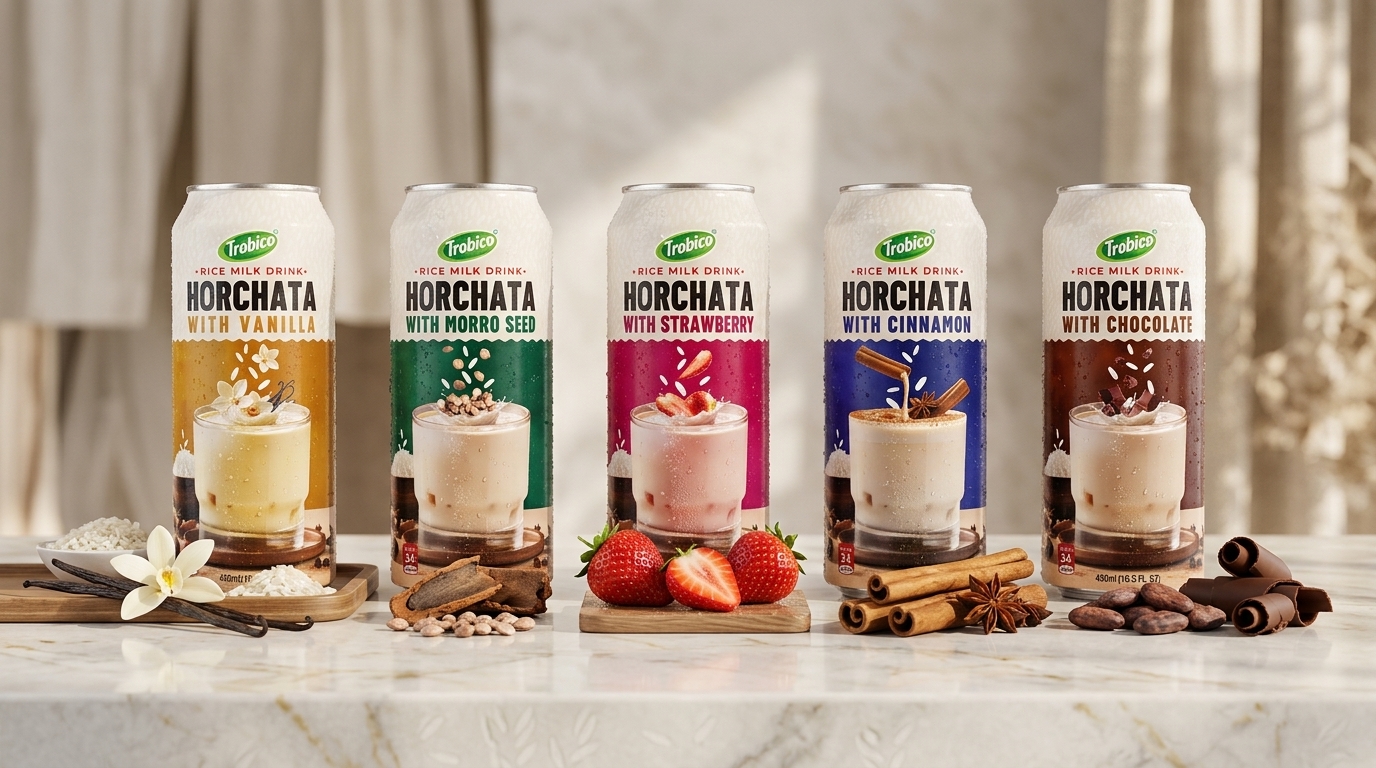
- Products like the Trobico Rice Milk Drink exemplify how brands are blending heritage recipes with modern convenience for global appeal.
- Export opportunities are expanding as regional taste profiles gain international acceptance, creating new avenues for importers.
Decoding the Consumer Shift: Beyond Allergy and Intolerance
The initial driver for plant-based milks was often dietary restriction. Today, the consumer base has dramatically broadened. The modern consumer is motivated by a complex mix of factors including curiosity, ethical sourcing, environmental sustainability, and a desire for culinary exploration.
This is no longer a niche market. It's a mainstream movement. Beverage choices are increasingly seen as an expression of personal identity and values. For distributors, this means the target audience is no longer limited to a small segment but encompasses a wide demographic, from health-conscious millennials to adventurous Gen Z consumers and even older generations seeking variety.
The demand is for taste and experience first. While the foundational reason for purchase may vary, the product must deliver on flavor and mouthfeel. This has pushed manufacturers to move beyond basic soy or almond milk into more sophisticated and culturally-inspired blends.
Innovation in Flavor and Formulation: The New Competitive Frontier
As the market matures, simple alternatives are no longer enough. The next wave of growth is fueled by innovative formulations that offer unique taste experiences. This is where products rooted in global culinary traditions find a powerful entry point.
Take, for example, the concept of horchata. This traditional beverage, with variations across Latin America and Spain, is typically based on rice, nuts, or seeds and is known for its creamy, subtly spiced, and refreshing profile. It represents a ready-made flavor concept with high consumer appeal that is now being adapted for the mass market in convenient formats like shelf-stable cans.
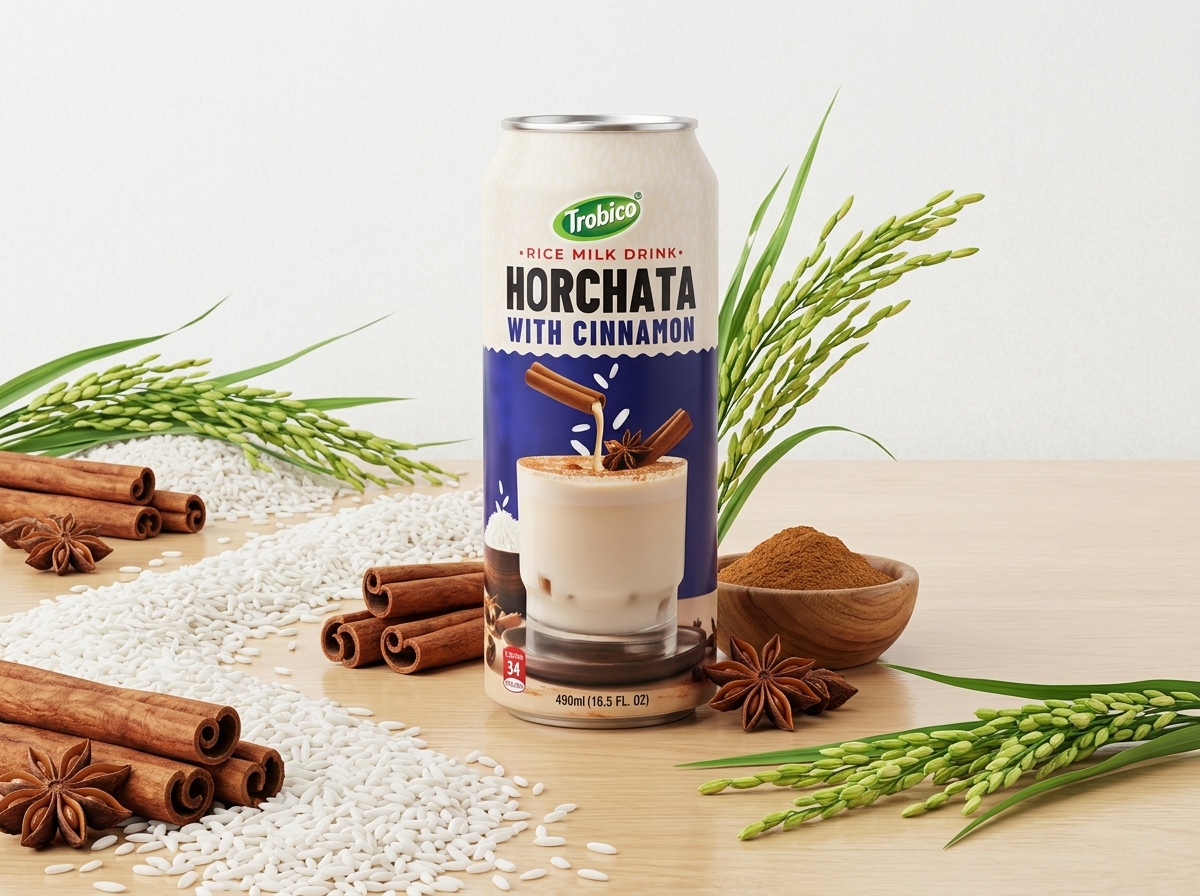
The addition of ingredients like morro seed adds another layer of uniqueness, tapping into the trend for authentic and less common botanical components. For an importer, offering such a product provides a point of differentiation in a portfolio. It’s not just another plant milk; it’s a specific flavor experience with a story. A product like Trobico's offering in this segment demonstrates how a brand under an established manufacturer like RITA can leverage production expertise to bring such niche flavors to a wider, commercial scale.
Production and Scalability: Lessons from Established Manufacturers
Brands operating under the umbrella of large-scale producers, such as Trobico under RITA, possess a significant advantage: proven production lines and quality control systems. For a wholesaler or distributor, this translates to supply chain reliability and consistent product quality—non-negotiable factors in building a sustainable business.
The ability to produce a consistent rice milk drink in a 16.5 Fl Oz can format speaks to advanced manufacturing capabilities. The canned format itself is a strategic choice, offering durability for logistics, extended shelf life, and a modern, portable appeal that fits active lifestyles and on-the-go consumption.
Strategic Distribution Channels: From Retail to HORECA
Identifying the right route to market is paramount. The distribution strategy for a specialty plant-based beverage differs from that of a mainstream soft drink.
- Modern Retail & Specialty Stores: Gourmet supermarkets, health food stores, and international aisles in large chains are ideal launchpads. Here, consumers are actively seeking new and authentic products.
- The HORECA Channel (Hotel/Restaurant/Cafe): This represents a massive opportunity. Cafes can use unique plant-based milks as a base for specialty lattes. Restaurants, especially those with Latin, fusion, or vegan menus, can offer it as a premium non-dairy beverage option. Hotels can include it in minibars or breakfast buffets to cater to diverse guest preferences.
- B2B & Foodservice: Supplying caterers, corporate cafeterias, and university dining halls allows for volume sales and introduces the product to a captive audience.
- E-commerce & Direct-to-Consumer: While challenging for perishables, the shelf-stable nature of canned drinks makes them perfectly suited for online sales platforms, allowing importers to reach geographically dispersed customers.
Effective placement requires educating channel partners about the product's unique selling proposition—its flavor profile and cultural heritage—rather than just its category.
Export Markets and Global Opportunities
The globalization of taste is a defining trend of our era. Flavors once considered exotic are now sought after in metropolitan centers worldwide. This opens significant export potential for beverages that offer an authentic taste of another culture.
For Asian markets, a product like a horchata-style rice drink presents a familiar base (rice) with a novel twist (cinnamon and morro seed). For Western markets, it offers an authentic alternative to mainstream plant milks. The key for exporters is to understand local import regulations, labeling requirements, and taste preferences to position the product correctly.
Successful importers act as cultural and culinary bridges. They don't just move goods; they introduce new consumption experiences. Partnering with a manufacturer that has a diverse brand portfolio, like RITA with its RITA and Trobico brands, can provide a stream of innovative products that keep an import business at the forefront of trends.
The Role of Packaging and Brand Narrative
In a competitive shelf space, packaging does more than protect; it communicates. The design, imagery, and copy must tell the product's story quickly and effectively. Highlighting key ingredients like "Rice Milk," "Horchata," and "Morro Seed" immediately informs the curious consumer.
For businesses, the narrative around a product like the Trobico Horchata drink becomes a sales tool. It allows retailers and foodservice operators to present it not just as a beverage, but as a mini culinary journey—a point of differentiation that can command a premium price and enhance menu offerings.
Conclusion: Building a Future-Proof Portfolio
The beverage industry's future is inclusive, diverse, and experiential. For stakeholders across the supply chain—from manufacturers to end retailers—success hinges on the ability to anticipate and serve these evolving demands. Products that successfully marry tradition with convenience, and uniqueness with quality, are poised to capture market share.
The growth of plant-based alternatives is a segment ripe with possibility. By focusing on market insights, strategic distribution, and compelling product stories like those embodied in new-generation offerings, businesses can tap into a vibrant and expanding global market. The opportunity lies not just in selling a drink, but in delivering a new and welcome taste experience to a world of eager consumers.
Frequently Asked Questions
What is driving the growth of the plant-based milk market beyond health reasons?
The growth is now largely driven by lifestyle diversification, environmental concerns, ethical consumption, and a strong consumer desire for novel and authentic flavor experiences. It has transitioned from a niche dietary solution to a mainstream choice.
Why are culturally-inspired flavors like horchata becoming popular in global markets?
There is a growing consumer appetite for authentic global tastes. Flavors like horchata offer a familiar concept (creamy, spiced beverage) with an exotic twist, satisfying the demand for culinary adventure and differentiation in a crowded plant-based category.
What are the key distribution channels for specialty plant-based beverages?
Key channels include modern retail (especially gourmet and international sections), the HORECA sector (cafes, restaurants, hotels), B2B foodservice, and e-commerce. The shelf-stable canned format is particularly advantageous for logistics and online sales.
How important is manufacturer reliability for importers in this category?
It is critical. Partnering with manufacturers like RITA, which have established production lines for brands such as Trobico, ensures consistent quality, reliable supply, and scalability—essential factors for building a sustainable import and distribution business.
What should a business look for when adding a plant-based beverage to its portfolio?
Focus on products that offer a clear point of differentiation through unique flavor profiles, high-quality ingredients, and compelling branding. Consider the product's suitability for your target channels and its alignment with current consumer trends towards authenticity and experience.



 No.08, Thong Nhat Boulevard,