The Growing Demand for Sleek Can Beverages: Global Market Insights for Importers and Distributors
The global beverage industry is undergoing a significant transformation, driven by evolving consumer preferences, innovative packaging, and dynamic supply chain demands. For B2B players—importers, distributors, and F&B businesses—understanding these shifts is crucial for capitalizing on emerging opportunities. One segment demonstrating remarkable growth is the ready-to-drink (RTD) category, particularly products housed in modern, sleek can formats that blend fruit and vegetable profiles.
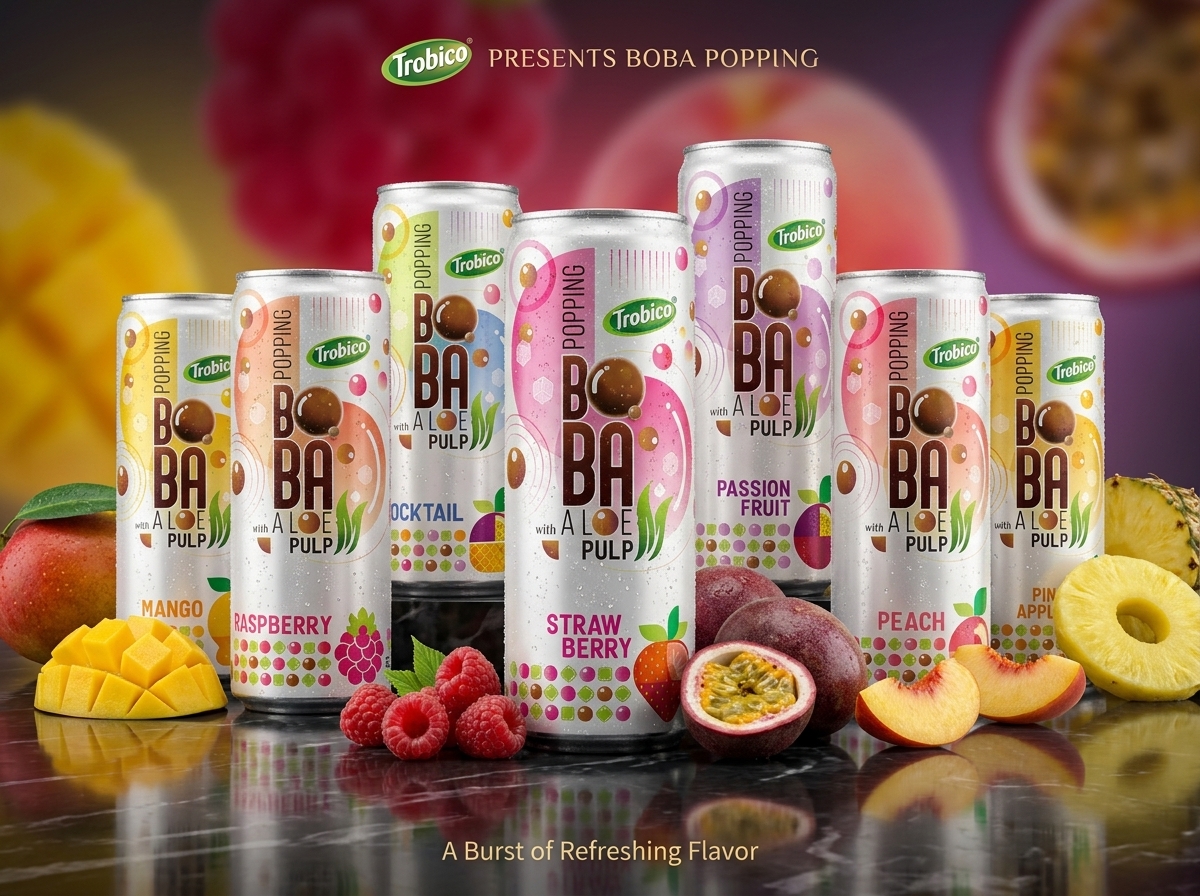
Key Takeaways
- The global market for sleek can beverages is expanding rapidly, fueled by portability and premium perception.
- Consumer demand for novel flavor experiences, such as mixed vegetable and fruit combinations, is creating new niches.
- Efficient wholesale and distribution strategies are key to capturing value in the competitive RTD sector.
- Export opportunities are growing in emerging markets where modern retail and e-commerce are rising.
- Brands like Trobico, under established manufacturers such as RITA, exemplify the production capability meeting these market trends.
Decoding the Sleek Can Phenomenon in Beverage Packaging
Packaging is no longer just a container; it's a critical marketing tool and a driver of consumer choice. The shift from traditional bulky cans to slim, lightweight sleek can designs represents a major trend. This format appeals to on-the-go consumers seeking convenience without sacrificing aesthetic appeal.
For distributors, the 320ml sleek can offers logistical advantages. Its compact size allows for higher density in shipping containers and warehouse shelves, optimizing storage and transportation costs. This efficiency is paramount for businesses operating on thin margins in the wholesale sector.
Consumer Trends: The Rise of Flavor Fusion and Experiential Drinking
Modern consumers, especially in urban and younger demographics, are adventurous. They seek products that offer a unique taste experience. The convergence of fruit and vegetable flavors in a single beverage caters to this desire for novelty.
It moves beyond single-note juices. This trend is not about health claims but about delivering a complex, layered, and refreshing taste profile. It aligns with the global culinary trend of fusion, translating it into the beverage aisle. For a product that exemplifies this fusion approach, the market response in hospitality and retail channels has been notably positive.
Strategic Implications for HORECA and Retail
In the Hotel, Restaurant, and Cafe (HORECA) sector, presentation is everything. A sleek can beverage on a table or at a minibar conveys a sense of modernity and quality. It serves as an attractive, ready-to-serve option that reduces preparation time and ensures consistency.
For retail, these products often occupy premium shelf space, attracting impulse buys. Their visual distinctiveness helps them stand out in a crowded cold case. This makes them a valuable SKU for distributors looking to enhance their portfolio with high-turnover, high-margin items.
B2B Distribution and Wholesale Dynamics in the RTD Sector
The backbone of the beverage industry is its distribution network. Success in wholesale hinges on several factors: reliable supply, consistent quality, and adaptable logistics. Partnering with manufacturers that have robust production lines ensures scalability to meet fluctuating demand, from regional distributors to large international importers.
Established entities like RITA, with its brand Trobico, bring manufacturing expertise and supply chain reliability to the table. This is a critical consideration for B2B buyers who cannot afford stockouts or quality inconsistencies. Sourcing a wholesale-ready product from such sources mitigates operational risk.
Export Opportunities and Navigating International Markets
The demand for innovative beverages is not confined to developed markets. Rapid urbanization in Southeast Asia, the Middle East, and parts of Africa is creating fertile ground for imported RTD products. Key success factors for exporters include:
- Understanding Local Tastes: While fusion is global, slight tweaks in sweetness or flavor balance may be needed.
- Regulatory Compliance: Adhering to local food and beverage regulations, including labeling and ingredient standards.
- Building Distribution Partnerships: Identifying reliable in-country partners is essential for market penetration.
The sleek can format, often associated with international premium brands, can command a higher price point in these emerging markets, offering attractive margins.
The Role of Established Manufacturing in Global Supply
For importers, the provenance of a product matters. Manufacturers with a track record, such as RITA, signal quality control and production capacity. Their ability to run efficient production lines for items like mixed vegetable and fruit drinks means they can fulfill large, consistent orders—a non-negotiable for serious B2B partnerships.
This manufacturing prowess directly translates to a stable supply of products like the 320ml sleek can line, enabling distributors to plan their inventory and marketing campaigns with confidence.
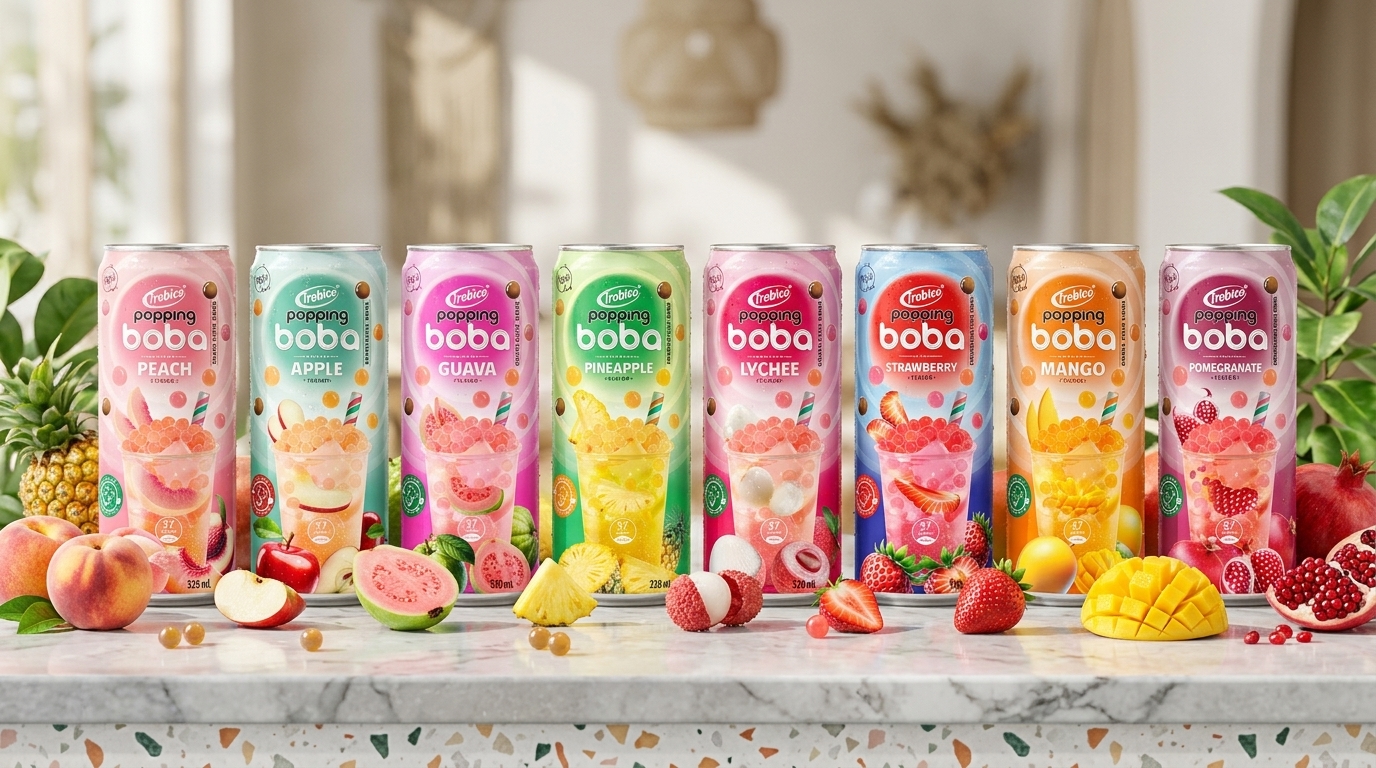
Future Outlook: Sustainability and Digital Integration
Looking ahead, two forces will shape the sleek can beverage market. First, sustainability pressures are pushing for more recyclable materials and efficient packaging-to-content ratios, an area where aluminum cans already excel. Second, digital integration through QR codes or smart packaging for supply chain transparency and consumer engagement will become more prevalent.
For wholesalers and distributors, aligning with suppliers who are proactive in these areas will future-proof their business. It's about selling not just a beverage today, but a product platform ready for tomorrow's market demands.
Frequently Asked Questions
What is driving the popularity of sleek can formats in beverages?
The popularity is driven by a combination of consumer preference for modern, portable, and visually appealing packaging, and business advantages like better logistics efficiency, higher shelf-impact, and a premium market perception that supports stronger margins for retailers and distributors.
Why are mixed vegetable and fruit drinks becoming a trend?
This trend stems from consumer desire for novel and complex flavor experiences. It reflects broader culinary trends of fusion and offers a point of differentiation in a saturated market, appealing to adventurous drinkers without relying on functional or health-related messaging.
What should B2B buyers look for in a beverage supplier for wholesale?
Key factors include proven manufacturing capacity and consistent quality control (evidenced by established production lines), reliability in supply chain and order fulfillment, flexibility in order sizes, and a product portfolio that aligns with current market trends, such as innovative packaging and flavors.
Are there specific export challenges for ready-to-drink beverages?
Yes, primary challenges include navigating diverse and often complex international food regulations, managing extended supply chains to ensure product integrity, adapting to local taste preferences, and establishing a reliable in-country distribution network to effectively reach the market.
How important is the brand behind a private label or wholesale product?
Extremely important. An established brand or manufacturer, like Trobico from RITA, acts as a mark of quality and reliability. It assures B2B clients of professional production standards, scalability, and business stability, which reduces risk in long-term supply agreements.



 No.08, Thong Nhat Boulevard,