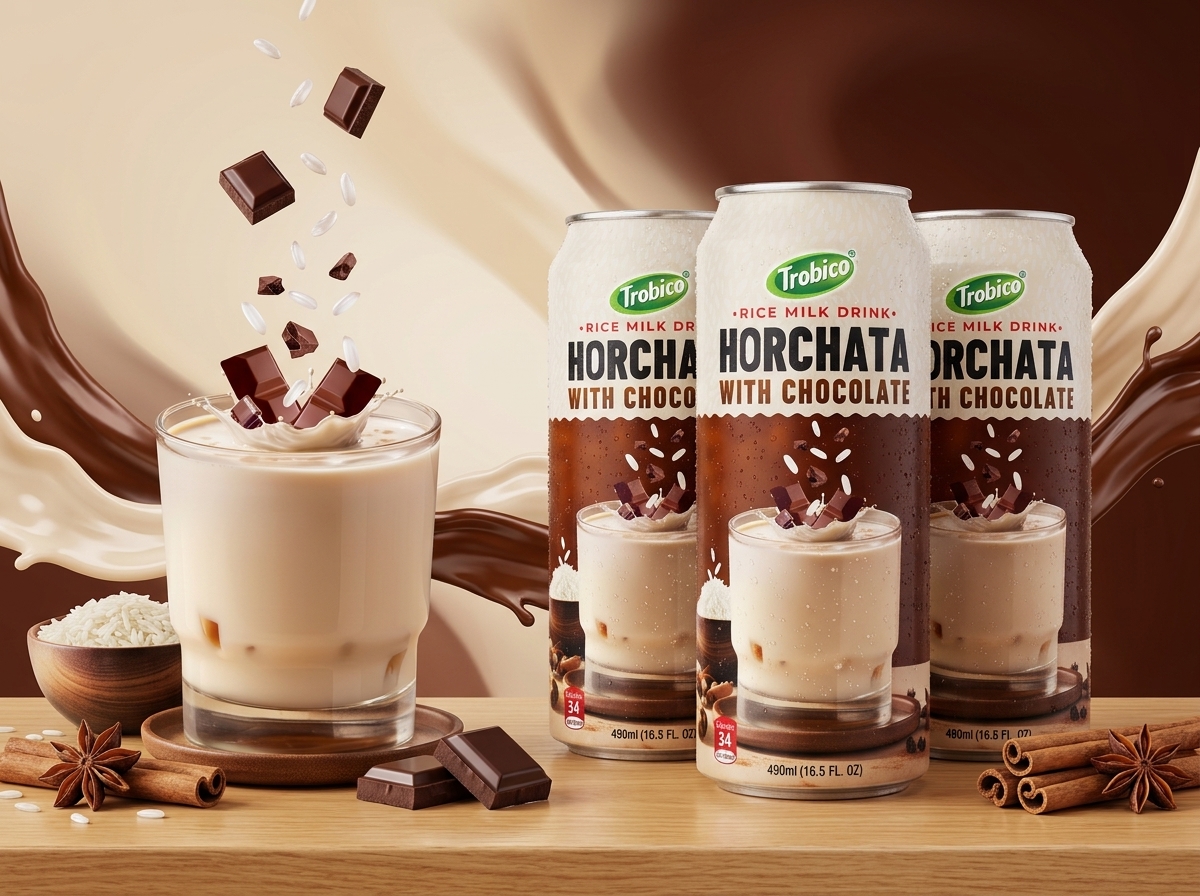
The global beverage landscape is undergoing a seismic transformation. Driven by evolving consumer values, environmental consciousness, and a relentless pursuit of novel taste experiences, the market is pivoting decisively towards plant-based alternatives. This isn't a fleeting trend but a fundamental restructuring of the F&B sector, creating unprecedented opportunities for importers, distributors, and HORECA businesses. At the forefront of this movement are innovative products that cater to these new demands, such as the Trobico Rice Milk Drink Horchata With Chocolate, a prime example of how traditional flavors are being reimagined for the modern, global palate.
Key Takeaways
- The global plant-based beverage market is experiencing robust growth, driven by health, sustainability, and ethical consumerism.
- Innovation in flavor fusion, like combining horchata with chocolate, is key to capturing market share and appealing to adventurous consumers.
- Ready-to-drink (RTD) formats in convenient packaging, such as 16.5 Fl Oz cans, are essential for success in both retail and foodservice channels.
- Strategic sourcing from established manufacturers with strong production lines, like RITA's brand Trobico, mitigates risk for B2B buyers.
- Understanding and leveraging these global beverage market trends is critical for businesses looking to expand their portfolio and drive revenue.
Decoding the Drivers Behind the Plant-Based Surge
The shift away from traditional dairy is multifaceted. While individual dietary choices like lactose intolerance or veganism play a role, the core drivers are broader. Consumers are increasingly making purchase decisions based on a product's environmental footprint and ethical production standards. Plant-based beverages generally require less water and land and generate lower greenhouse gas emissions than dairy milk, aligning with the values of a growing eco-conscious demographic.
Furthermore, the demand for variety and 'clean label' products is insatiable. Modern consumers seek transparency in ingredients and are drawn to options perceived as less processed. This has propelled alternatives like almond, oat, soy, and rice milk into the mainstream. Rice milk, in particular, offers a naturally sweet, hypoallergenic profile, making it a versatile base for a wide range of flavor innovations.
Flavor Innovation as a Competitive Edge
In a crowded marketplace, differentiation through taste is paramount. The most successful brands are those that move beyond mimicking dairy and instead offer unique, authentic flavor experiences. This is where global culinary traditions become a rich source of inspiration. Horchata, a traditional Spanish and Latin American beverage made from rice, cinnamon, and vanilla, represents a perfect case study.
By fusing this beloved classic with universally appealing chocolate, products create a novel yet familiar taste profile. This strategy of flavor fusion caters to the adventurous consumer while maintaining broad appeal. For distributors, such innovative SKUs can attract new customer segments and increase basket size. The Trobico Horchata with Chocolate drink exemplifies this approach, offering a ready-to-drink version of a culturally rich flavor combination that is gaining international traction.
The RTD Revolution and Packaging Strategy
The convenience of Ready-to-Drink formats cannot be overstated. They dominate impulse purchases, vending machine sales, and are integral to on-the-go consumption. For the HORECA sector, RTD beverages in single-serve packaging streamline operations, reduce waste, and offer consistent portion control. The choice of a 16.5 Fl Oz can is strategic; it's a substantial volume that satisfies, is easy to handle and stock, and aligns with the packaging trends popular in many export markets.
This format is ideal for cafes offering alternative milk options, hotel minibars seeking premium non-alcoholic choices, or restaurants looking for a distinctive non-alcoholic beverage to complement their menu. The portability and shelf-stability of canned drinks also make them a strong candidate for convenience stores and specialty food retailers.
Strategic Sourcing and Supply Chain Considerations for B2B
For importers and wholesalers, product consistency, reliable supply, and manufacturing credibility are as important as the product itself. Partnering with brands backed by robust production infrastructure is a critical risk mitigation strategy. Trobico, as a brand under the established manufacturer RITA, benefits from the parent company's expertise and production lines dedicated to beverage manufacturing.
This assures B2B clients of standardized quality, scalability to meet large orders, and adherence to international food safety standards—a non-negotiable aspect of global trade. When evaluating new products for your portfolio, the strength and reputation of the manufacturing partner are key due diligence points that directly impact your business's reliability and reputation.
Global Market Opportunities and Export Potential
The appetite for novel, plant-based beverages is not confined to North America or Europe. Asia-Pacific, the Middle East, and Latin America are emerging as high-growth markets. In regions where dairy consumption is not historically high, or where lactose intolerance is prevalent, plant-based drinks face less cultural resistance and are often seen as modern, premium offerings.
Products that blend global flavors, like a horchata-inspired drink, have a unique advantage. They can be marketed as an authentic taste experience from another culture, appealing to consumers seeking international gourmet options. For exporters, identifying these cross-cultural flavor bridges is a powerful strategy. A product like the Trobico Rice Milk Drink serves as a tangible example of a beverage with strong export potential due to its unique flavor profile and alignment with global plant-based trends.
Building a Winning Portfolio for the Future
Forward-thinking distributors and wholesalers are curating their beverage portfolios with a mix of staples and innovators. The inclusion of products that tap into the plant-based, flavor-forward, and convenience trends is no longer optional; it's a business imperative. These products drive foot traffic, cater to evolving dietary preferences, and command higher margins due to their perceived premium and innovative nature.
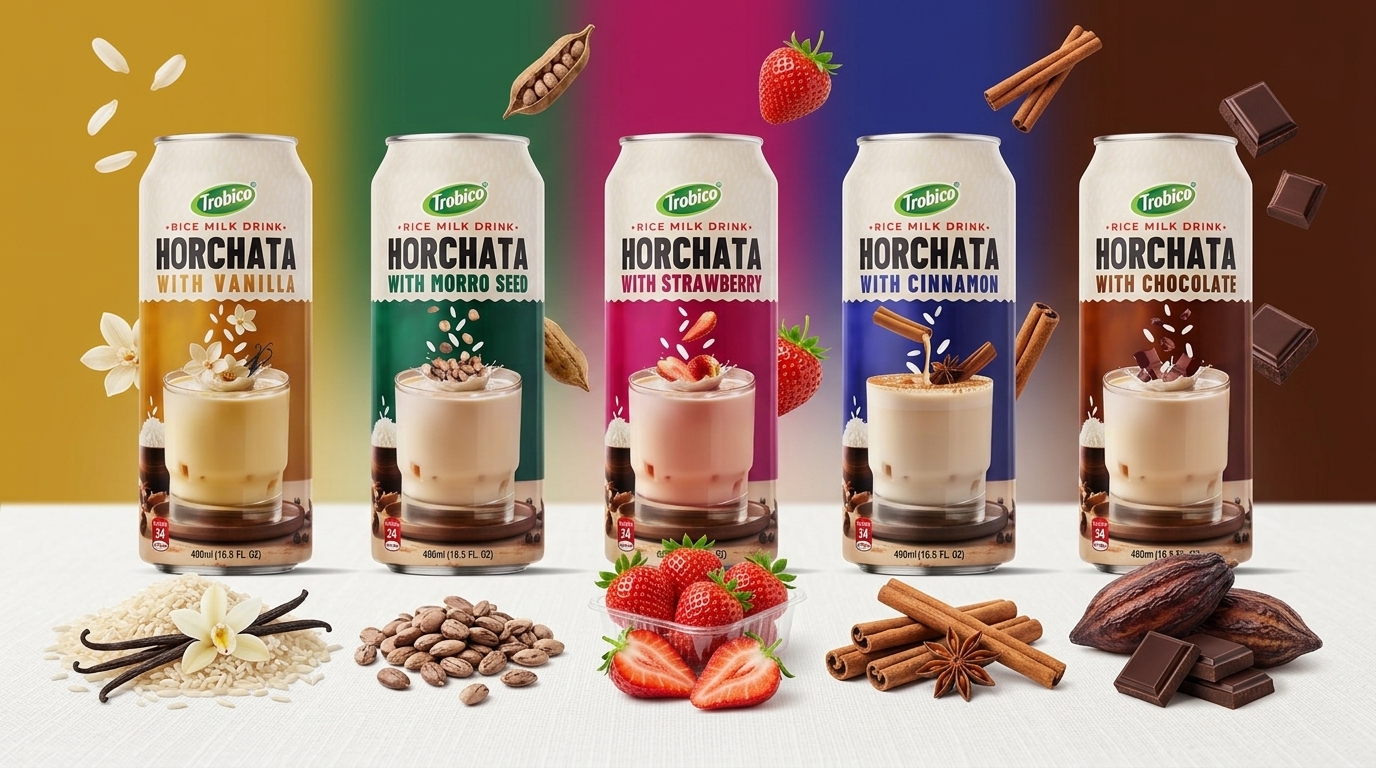
- Diversify within plant-based: Don't just stock one type. Offer a range from oat to rice to almond-based drinks.
- Prioritize flavor innovation: Look for products that offer unique taste experiences beyond plain varieties.
- Emphasize format convenience: Stock RTD formats in sizes suitable for both single-serve retail and foodservice use.
- Verify manufacturing pedigree: Ensure your suppliers have the production capacity and quality controls to support your business growth.
The trajectory of the beverage industry is clear. Success belongs to those who understand the underlying consumer shifts and source products that are not just beverages, but solutions to modern consumer desires. Exploring innovative offerings from established manufacturers is a prudent step in future-proofing any F&B business.
Frequently Asked Questions
What is driving the growth of the plant-based beverage market?
The growth is fueled by a combination of factors including increased consumer focus on health and wellness, rising environmental and ethical concerns regarding animal agriculture, growing rates of lactose intolerance, and continuous product innovation that improves taste and variety.
Why are RTD (Ready-to-Drink) formats so important for distributors?
RTD formats offer maximum convenience, which drives high volume sales in retail (like convenience stores and supermarkets) and is essential for the HORECA channel. They require no preparation, have a longer shelf life, and are perfect for on-the-go consumption, making them a reliable and fast-moving category for business.
How can a product like horchata with chocolate appeal in international markets?
It acts as a flavor bridge. It introduces consumers to a traditional flavor (horchata) in an accessible way by combining it with a globally loved taste (chocolate). This reduces the perceived risk for the consumer trying something new and allows the product to be positioned as both authentic and innovative.
What should B2B buyers look for in a plant-based beverage supplier?
Key factors include the manufacturer's production capacity and consistency, compliance with international food safety and labeling standards (like FDA regulations), ability to provide necessary export documentation, scalability to meet demand, and the overall innovation and strength of their brand portfolio.
Are plant-based beverages only a niche market for health food stores?
Absolutely not. Plant-based beverages have decisively moved into the mainstream. They are now staple offerings in major supermarkets, ubiquitous in coffee shops worldwide, and featured on menus across all segments of the foodservice industry, from fast-casual to fine dining.



 No.08, Thong Nhat Boulevard,