Key Takeaways
- The bulk juice packaging segment is experiencing robust growth, fueled by demand from the HORECA sector and value-conscious consumers.
- Material innovation, particularly in durable and sustainable plastics like PP (Polypropylene), is critical for modern supply chains and export viability.
- Products with texture, such as those containing pulp, align with premiumization trends and sensory-driven consumption.
- Strategic branding and portfolio diversification, as seen with established manufacturers like RITA and their bulk juice packaging brand Trobico, are key to capturing diverse market segments.
- Export opportunities for Asian beverage manufacturers are expanding, especially for products meeting international packaging and quality standards.
Market Dynamics: The Shift Towards Bulk and Value
The post-pandemic landscape has reshaped the beverage industry. There is a pronounced pivot towards larger pack sizes, particularly in the 1-liter range. This trend is multifaceted, driven by both economic considerations and changes in consumption venues.
For the HORECA (Hotel, Restaurant, Cafe) sector, bulk packaging offers improved operational efficiency. It reduces packaging waste per serving, simplifies inventory management, and often provides a better cost-per-unit ratio. This is crucial for businesses managing tight margins while needing to supply consistent, quality beverages.
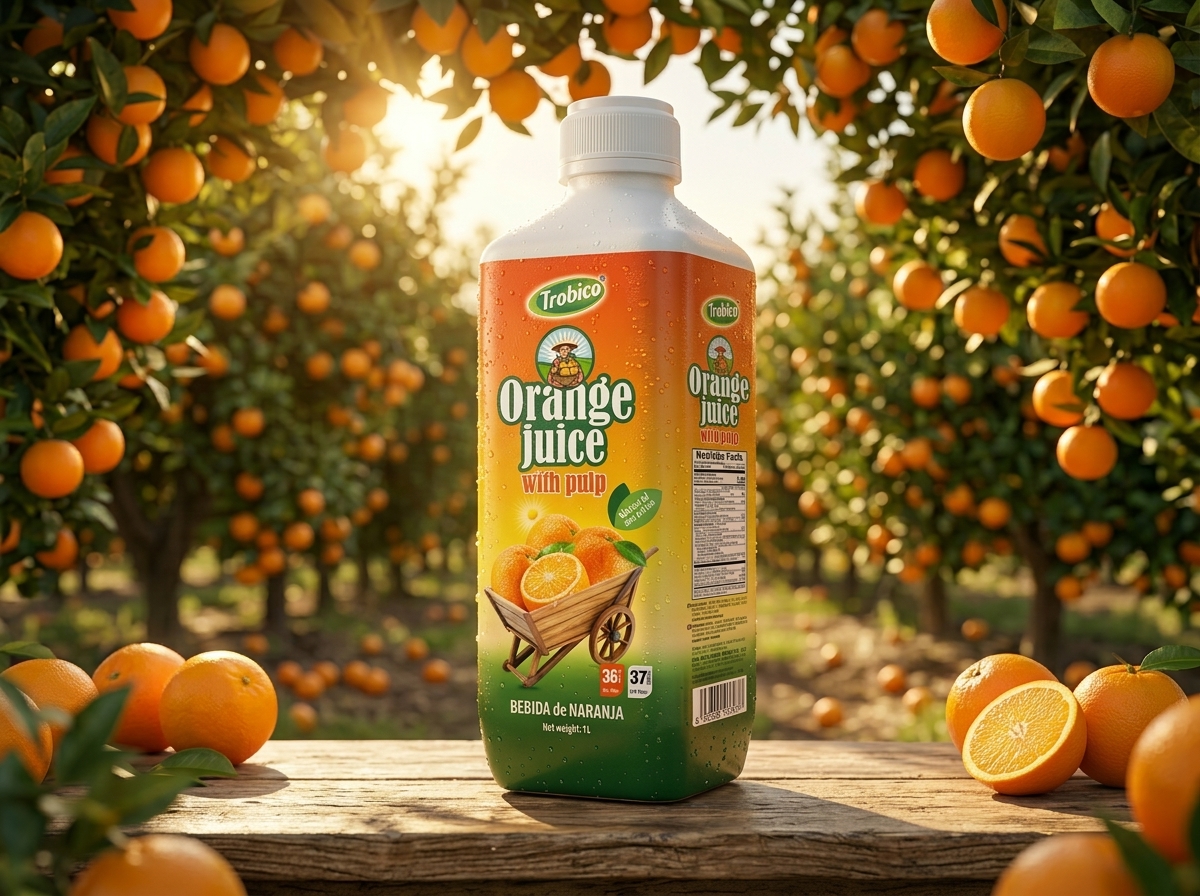
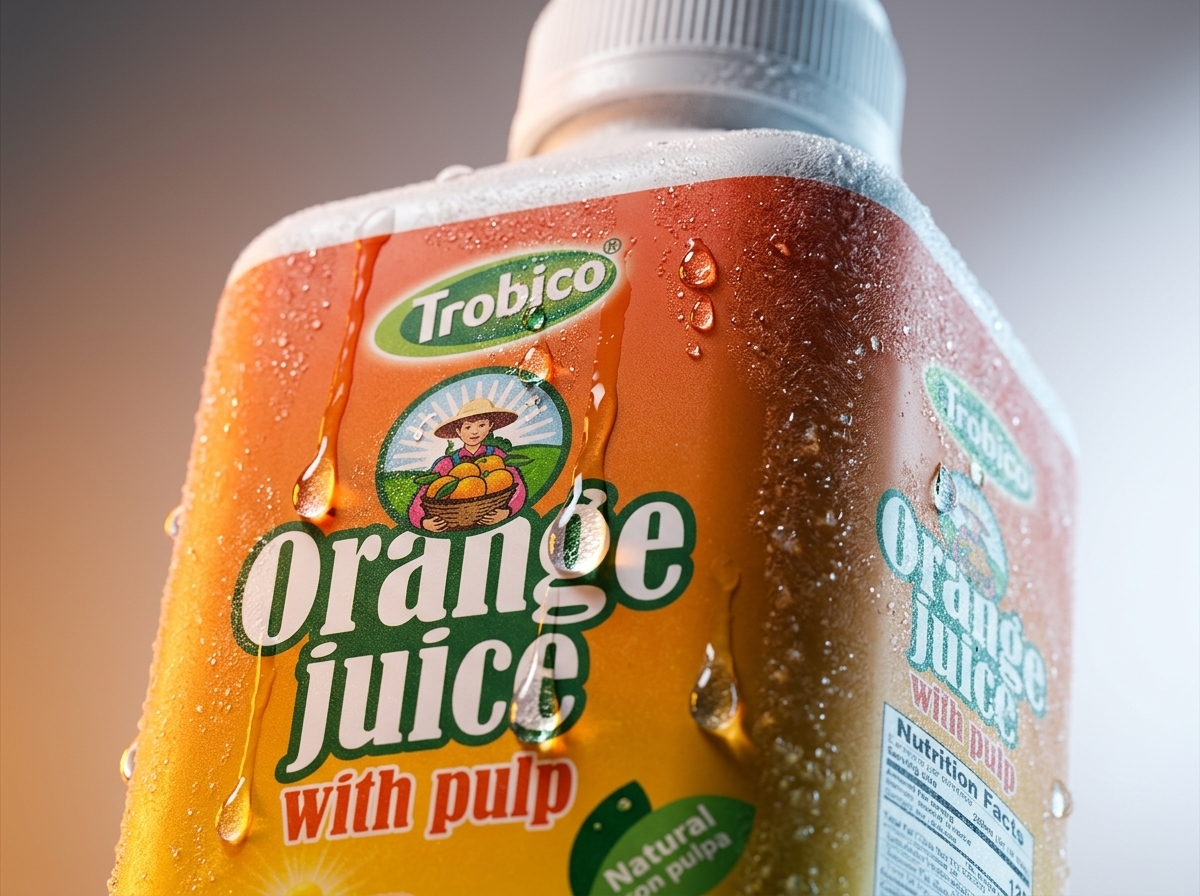
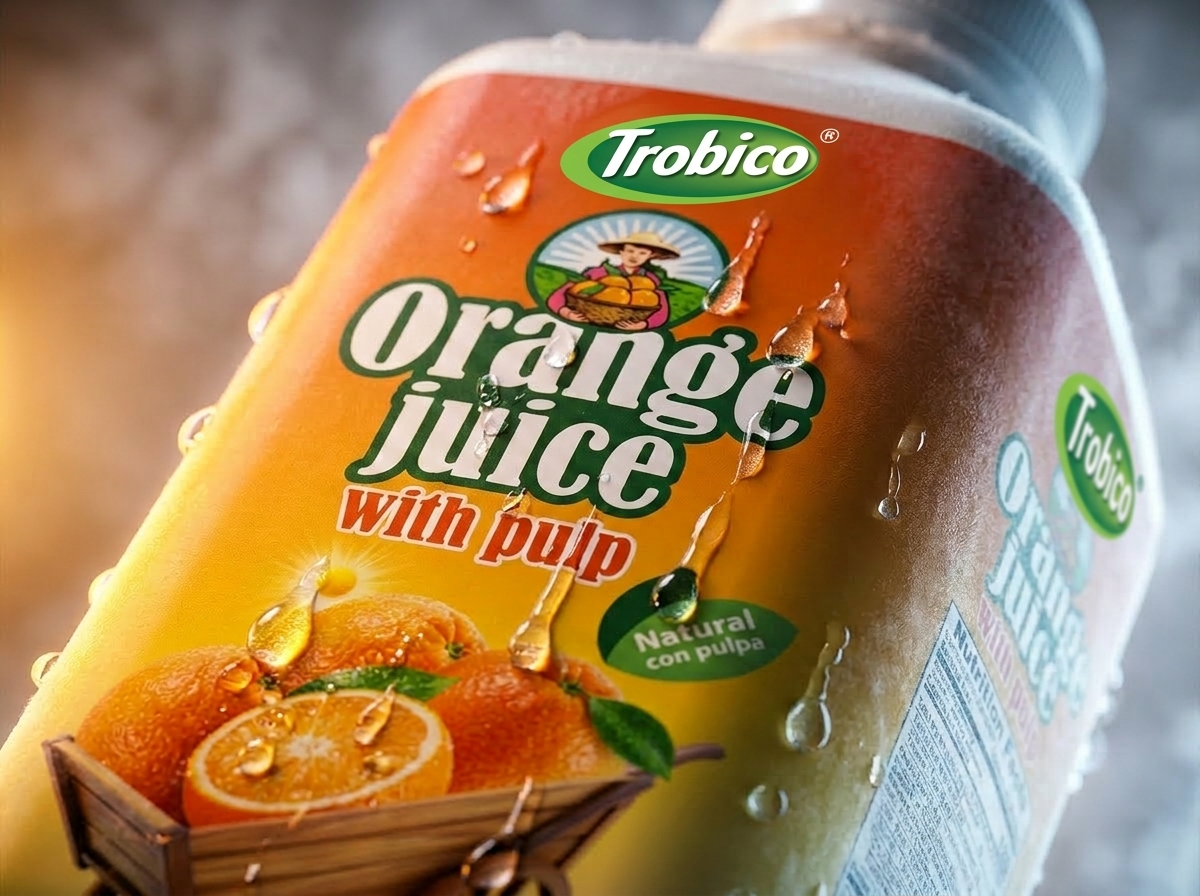
Simultaneously, retail and wholesale channels report increased demand from families and shared households seeking value. A product like the New Design Trobico 1L PP Bottle Orange Juice With Pulp exemplifies this trend, offering a practical solution for multi-serve occasions.
Packaging Innovation: The Critical Role of Material Science
In the realm of bulk juice packaging, the choice of container material is a strategic business decision. Glass, while premium, presents challenges in weight, breakage, and logistics costs. Cartons are lightweight but may lack the durability needed for certain distribution environments.
This is where advanced plastics like PP (Polypropylene) come to the fore. PP bottles offer a compelling balance of properties essential for modern distribution:
- Durability: High impact resistance minimizes damage during transit, a key factor for importers and distributors managing long supply chains.
- Lightweight: Reduces shipping costs significantly compared to glass, directly impacting the landed cost and profitability.
- Clarity: Allows consumers and buyers to see the product, which is particularly important for juices with visual appeal like pulp-containing variants.
- Design Flexibility: Enables ergonomic grips and modern shapes that enhance shelf presence and brand identity.
The "New Design" aspect of products in this category often focuses on these material and ergonomic improvements, making them more attractive for both B2B and B2C applications.
Sensory Experience and Premiumization: The "With Pulp" Factor
Beyond packaging, product formulation is aligning with a global sensory trend. Consumers are increasingly seeking authentic and engaging taste experiences. In the juice category, texture has become a major differentiator.
Juices that include pulp are perceived as less processed, more natural, and of higher quality. This sensory attribute commands a price premium and caters to a mature consumer palate. For distributors and wholesalers, stocking textured juice variants like an orange juice with pulp allows them to cater to a broader spectrum of the market, from standard taste preferences to more discerning ones.
It represents a move away from purely utilitarian beverages towards those offering a more complete and enjoyable consumption moment, whether in a restaurant, hotel breakfast buffet, or at home.
Brand Architecture and Portfolio Strategy in Beverage Manufacturing
Successful beverage companies often employ a multi-brand strategy to address different market tiers and channels. The case of RITA, a manufacturer with its flagship brand and the secondary brand Trobico, is a classic example of strategic segmentation.
This approach allows a manufacturer to:
- Target specific price points and consumer segments without diluting the master brand's positioning.
- Create dedicated product lines for specific channels, such as bulk juice packaging for foodservice and wholesale under the Trobico name.
- Test new packaging formats, flavors, or concepts with lower risk to the primary brand's equity.
- Offer private label or specialized contract manufacturing under a distinct brand umbrella.
For international buyers, understanding a manufacturer's brand portfolio is crucial. It indicates their capability to service diverse needs, from premium branded goods to efficient, volume-driven product lines like the Trobico 1L orange juice.
Export Readiness and Global Supply Chain Considerations
Asian beverage manufacturers are increasingly export-oriented. Products designed for this arena must meet several non-negotiable criteria that go beyond taste. The very design of a product signals its export readiness.
Key considerations for importers include:
- Regulatory Compliance: Packaging materials must meet FDA or equivalent international standards for food contact. PP is widely accepted globally.
- Logistical Efficiency: Bottle shape and case configuration must be optimized for container loading to maximize shipping efficiency.
- Shelf Stability: Products must maintain quality over extended transit times and varying storage conditions.
- Labeling and Communication: Clear, professional labeling in the target market's language is essential for B2B sales and often for end-consumer facing roles.
A well-designed, durable PP bottle addresses many of these points inherently, making products employing this packaging attractive partners for global distributors.
Distribution Channels: From Wholesale to HORECA
The journey of a bulk juice packaging product from factory to end-user is complex. Effective distribution requires understanding the unique needs of each channel.
For cash-and-carry wholesalers and broadline distributors, the focus is on turnover, margin, and durability. A robust 1L bottle that stacks well and has a clear price-value proposition is ideal.
In the HORECA channel, the narrative shifts to application. How does the product perform in a juice dispenser? Does its appearance enhance the breakfast buffet? Is the flavor profile consistent and versatile enough for both direct serving and as a mixer? The inclusion of pulp, for instance, can be a mark of quality for a hotel's in-room beverage selection or a cafe's fresh juice offering.
Understanding these channel-specific drivers is what separates successful suppliers from the rest. It allows them to tailor their messaging and support, whether for a product like the New Design Trobico 1L bottle or any other item in their portfolio.
Future Outlook: Sustainability and Smart Packaging
The future of bulk beverage packaging will be shaped by two dominant forces: sustainability and digital integration. While current PP packaging offers logistical efficiency, the pressure for increased recyclability and use of recycled content (rPP) will intensify.
Forward-thinking manufacturers are already exploring these avenues. Furthermore, smart packaging technologies, such as QR codes for supply chain transparency or batch tracking, could become standard for B2B transactions, offering distributors and retailers greater control and information.
The evolution of products in this space will continue to be a direct response to the complex interplay of consumer demand, distributor needs, and global logistical realities.
Frequently Asked Questions
What are the primary advantages of PP (Polypropylene) bottles for bulk juice distribution?
PP bottles offer an optimal balance of durability, lightweight design, and clarity. Their high impact resistance reduces breakage during shipping, the light weight lowers freight costs, and the material's transparency showcases the product. These factors are crucial for maintaining product integrity and profitability across long supply chains.
Why is the "with pulp" segment growing in the juice market?
The growth is driven by a consumer trend towards sensory-rich, authentic food and beverage experiences. Pulp is perceived as an indicator of less processing and higher quality, aligning with premiumization. For businesses, it allows differentiation and caters to a segment willing to pay a slight premium for enhanced texture and flavor perception.
How important is brand portfolio strategy for beverage manufacturers targeting export markets?
It is critically important. A multi-brand strategy, like RITA's use of both RITA and Trobico brands, allows manufacturers to segment the market effectively. They can target different price points, channels (e.g., retail vs. foodservice), and customer expectations without cross-contamination of brand equity, making them more versatile partners for international importers.
What should an importer look for to assess a beverage product's export readiness?
Key indicators include: packaging material compliance with international food contact regulations (e.g., FDA), logistical design (bottle shape for efficient palletization), proven shelf stability, and professional, clear labeling. A product designed with these elements, such as a robust 1L PP bottle, demonstrates the manufacturer's understanding of global market requirements.
How are HORECA channel needs different from retail for bulk juice products?
HORECA buyers prioritize operational efficiency, consistency, and application suitability. They need packaging that is easy to store, pour, and integrate into service workflows (like buffets or bar stations). Flavor profile consistency is paramount for recipe standardization. Retail-focused bulk packaging, while also valuing durability, may place more emphasis on shelf appeal and direct consumer marketing claims.



 No.08, Thong Nhat Boulevard,