The global ready-to-drink (RTD) beverage market is undergoing a significant transformation. Driven by evolving consumer preferences, innovation in product formats, and the expansion of modern retail channels, this sector presents substantial opportunities for importers, distributors, and F&B businesses. The convergence of flavor experimentation, convenience, and experiential consumption is reshaping the competitive landscape, creating demand for novel products that capture these trends.
Key Takeaways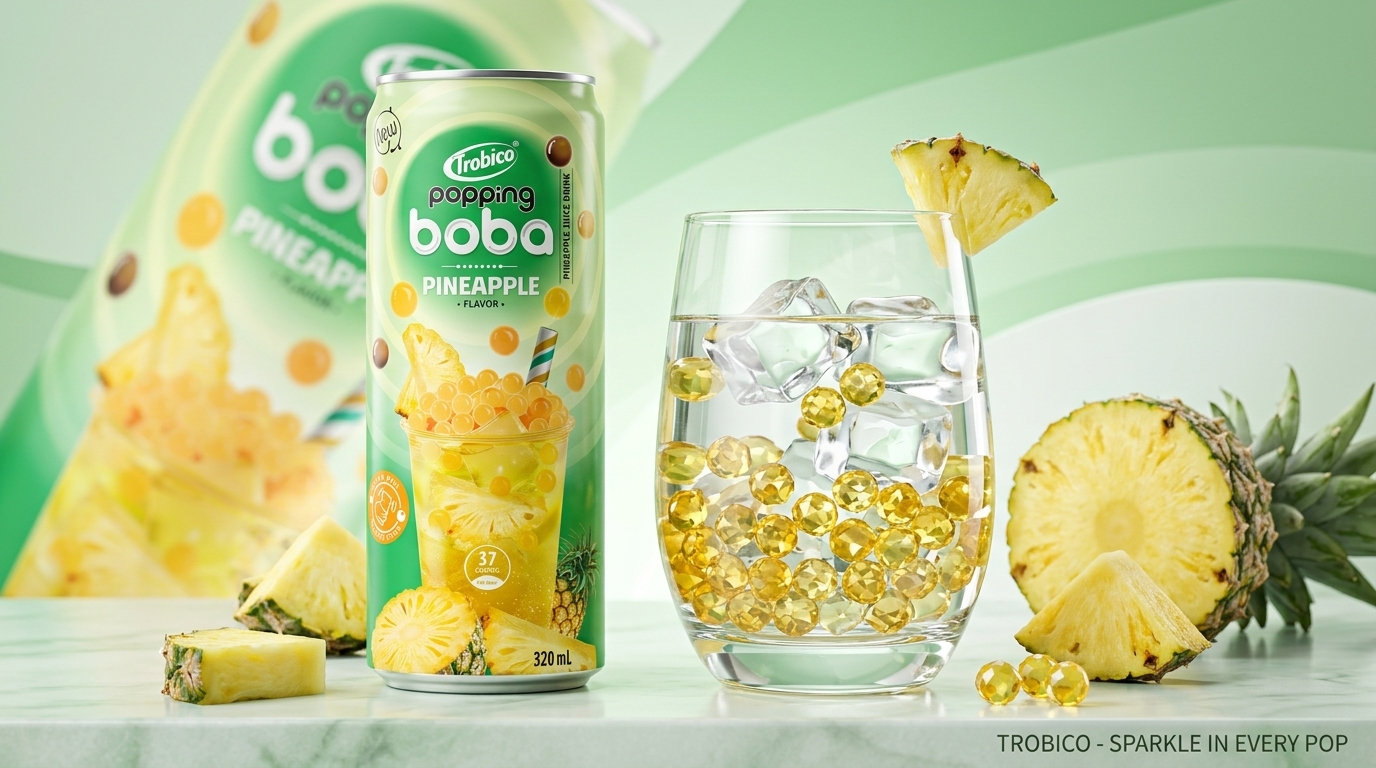
- The premium RTD segment is experiencing robust growth, fueled by consumer demand for novel textures and authentic fruit flavors.
- Innovative product formats, like those featuring functional add-ins such as popping boba, are creating new sub-categories and driving impulse purchases.
- Strategic distribution through modern trade, HORECA channels, and e-commerce is critical for capturing market share in the competitive beverage industry.
- Brands with strong production capabilities, like those under the RITA manufacturer umbrella, are well-positioned to meet the demands of bulk buyers and exporters.
- The premium RTD beverage market offers high-margin opportunities for wholesalers and distributors who can identify and supply trending products.
Decoding Consumer Trends in the Modern Beverage Aisle
Today's beverage consumer is increasingly adventurous and seeks multisensory experiences. The desire for novelty extends beyond flavor to encompass texture, mouthfeel, and visual appeal. This shift has propelled the popularity of products that offer interactive or unexpected elements within a convenient format.
Fruit-forward profiles, particularly tropical flavors like pineapple, remain perennially popular due to their broad appeal and association with refreshment. The challenge for brands and their distribution partners is to deliver these familiar tastes in innovative ways that justify a premium positioning and encourage trial.
Products that successfully marry a recognizable flavor with a unique textural component, such as the inclusion of bursting pearls, directly tap into this trend. They transform a simple drink into a more engaging consumption occasion, appealing to younger demographics and social media-savvy consumers.
The Strategic Advantage of Production Line Expertise
For B2B buyers, the reliability and scale of a manufacturer are as important as the product itself. Brands backed by established production infrastructure offer significant advantages in terms of consistent quality, volume capacity, and compliance with international standards.
Manufacturers like RITA, which operate multiple brands including Trobico, leverage their expertise across production lines to ensure efficiency and control. This vertical integration is a key asset for importers and wholesalers requiring large, consistent orders. It minimizes supply chain risk and provides a foundation for scalable business.
When evaluating a supplier, savvy distributors look beyond the brand to the manufacturing capabilities behind it. The ability to handle complex formulations, such as integrating stable suspension systems for add-ins, is a testament to advanced production technology.
Distribution Channels and HORECA Applications
The route to market is critical for beverage success. A multi-channel strategy allows brands to maximize reach and cater to different consumption occasions. For a product like a pineapple-flavored beverage with textural elements, each channel offers distinct potential.
In modern retail (supermarkets, convenience stores), eye-catching slim-can packaging and clear product description drive off-shelf appeal. For the HORECA sector, these RTD products serve as versatile offerings. Cafes can use them as a base for customized drinks, while restaurants and hotels can offer them as premium non-alcoholic options.
The slim-can format itself is a strategic choice. It aligns with portability trends, offers a premium aesthetic compared to traditional cans, and often supports a higher price point. This format is particularly effective in convenience stores and vending machines.
Unlocking Export Potential in the Global Beverage Market
International trade in beverages is booming, with growing demand in Southeast Asia, the Middle East, and beyond for innovative products from established manufacturing hubs. Export success hinges on several factors: product differentiation, compliance with destination market regulations, and reliable logistics.
Products that feature unique sensory attributes, such as a popping boba tea experience in a can, provide a clear point of differentiation in crowded markets. They offer local distributors an opportunity to introduce a novel category without the operational complexity of a fresh bubble tea store.
For exporters, partnering with manufacturers that have a track record of international compliance is non-negotiable. This includes adherence to food safety standards, accurate labeling, and stable shelf-life—all critical for navigating customs and building trust with overseas buyers.
Future Outlook: Where is the RTD Market Heading?
The trajectory of the RTD market points toward continued premiumization and segmentation. Consumers will likely seek even more sophisticated flavor combinations and hybrid formats that blur category lines. The integration of experiential elements within a packaged format is a trend with considerable runway.
For businesses in the supply chain—from manufacturers to distributors—the imperative is to stay ahead of these trends. This means sourcing or developing products that are not just beverages, but portable consumption experiences. It also means building agile distribution networks that can quickly bring these innovations to a global audience.
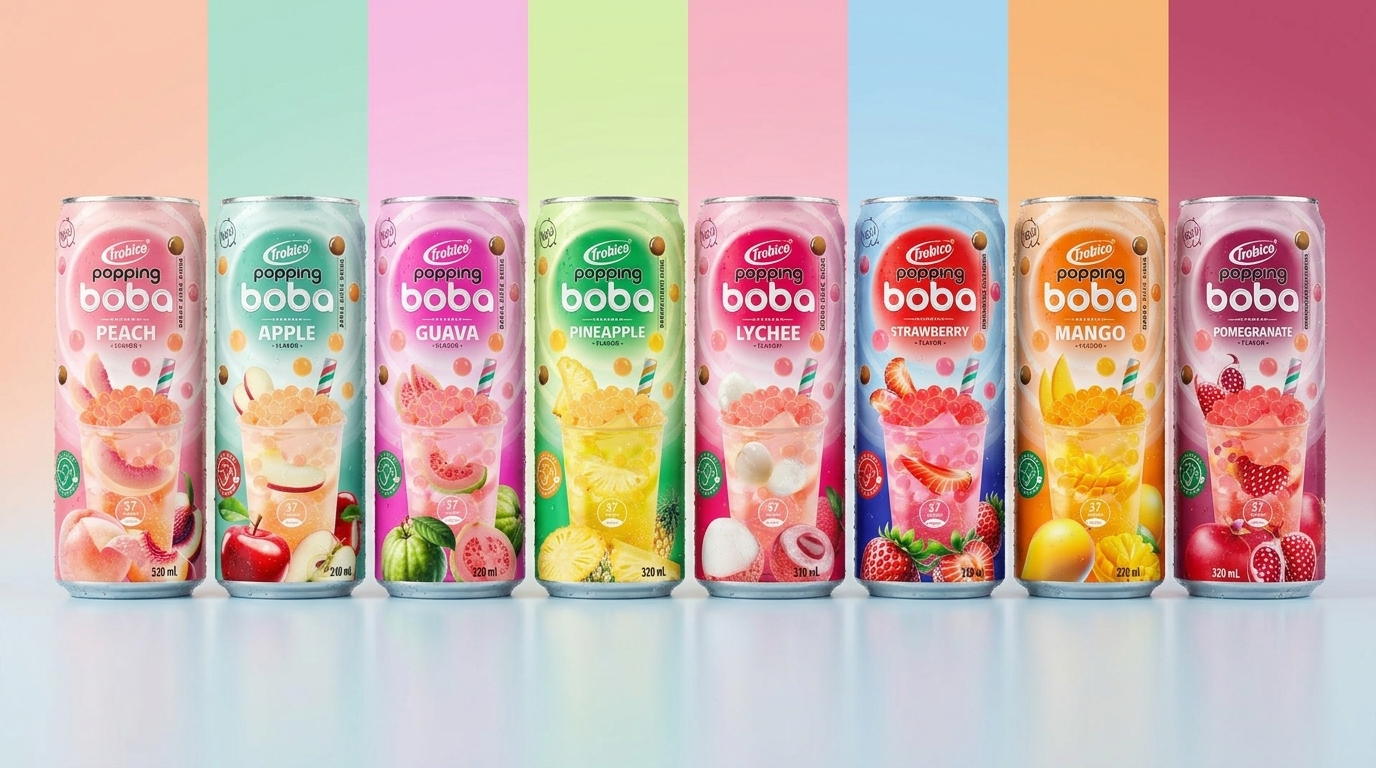
Brands that master the balance of innovation, quality, and supply chain reliability will be the partners of choice for the world's distributors. Exploring a diverse portfolio, such as the range offered by producers like RITA through their Trobico line, allows wholesalers to mitigate risk and capitalize on multiple emerging trends simultaneously.
Frequently Asked Questions
What makes a premium RTD beverage appealing to modern distributors?
Modern distributors seek products with clear differentiation, such as unique flavors or textures, high-quality packaging, and a strong value proposition for the end-consumer. Products that command higher margins and drive repeat purchases are particularly attractive in the competitive premium RTD beverage market.
How important is manufacturer reputation for bulk beverage sourcing?
It is paramount. A manufacturer's reputation for consistent quality, reliable production lines, and regulatory compliance directly impacts a distributor's supply chain stability and brand credibility. Established manufacturers reduce business risk.
Can RTD products with add-ins like boba be successfully exported?
Yes, absolutely. With proper formulation for shelf-stability and packaging, these products have high export potential. They offer a familiar yet novel experience in new markets. For instance, an innovative canned format simplifies logistics compared to fresh bubble tea ingredients, making it ideal for international distribution.
What are the key channels for distributing innovative beverages?
A multi-channel approach is best. Key channels include modern retail (supermarkets, CVS), specialty food stores, the HORECA channel (cafes, restaurants, hotels), and e-commerce platforms. Each channel serves different consumer occasions and demographics.



 No.08, Thong Nhat Boulevard,