The global beverage landscape is undergoing a significant transformation, driven by evolving consumer palates and a relentless demand for convenience fused with novel experiences. Within this dynamic shift, one category has demonstrated explosive growth and remarkable resilience: Ready-to-Drink (RTD) tea, particularly its innovative fusion with the textures and flavors of bubble tea. This analysis delves into the market forces, consumer trends, and distribution strategies shaping this segment, offering key insights for importers, distributors, and F&B businesses looking to capitalize on this lucrative wave.
Key Takeaways
- The global Ready-to-Drink (RTD) tea market is experiencing robust growth, fueled by the mainstream adoption of bubble tea textures and flavors.
- Modern consumers prioritize experiential consumption, seeking products that offer novel sensory experiences like the "popping" sensation of fruit juice balls.
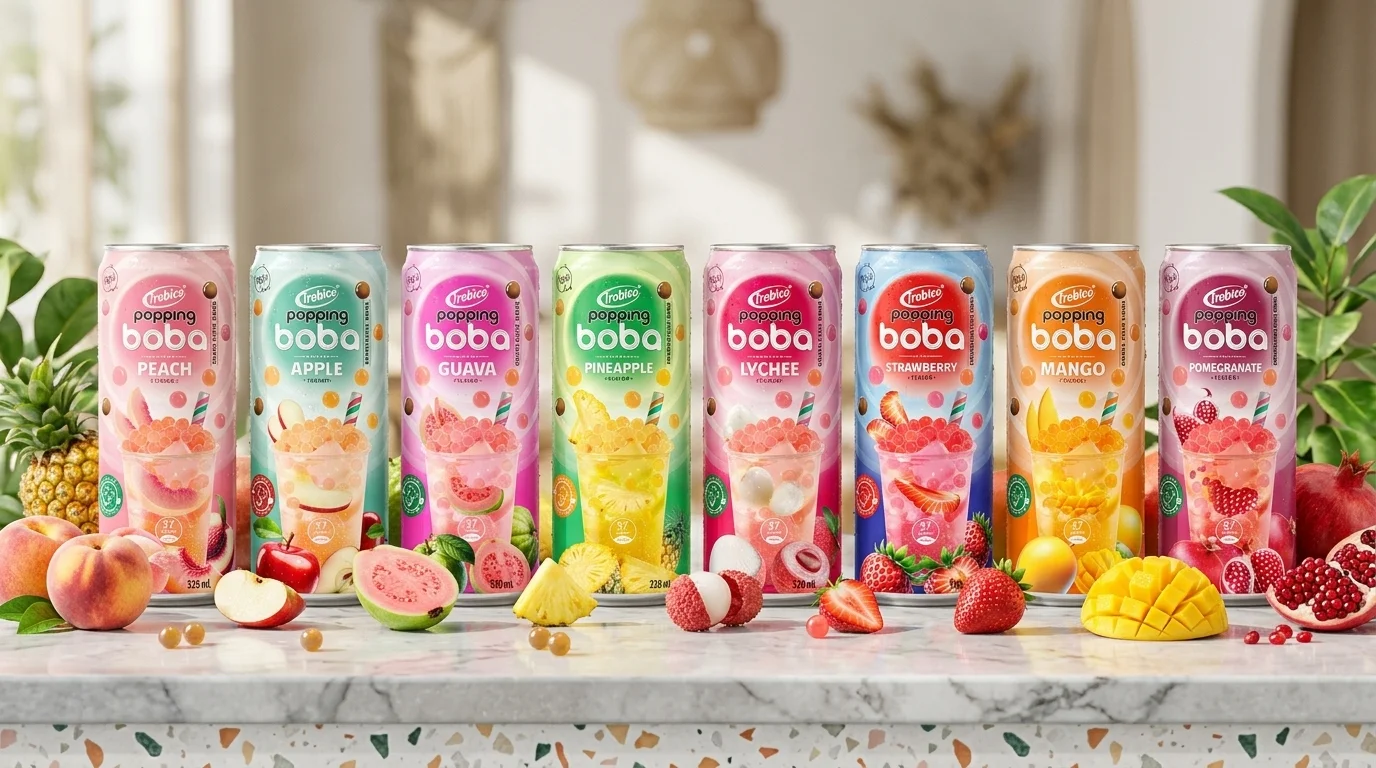
- Brands like Trobico, under the established RITA beverage manufacturer, are pioneering accessible, canned formats that bridge the gap between specialty cafe offerings and mainstream retail.
- Strategic distribution through HORECA channels and modern trade is crucial for capturing both impulse purchases and at-home consumption occasions.
- The canned RTD format presents significant export opportunities due to its shelf stability, compliance ease, and alignment with global flavor trends like strawberry.
Decoding the Consumer Shift: From Specialty to Supermarket
The journey of bubble tea from a niche, Asian-inspired cafe treat to a global phenomenon is a masterclass in consumer trend evolution. Initially, consumption was limited to physical stores, creating an experience-centric model. However, the pandemic accelerated the demand for premium, experiential beverages in a convenient, at-home format. This created a perfect entry point for high-quality RTD boba tea products.
Today's consumer, especially in the Gen Z and Millennial demographics, seeks more than just hydration. They seek a moment of indulgence, a shareable experience, and a textural adventure. The inclusion of elements like "popping boba"—juice-filled capsules that burst with flavor—directly caters to this desire for multisensory engagement. It transforms a simple drink into an interactive event.
Market Dynamics and Distribution Pathways
For businesses in the supply chain, understanding the dual-track distribution strategy is paramount. The success of products in this category hinges on visibility across multiple purchase channels.
HORECA Channel: Driving Trial and Premiumization
Hotels, restaurants, and cafes remain critical for brand building and consumer trial. Offering a canned, premium RTD boba tea like a strawberry-flavored variant with popping boba allows establishments to expand their beverage menu without the operational complexity of traditional boba tea preparation. It provides a consistent, high-margin item that appeals to a broad customer base.
Modern Trade and E-commerce: Capturing At-Home Demand
The real volume driver lies in retail. Supermarkets, convenience stores, and online platforms cater to the stock-up and impulse-buy behavior. The 320ml can is an ideal format for this space—portable, shelf-stable, and visually appealing. For distributors, identifying products with strong branding, like those from established manufacturers such as RITA's brand Trobico, reduces risk and ensures consistent quality for retail partners.
The Export Advantage: Canned RTD as a Global Player
The canned beverage format is uniquely suited for international trade. Its robust packaging ensures longer shelf life and reduces damage during logistics, a key consideration for importers. From a regulatory perspective, well-defined ingredients and production standards, often exemplified by brands operating in stringent markets, simplify the FDA compliance and customs process.
Flavor selection is critical for export success. Strawberry, as a flavor profile, enjoys near-universal appeal across North America, Europe, and Asia. It represents a safe yet exciting entry point into a new market. When combined with the innovative texture of popping boba, it creates a product that is both familiar and novel—a powerful combination for capturing market share.
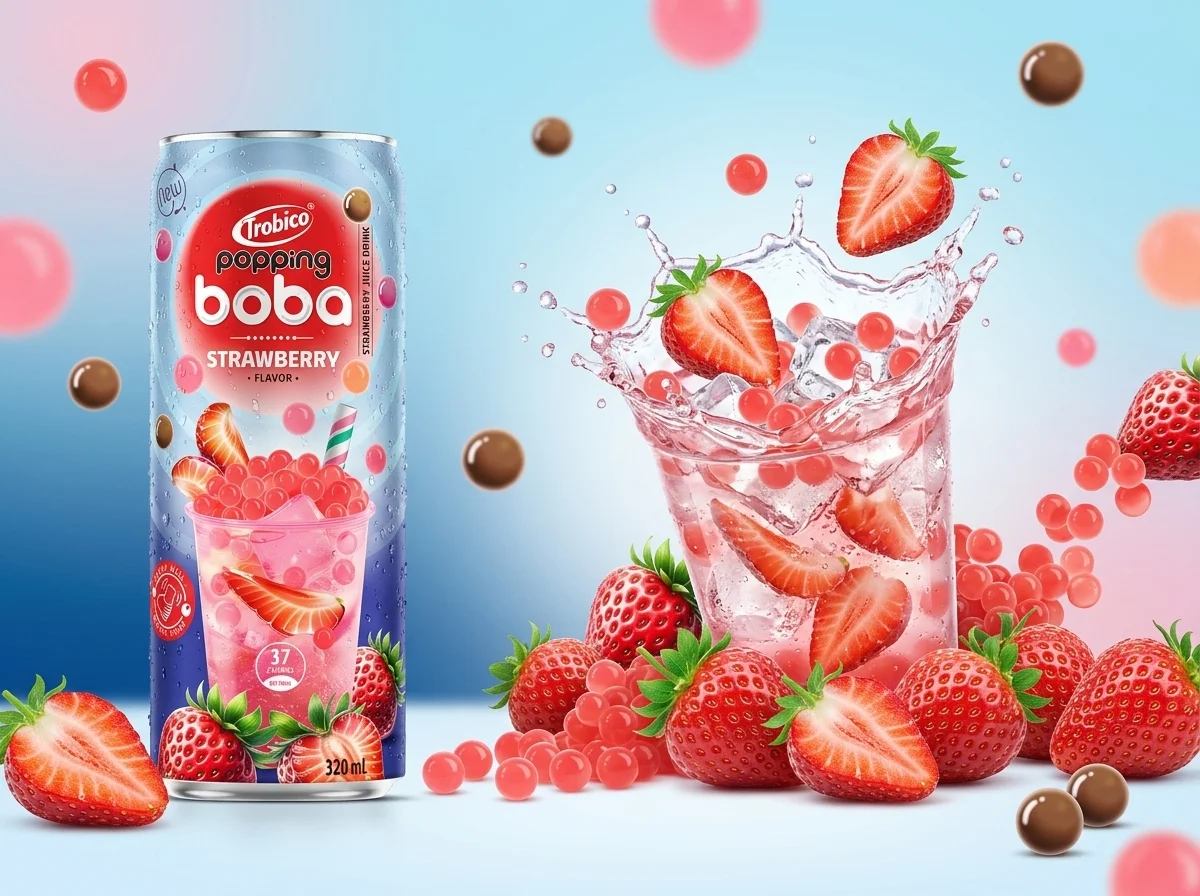
An example of a product designed for this global opportunity is the Popping Boba Tea in Strawberry Flavor. Its format and concept directly address the logistical and consumer preference challenges of cross-border trade.
Strategic Sourcing and Brand Considerations for B2B Partners
For wholesalers and importers, partnering with the right manufacturer is as important as selecting the right product. Key factors include:
- Production Scale & Reliability: Manufacturers with dedicated production lines for such specialized beverages ensure consistent supply, crucial for maintaining retail shelf space.
- Brand Portfolio Strength: A brand like Trobico, backed by the experience of a known producer like RITA, offers marketing leverage and quality assurance that standalone brands may lack.
- Innovation Pipeline: The ability to anticipate trends and iterate on flavors and formats is vital for long-term portfolio relevance.
The decision to stock an item like a canned popping boba tea is not just about a single SKU; it's about aligning with a manufacturer capable of growing with the trend. Exploring a supplier's full range, such as the innovative offerings from Trobico, can reveal a strategic partnership for future category development.
Future Outlook: Sustainability and Segmentation
The future of the RTD boba tea market will be shaped by two key themes. First, sustainability in packaging will move from a niche concern to a mainstream demand, influencing sourcing decisions for major distributors. Second, further market segmentation is inevitable. We can expect growth in areas like reduced-sugar options, exotic flavor fusions, and functional ingredient integrations (while adhering strictly to compliant, non-health claim marketing).
The brands that will lead are those investing in flexible production capabilities and consumer insights today. For business buyers, the message is clear: the RTD experiential beverage segment is not a passing fad but a fundamental restructuring of the non-alcoholic drink market. Positioning a portfolio to capture this demand is a strategic imperative for growth.
Frequently Asked Questions
What is driving the global growth of Ready-to-Drink (RTD) boba tea?
The growth is fueled by the convergence of the global popularity of bubble tea and the rising consumer demand for convenient, premium, and experiential beverage formats. The RTD can format makes the complex textural experience of boba tea accessible anywhere, moving it from a cafe-exclusive to a mainstream retail product.
Why are canned formats like the 320ml can advantageous for importers and distributors?
Canned formats offer superior shelf stability, reduced risk of damage during transportation, and easier compliance with international shipping and storage regulations. They are also a familiar and highly scalable format for modern retail channels, from convenience stores to supermarkets, facilitating faster market entry and broader distribution.
How important is manufacturer reputation when sourcing RTD boba tea for wholesale?
Extremely important. Partnering with an established manufacturer (like RITA, which produces the Trobico brand) ensures consistent product quality, reliable supply from dedicated production lines, and adherence to food safety standards. This reduces business risk for distributors and builds trust with retail partners and end consumers.
What makes strawberry a strategic flavor choice for international markets?
Strawberry is a universally recognized and widely enjoyed flavor profile across diverse cultures and age groups. It serves as a low-risk, high-appeal entry point into new markets, reducing consumer hesitation. When paired with an innovative element like popping boba, it creates a perfect balance of familiarity and novelty.
Can RTD boba tea products be successfully placed in both retail and foodservice (HORECA) channels?
Absolutely. This is a key strength of the category. In HORECA, it offers a high-margin, operationally simple menu addition. In retail, it captures at-home and on-the-go consumption. A dual-channel strategy maximizes brand exposure and sales volume, making it an attractive proposition for full-service distributors.



 No.08, Thong Nhat Boulevard,