The global beverage landscape is undergoing a significant transformation, driven by evolving consumer palates and the relentless pursuit of convenience. Within this dynamic shift, one category has surged from a niche café offering to a mainstream phenomenon: boba tea. Originally a Taiwanese specialty, boba tea's journey from storefronts to supermarket shelves encapsulates key trends in modern food and beverage. This evolution presents a substantial opportunity for importers, distributors, and F&B businesses looking to capitalize on a high-growth segment. The market is no longer just about the traditional freshly made cup; it's increasingly about scalable, portable, and innovative formats that meet the demands of on-the-go consumption and retail distribution.
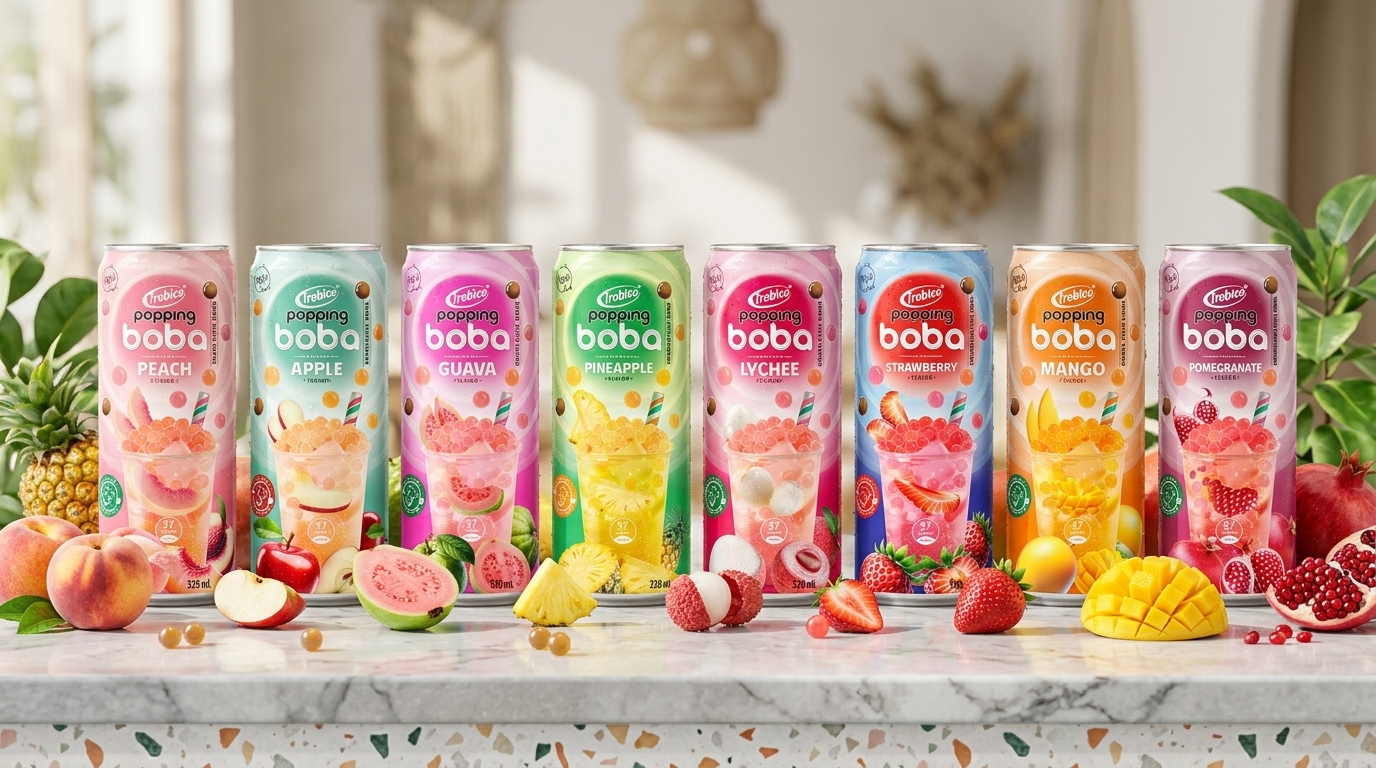
Key Takeaways
- The global ready-to-drink boba tea market is experiencing explosive growth, driven by consumer demand for convenience and novel experiences.
- Successful product innovation in this space hinges on authentic flavor profiles, unique textures like popping boba, and premium, portable packaging.
- For B2B players, this category offers high-margin opportunities in retail, HORECA, and export channels, particularly in regions with growing Asian food influence.
- Brands with strong manufacturing heritage, like those under the RITA umbrella, are well-positioned to deliver consistent quality at scale for bulk and private label needs.
- Understanding regional flavor preferences and distribution logistics is critical for successfully exporting ready-to-drink boba tea products.
Decoding the Ready-to-Drink Boba Tea Phenomenon
The ascent of boba tea from a regional favorite to an international staple is a masterclass in culinary globalization. Initially popularized in Asian communities worldwide, its appeal has broadened dramatically. The core driver behind the ready-to-drink (RTD) iteration is the universal consumer craving for convenience without compromise. Modern consumers, especially younger demographics, seek the unique sensory experience of boba—the chewiness of tapioca pearls or the burst of juice from popping boba—but often lack the time to visit a specialist café.
This creates a perfect market gap for canned or bottled solutions. The RTD format transforms an occasion-based beverage into an impulse purchase, available in convenience stores, supermarkets, and vending machines. For businesses, this translates to a vastly expanded point-of-sale potential compared to a franchise model. The product must, however, authentically replicate the core experience. This involves mastering flavor, sweetness level, and most critically, the texture element that defines boba.
Market Trends Shaping the Beverage Industry in 2024
Several macro-trends are converging to fuel the RTD boba category. First is the 'Experience Economy' within F&B. Consumers are not just buying a drink; they are purchasing a moment of enjoyment, a shareable novelty, or a taste of a different culture. Products that deliver a surprising textural element, like the bursting sensation of popping boba, directly tap into this trend.
Second is the premiumization of canned beverages. The era of the standard soda can is being challenged by sleek, slim-line cans that convey a higher-quality, adult-oriented image. This packaging shift is crucial for RTD boba to distance itself from typical sugary soft drinks and position itself as a premium, indulgent treat. Furthermore, flavor exploration remains paramount. While classic milk tea holds strong, there is immense growth in fruit-based variants, appealing to those seeking a vibrant, refreshing, and often less creamy option.
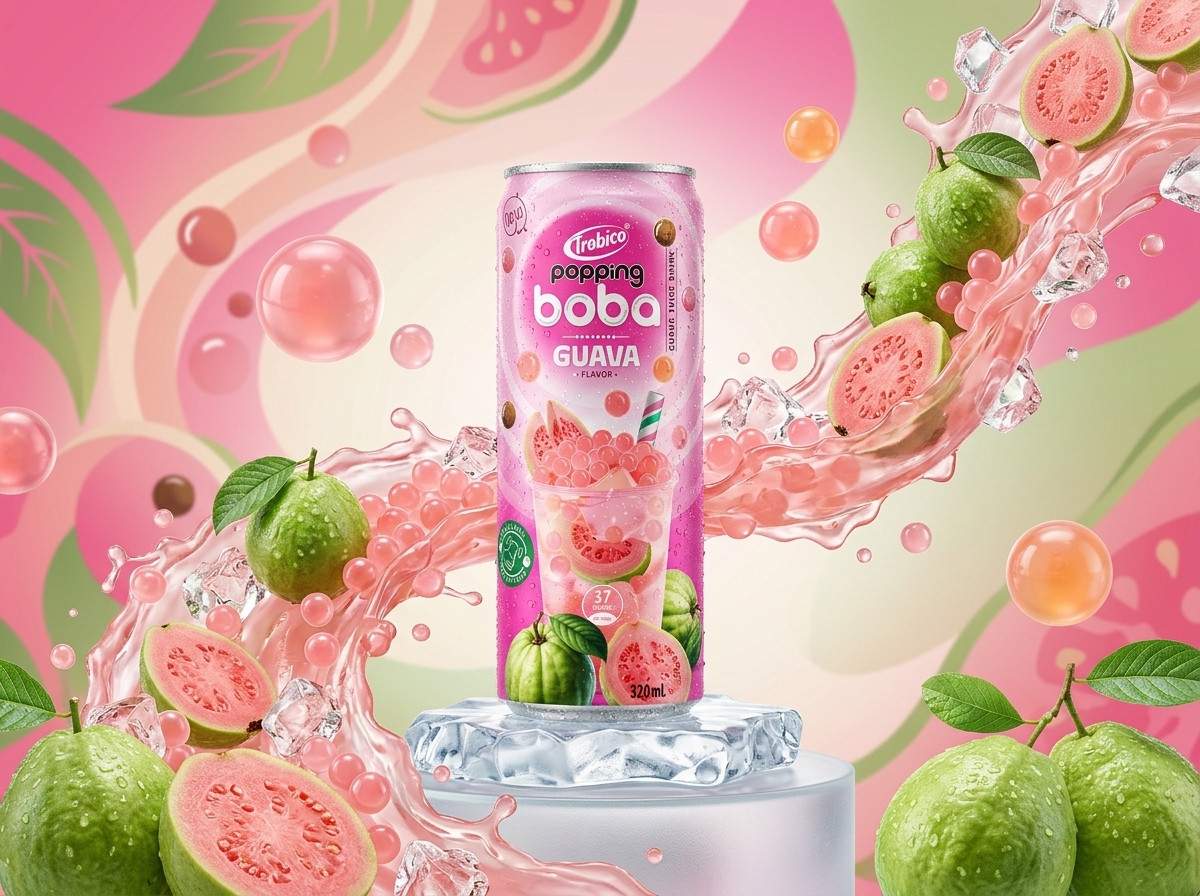
For instance, a product like the Popping Boba Tea Guava Flavor in a 320ml Slim Can exemplifies this trifecta: an exotic guava flavor profile, the interactive popping boba texture, and the modern, portable slim-can presentation. It's a format designed for modern retail and consumption habits.
Strategic Distribution and B2B Opportunities
For distributors and wholesalers, the RTD boba tea category represents a high-potential addition to their portfolio. Its appeal spans multiple channels: mainstream grocery retail, Asian specialty supermarkets, convenience stores, and the HORECA (Hotel, Restaurant, Cafe) sector. In a café or restaurant, these cans can serve as a low-labor, consistent-quality menu addition or a takeaway option, complementing a freshly made beverage program.
The private label and contract manufacturing potential is also significant. Established beverage producers with expertise in handling inclusions like boba pearls are invaluable partners for retailers looking to launch their own branded line. A manufacturer like RITA, with its portfolio including the RITA and Trobico brands, leverages extensive production line experience to ensure product stability, consistency, and scalability—key concerns for any large-scale distribution deal.
When evaluating a supplier for a product like popping boba tea, B2B buyers should assess manufacturing capability, ingredient sourcing, and flexibility in order volumes. The ability to produce a shelf-stable product where the texture of the boba is maintained is a non-negotiable technical requirement.
Export Potential and Navigating Global Markets
The international appetite for Asian-inspired beverages has never been stronger. Exporting RTD boba tea presents a lucrative opportunity, but requires nuanced market understanding. Success factors vary by region. In North America and Europe, markets are often driven by novelty and fusion trends, with fruit flavors and clear tea bases performing well. In Southeast Asia, authenticity and intense flavor profiles might be prioritized.
Key considerations for exporters include:
- Regulatory Compliance: Adhering to FDA (U.S.), EFSA (EU), or other local food safety and labeling regulations is paramount. All ingredient declarations must be precise and compliant.
- Flavor Localization: While guava or lychee might be hits in one market, other regions may prefer mango, passion fruit, or classic peach. Offering a versatile flavor range is advantageous.
- Supply Chain Logistics: Ensuring the product can withstand transportation and variable storage conditions without compromising quality is critical. The integrity of the boba pearls is especially sensitive.
Products that balance universal appeal with a point of differentiation, such as the use of real fruit juice concentrates or unique popping boba textures, stand out in competitive export markets. A well-executed product becomes a turnkey solution for an overseas importer looking to tap into the boba trend without developing a product from scratch.
The Role of Innovation and Brand Heritage
In a crowded market, innovation is the key differentiator. This goes beyond flavor. It encompasses packaging innovation (like the eye-catching slim can), texture innovation (the shift from traditional tapioca to juice-filled popping boba), and occasion innovation (positioning the drink as a snack, a dessert, or a refreshment).
Behind successful innovation lies manufacturing prowess. Brands that own their production, like Trobico under the RITA manufacturer, have greater control over quality assurance and R&D. They can efficiently scale production to meet large wholesale or export orders while maintaining the consistency that builds brand trust with distributors and end-consumers alike. For a business considering a bulk purchase for retail or HORECA supply, partnering with a producer that has a proven track record on specialized production lines for beverage inclusions mitigates risk and ensures a reliable supply.
Conclusion: A Bubble That's Not Bursting
The ready-to-drink boba tea market is far from a fleeting bubble. It is a robust, evolving category that responds directly to fundamental shifts in consumer behavior: the demand for experiential consumption, premium convenience, and global flavors. For B2B stakeholders—from importers and distributors to café owners and retail buyers—this segment offers a tangible opportunity to drive growth and diversify offerings.
The strategic move involves identifying products that authentically capture the essence of boba tea while being engineered for the practicalities of mass distribution and shelf life. As the market matures, winners will be those who combine genuine product quality with sharp market insight and flexible, scalable supply chain partnerships.
Frequently Asked Questions
What is driving the global growth of ready-to-drink boba tea?
The growth is fueled by the mainstream adoption of boba culture, increased consumer desire for convenient yet experiential beverages, and innovation in packaging and shelf-stable textural elements like popping boba.
What should a distributor look for when sourcing RTD boba tea?
Distributors should prioritize manufacturers with strong quality control, expertise in handling beverage inclusions, scalable production capacity, and compliant labeling. Product stability during transport and shelf life are critical technical factors.
How is RTD boba tea positioned within the HORECA channel?
In hotels, restaurants, and cafes, it serves as a low-waste, consistent, and quick-to-serve option. It can complement a fresh-made menu, act as a takeaway alternative, or be used in catering and minibar settings, offering operational efficiency.
What are the key challenges in exporting RTD boba tea?
Main challenges include navigating diverse food regulations, ensuring texture integrity (boba quality) throughout the supply chain, adapting flavors to local preferences, and managing logistics for a shelf-stable product with specific storage needs.
Why is brand manufacturing heritage important in this category?
Heritage in beverage manufacturing, especially with complex products containing inclusions, indicates proven capability in R&D, consistent large-scale production, and quality assurance—reducing risk for B2B partners investing in inventory and brand building.



 No.08, Thong Nhat Boulevard,