The Rise of Ready-to-Drink Bubble Tea: A Global Beverage Market Analysis and Opportunity Guide
The global beverage landscape is undergoing a seismic shift, driven by evolving consumer palates and the relentless demand for convenience. Within this dynamic, the bubble tea phenomenon has transcended its cafe origins to become a powerhouse in the packaged beverage sector. This evolution presents a significant opportunity for importers, distributors, and F&B businesses looking to capitalize on a trend with proven global appeal and impressive growth trajectories.
Key Takeaways
- The ready-to-drink bubble tea market is experiencing explosive growth, fueled by convenience and globalized taste preferences.
- Innovative packaging, like sleek cans, is crucial for capturing shelf space and appealing to modern, on-the-go consumers.
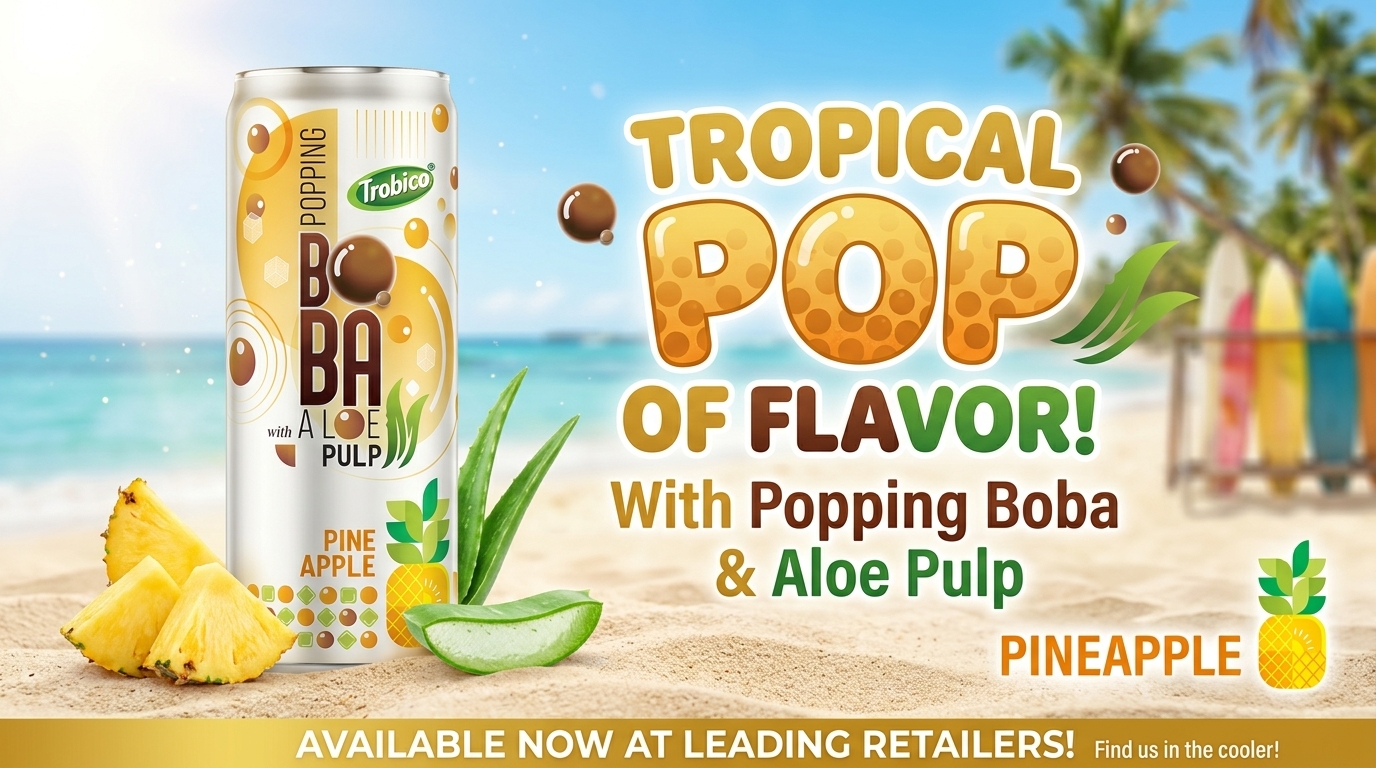
- Strategic flavor profiling, such as tropical pineapple, taps into broader beverage trends and expands market reach beyond traditional boba enthusiasts.
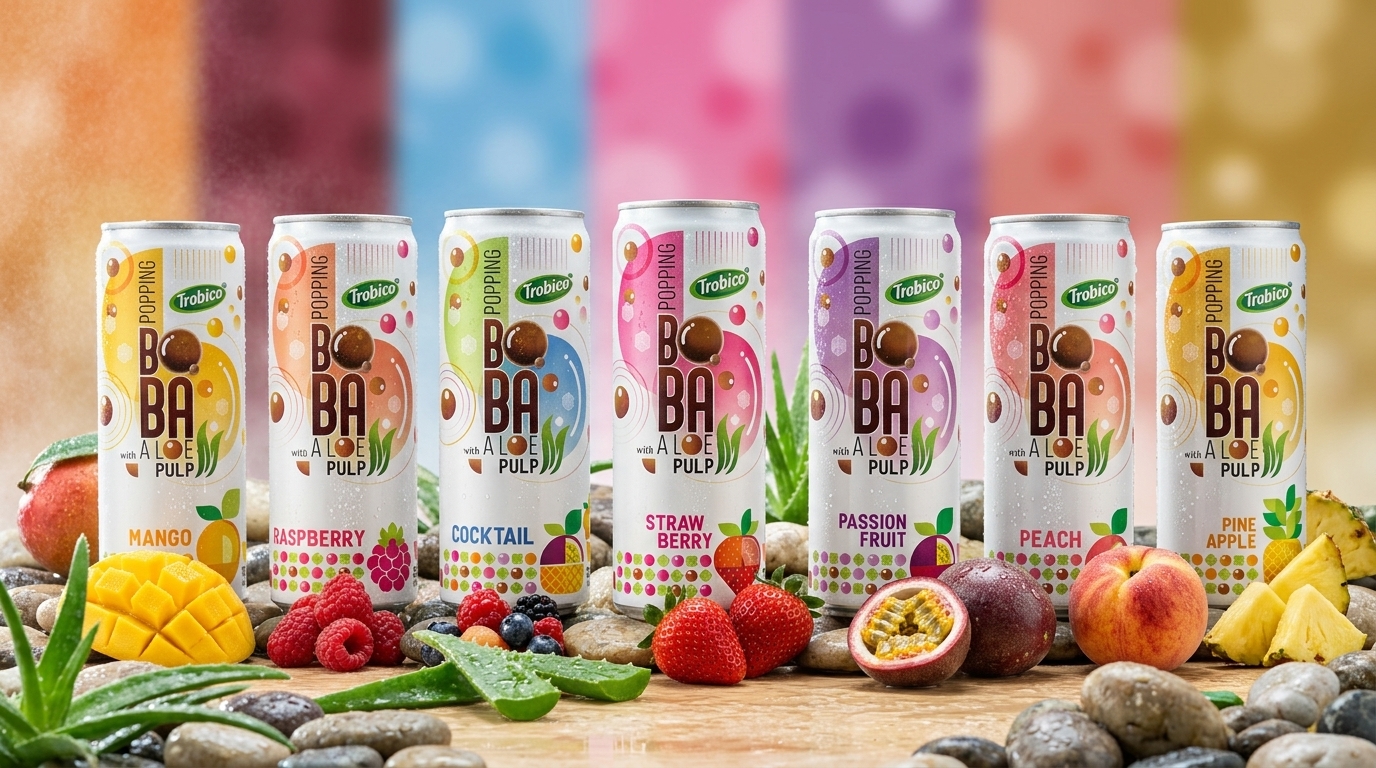
- Established manufacturing brands like RITA, with their dedicated ready-to-drink bubble tea lines under labels such as Trobico, offer reliable supply chains for B2B partners.
- The export potential for high-quality, canned bubble tea is substantial, especially in markets with established Asian food corridors and growing demand for novel beverage experiences.
Decoding the Global Thirst for Packaged Bubble Tea
The bubble tea market is projected to continue its robust expansion, with the ready-to-drink (RTD) segment leading the charge. The transition from a specialty shop beverage to a shelf-stable consumer good is a classic case of market maturation. It mirrors the journey of iced coffee and kombucha, moving from artisanal outlets to mainstream retail.
For distributors, this signals a move from niche to volume. The product is no longer just for bubble tea aficionados but for any consumer seeking a fun, flavorful, and convenient drink. The operational simplicity for retailers is a key driver. A canned product requires no preparation, specialized equipment, or trained staff, unlike its cafe counterpart.
This dramatically lowers the barrier to entry for convenience stores, supermarkets, and non-specialist food service outlets. They can now participate in a high-margin trend without the operational complexity. This accessibility is a primary engine for the segment's growth.
Consumer Behavior: Convenience Meets Experiential Consumption
Modern consumers, particularly Millennials and Gen Z, seek products that deliver an experience. Bubble tea inherently offers this through its unique texture and flavor combinations. The RTD format preserves the experiential element—the tapioca pearls—while layering on the paramount value of convenience.
The consumption occasion expands from a planned cafe visit to an impulse buy, a lunchbox addition, or a party beverage. This shift is critical for volume sales. Furthermore, the visual appeal of a well-designed can, like a sleek 320ml can, plays into the social media-driven culture of consumption, where photogenic products gain organic marketing traction.
Strategic Packaging: The Silent Salesman on the Shelf
In the competitive RTD arena, packaging is a critical differentiator. The move towards cans is a strategic one. Cans offer superior portability, better protection from light (preserving flavor), and are universally recyclable, aligning with growing sustainability concerns.
A sleek can design communicates modernity and premium quality. The 320ml size is strategically chosen—it is substantial enough to feel satisfying but not so large as to be daunting or wasteful. This format is ideal for single-serve consumption, which dominates the grab-and-go market.
For a B2B buyer, evaluating a supplier's packaging capability is essential. Consistent, high-quality packaging from a known manufacturer like RITA ensures the product survives the logistics chain and arrives shelf-ready, maintaining brand integrity from factory to end consumer.
Flavor Innovation: Expanding the Bubble Tea Universe
While classic milk tea and taro remain popular, market growth is increasingly fueled by flavor innovation. Introducing non-traditional, universally appealing flavors is a strategy to attract new consumer cohorts. Tropical fruit flavors, like pineapple, represent a significant opportunity.
Pineapple is a globally recognized and beloved flavor profile. It bridges cultural tastes, offering a familiar yet exciting twist on the bubble tea format. This approach de-risks inventory for retailers entering the category, as a pineapple-flavored beverage has a broader potential audience than a more niche traditional flavor.
Products such as the Pineapple Flavored Bubble Tea exemplify this strategic flavor development. It leverages a proven fruit profile to invite trial from consumers who might be hesitant to try more exotic boba flavors, thereby acting as a gateway product into the wider category.
The B2B Advantage: Sourcing from Integrated Manufacturers
For importers and wholesalers, supply chain reliability is paramount. Partnering with a manufacturer that controls its production lines offers significant advantages. RITA, as a beverage producer with dedicated brands like Trobico, represents this integrated model.
This control translates to consistent quality, scalable production runs, and adherence to international food safety standards—a non-negotiable for export. When evaluating a product like the 320ml Sleek Can line, B2B clients are not just buying a beverage; they are investing in the manufacturer's capability to deliver volume, consistency, and compliance.
Such partnerships are foundational for building a stable and reputable distribution business in the F&B sector. The ability to source a trendy product from a single, capable factory streamlines logistics and quality assurance.
Distribution and HORECA Applications
The distribution channels for RTD bubble tea are vast and varied.
- Retail & Convenience: Supermarkets, convenience stores, and specialty Asian grocery stores are primary targets. The product's shelf stability makes it ideal for these environments.
- Food Service (HORECA): Hotels can stock it in minibars. Restaurants can offer it as a novel non-alcoholic beverage option. Cafes can use it to augment their fresh-made menu, especially for off-peak hours or takeaway.
- Vending & Catering: The durable can format is perfect for vending machines and boxed catering services for offices and events.
Each channel requires a slightly different sales approach, but the product's core benefits—convenience, novelty, and taste—remain universally applicable.
Export Dynamics and Seizing Global Opportunities
The international appetite for Asian food and beverage concepts has never been stronger. For exporters in Vietnam and Southeast Asia, this creates a lucrative window. Canned ready-to-drink bubble tea is an ideal export product: non-perishable, culturally trendy, and easy to ship.
Key target markets include North America, Europe, Australia, and other parts of Asia where bubble tea culture is already established but the RTD segment is still growing. Success in these markets hinges on several factors: compliance with local FDA or equivalent regulations (avoiding any unauthorized health claims), understanding local taste preferences, and navigating import duties.
Products that exemplify manufacturing excellence, like those from established beverage production lines, give exporters a competitive edge. They assure foreign buyers of a reliable and compliant supply source, which is the first step in building long-term export relationships.
Conclusion: Positioning for the Future of Beverage
The trajectory of the ready-to-drink bubble tea market is clear: upward and outward. For businesses operating in the F&B import, distribution, and retail spaces, this category represents a high-growth opportunity with relatively low operational friction. The key to capitalizing on it lies in strategic product selection—prioritizing quality manufacturing, innovative and accessible flavor profiles, and consumer-friendly packaging.
By focusing on products that are born from dedicated production lines and designed for the modern market, B2B players can confidently build a portfolio that meets the converging demands of convenience, experience, and global taste. The bubble in the can is more than a drink; it's a testament to a globalized, convenience-first beverage economy where agile businesses can thrive.
Frequently Asked Questions
Q: What is driving the growth of the ready-to-drink bubble tea segment?
A: Growth is primarily fueled by the powerful combination of global consumer familiarity with bubble tea and the overwhelming demand for convenience. The RTD format removes the need for specialized preparation, allowing the product to be sold anywhere beverages are retailed, thus dramatically expanding its market reach and consumption occasions.
Q: Why are sleek cans becoming a popular packaging choice for RTD bubble tea?
A: Sleek cans offer portability, superior protection from light (which can degrade flavor), a modern and premium aesthetic, and strong sustainability credentials due to high recyclability. They are also durable for shipping and ideal for single-serve, on-the-go consumption, which is a core market driver.
Q: For a distributor new to this category, what type of flavor profile is recommended to start with?
A: Starting with universally appealing and familiar fruit flavors, such as pineapple, is a strategic way to minimize risk. These flavors act as a gateway, attracting consumers who may be new to bubble tea, while still delivering the novel texture and experience that defines the category, thereby maximizing initial trial and sell-through rates.
Q: What should B2B buyers look for when sourcing RTD bubble tea from manufacturers?
A: Key factors include the manufacturer's control over their production lines (ensuring consistency and quality), compliance with international food safety and labeling standards (especially regarding FDA regulations on claims), scalability of production to meet order volumes, and the strategic design of their packaging for shelf appeal and logistics.
Q: What are the main export considerations for RTD bubble tea?
A: Critical considerations include ensuring the product formulation and labeling fully comply with the destination country's food import regulations (e.g., FDA in the USA, EFSA in Europe), securing reliable and cost-effective logistics partners, understanding target market taste preferences and competitive landscape, and navigating any applicable tariffs or import duties.



 No.08, Thong Nhat Boulevard,