The global beverage landscape is undergoing a seismic shift, driven by evolving consumer palates and a relentless demand for convenience. Within this dynamic arena, one category has demonstrated explosive growth and remarkable resilience: Ready-to-Drink (RTD) bubble tea. No longer confined to specialty cafes, this Asian-inspired phenomenon is capturing shelf space worldwide, presenting a lucrative opportunity for importers, distributors, and F&B businesses. This analysis delves into the market forces, consumer trends, and strategic distribution channels fueling this boom, using innovative product formats as a lens into the future of the sector.
Key Takeaways
- The global ready-to-drink bubble tea market is expanding rapidly, driven by premiumization, flavor innovation, and portability.
- Aluminum can packaging is emerging as a key growth driver, offering superior shelf appeal, portability, and sustainability credentials that resonate with modern trade and consumers.
- Strategic market entry requires a deep understanding of dual-channel distribution, balancing modern retail penetration with the volume potential of the HoReCa (Hotel, Restaurant, Cafe) segment.
- Established beverage manufacturers with robust production lines, like RITA with its Trobico brand, are well-positioned to meet the stringent demands of export markets and large-scale distribution.
- Success hinges on aligning product format, such as convenient single-serve cans, with clear consumer convenience trends and efficient supply chain logistics.
Decoding the Ready-to-Drink Bubble Tea Phenomenon
The transformation of bubble tea from a made-to-order beverage to a packaged consumer good is a masterclass in market adaptation. The core appeal—a playful combination of tea, flavor, and chewy tapioca pearls—has been successfully translated into a format suited for mass consumption. This shift addresses several contemporary consumer demands simultaneously.
First is the insatiable appetite for novel and authentic flavor experiences. Consumers, particularly younger demographics, are adventurous and seek globally inspired tastes. Passion fruit, with its tangy and tropical profile, exemplifies this trend, offering a recognizable yet exotic note that stands out in a crowded market.
Second is the paramount need for convenience. The RTD format eliminates wait time, providing immediate gratification. This portability makes it ideal for on-the-go consumption, office pantries, and casual dining occasions where a full-service cafe visit isn't feasible.
The Aluminum Can Advantage: Beyond Packaging
In the ready-to-drink bubble tea segment, packaging is far more than a container; it's a critical brand and marketing tool. The aluminum can has become a format of choice for forward-thinking brands, and for compelling business reasons.
From a logistical standpoint, cans offer superior durability, reducing damage rates during long-distance shipping and storage—a vital consideration for import/export operations. Their stackability optimizes warehouse and retail shelf space, improving inventory efficiency for distributors and wholesalers.
Consumer perception is equally important. Aluminum cans are associated with premium beverages, craft sodas, and energy drinks. They offer excellent protection against light and oxygen, preserving the integrity and flavor of the product better than some transparent alternatives. Furthermore, the high recyclability of aluminum aligns with growing environmental, social, and governance (ESG) concerns among retailers and end-consumers.
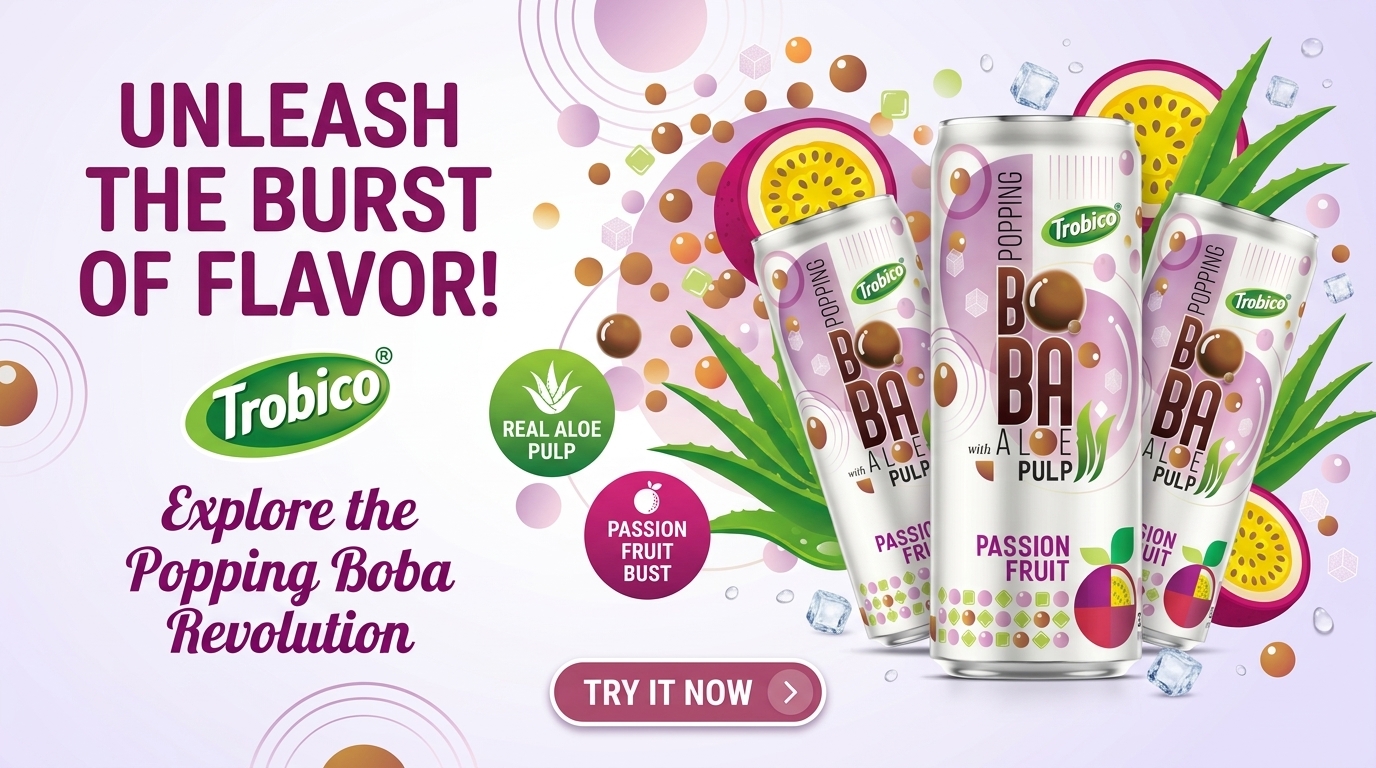
Brands that leverage this format effectively signal quality and modernity. For instance, a product like the 320ml aluminum can passion flavored bubble tea from Trobico directly taps into these advantages. It presents a shelf-stable, visually appealing, and convenient single-serve option that fits seamlessly into modern retail environments, from convenience stores to supermarket chillers.
Market Entry and Distribution Strategies for B2B Players
For importers and distributors, capitalizing on the RTD bubble tea trend requires a nuanced, two-pronged approach. Success lies in balancing broad reach with targeted placement.
1. Conquering Modern Trade and Retail
The primary channel for volume remains modern retail. Securing listings in supermarket chains, hypermarkets, and convenience store networks is essential. The key is to position the product not just as a novel drink, but as a legitimate category within the broader tea and alternative beverage aisle.
Effective strategies include:
- Category Management: Educating buyers on the growth trajectory of RTD bubble tea and its appeal to high-value consumers.
- Point-of-Sale Activation: Utilizing shelf talkers, end-cap displays, and promotional bundles to drive trial, especially for new flavor entries like passion fruit.
- Chiller Placement: Advocating for placement in chilled beverage sections alongside iced teas and coffees to capture impulse buys.
2. Tapping into the HoReCa Channel
While retail drives volume, the HoReCa channel builds brand credibility and influences consumer trends. Hotels, restaurants, and cafes are always seeking innovative beverage options to complement their food menus or offer as standalone refreshments.
A canned ready-to-drink bubble tea offers several benefits for this sector:
- Operational Efficiency: No need for specialized equipment, trained baristas, or perishable ingredients. It simplifies inventory and reduces waste.
- Menu Diversification: Adds an attractive, on-trend non-alcoholic option with visual appeal.
- Takeaway & Delivery Friendly: Perfect for food delivery platforms and grab-and-go counters within establishments.
Distributors should target casual dining chains, food courts, boutique hotels, and office catering services. Presenting the product as a hassle-free, consistent, and trendy beverage solution is key. The consistent quality assured by large-scale production lines from established manufacturers like RITA is a significant selling point for HoReCa clients who prioritize reliability.
Export Opportunities and Sourcing Considerations
The globalization of taste preferences has opened vast export corridors for RTD bubble tea. Markets in North America, Europe, the Middle East, and other parts of Asia present significant opportunities. However, successful export requires careful sourcing and partnership.
International buyers must prioritize suppliers with:
- Robust Manufacturing Capabilities: Scale and consistency are non-negotiable. Partners must have the capacity to fulfill large orders and maintain uniform quality. Manufacturers operating multiple brands, such as RITA with its Trobico and RITA lines, often possess the advanced infrastructure needed for export.
- Regulatory Compliance: A deep understanding of FDA regulations, international food safety standards (like HACCP, ISO 22000), and destination-country labeling requirements is critical. As stipulated, all claims must focus on flavor and experience, not health benefits.
- Flexibility in Logistics: Experience in handling international shipping, documentation, and customs clearance minimizes risk and delay.
Products that are designed for export from the outset, with stable formulations and durable packaging like aluminum cans, inherently lower market entry barriers for importers.
The Future of Flavor and Format Innovation
The trajectory for ready-to-drink bubble tea points toward continued premiumization and segmentation. While classic flavors like milk tea remain staples, the growth engine is innovation. Expect to see more exotic fruit fusions, tea-forward profiles featuring single-origin leaves, and even savory-adjacent notes.
Format-wise, the success of the single-serve can will likely inspire variations in size (e.g., smaller for convenience, larger for sharing) and multi-pack offerings for the grocery channel. The integration of real fruit pulp or the development of advanced pearl textures that maintain consistency in a canned format are areas of potential R&D focus.
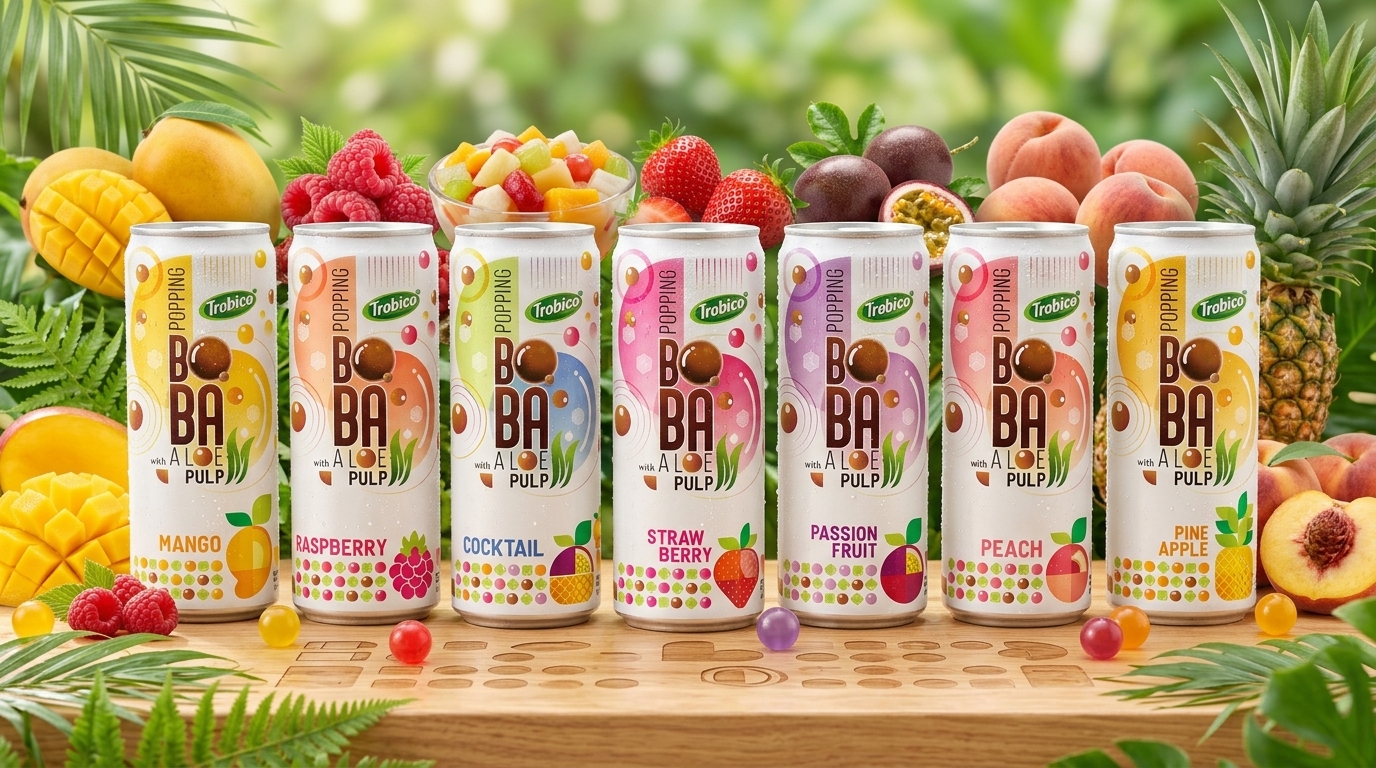
For businesses, staying ahead means partnering with suppliers who are invested in innovation. A brand's ability to quickly adapt to these trends—like offering a vibrant passion fruit variant in a highly portable format—is a strong indicator of its long-term viability in the global marketplace. Exploring a diverse portfolio, such as the range offered under the Trobico brand, can provide a competitive edge.
Frequently Asked Questions
What is driving the global growth of ready-to-drink bubble tea?
The growth is fueled by a combination of factors: the globalization of Asian food trends, rising demand for convenient and portable beverage formats, continuous flavor innovation beyond traditional milk tea, and packaging advancements like aluminum cans that enhance shelf life, portability, and premium perception.
Why is aluminum can packaging significant for this product category?
Aluminum cans offer superior logistical benefits (durability, stackability), excellent product protection from light/oxygen, a strong premium association in the beverage aisle, and high recyclability, which aligns with sustainability trends. This makes them ideal for both export markets and appealing to modern retailers and environmentally conscious consumers.
What are the key distribution channels for RTD bubble tea?
A dual-channel strategy is most effective. Modern retail (supermarkets, convenience stores) provides volume and broad consumer access. The HoReCa channel (hotels, restaurants, cafes) builds brand credibility, influences trends, and serves the on-premise consumption occasion, often with higher margin potential.
What should importers look for in a manufacturing partner for RTD bubble tea?
Importers should prioritize partners with proven, scalable production capacity, stringent quality control and food safety certifications (FDA, ISO, etc.), experience in international export logistics, and a demonstrated commitment to product innovation aligned with market trends.
How can F&B businesses effectively incorporate canned bubble tea into their offerings?
F&B businesses can leverage canned bubble tea as a low-effort, high-impact menu addition. It requires no preparation, reduces waste, and offers a consistent, trendy product. It's perfect for takeaway/delivery menus, as a non-alcoholic option in bars, or as a grab-and-go item in hotel minibars and cafe counters.



 No.08, Thong Nhat Boulevard,