The global beverage landscape is undergoing a significant transformation, driven by shifting consumer preferences and innovative product formats. At the forefront of this evolution is the explosive growth of the bubble tea market, now expanding beyond traditional cafes into the lucrative ready-to-drink (RTD) segment. For importers, distributors, and F&B businesses, understanding this trend is not just an opportunity—it's a strategic imperative for portfolio diversification and growth.
Key Takeaways
- The global ready-to-drink bubble tea market is experiencing unprecedented growth, fueled by convenience and flavor innovation.
- Major brands like Trobico, under the RITA beverage group, are pioneering canned formats that address key supply chain and shelf-life challenges.
- Aluminum can packaging is becoming the standard for premium RTD tea exports, offering logistical and branding advantages.
- Fruit-flavored variants, such as mango, are capturing new consumer demographics and driving category expansion.
- Strategic partnerships with reliable manufacturers are critical for securing consistent quality and scalable supply for international distribution.
Decoding the Global Bubble Tea Phenomenon
Originating from Taiwan in the 1980s, bubble tea has transcended its regional roots to become a worldwide cultural and commercial sensation. The market, valued in the multi-billions, continues to grow at a double-digit CAGR. This growth is no longer confined to physical stores. The RTD segment is the new battleground, capturing consumers who seek the iconic tapioca pearl experience with the convenience of a grab-and-go format.
This shift presents a monumental opportunity for the B2B sector. Distributors can now offer a product with high turnover potential without the operational complexities of a fresh brew setup. The scalability of canned or bottled bubble tea makes it ideal for supermarkets, convenience stores, vending machines, and hospitality venues, dramatically expanding its reach compared to shop-only models.
Consumer Behavior: The Demand for Convenience and Novelty
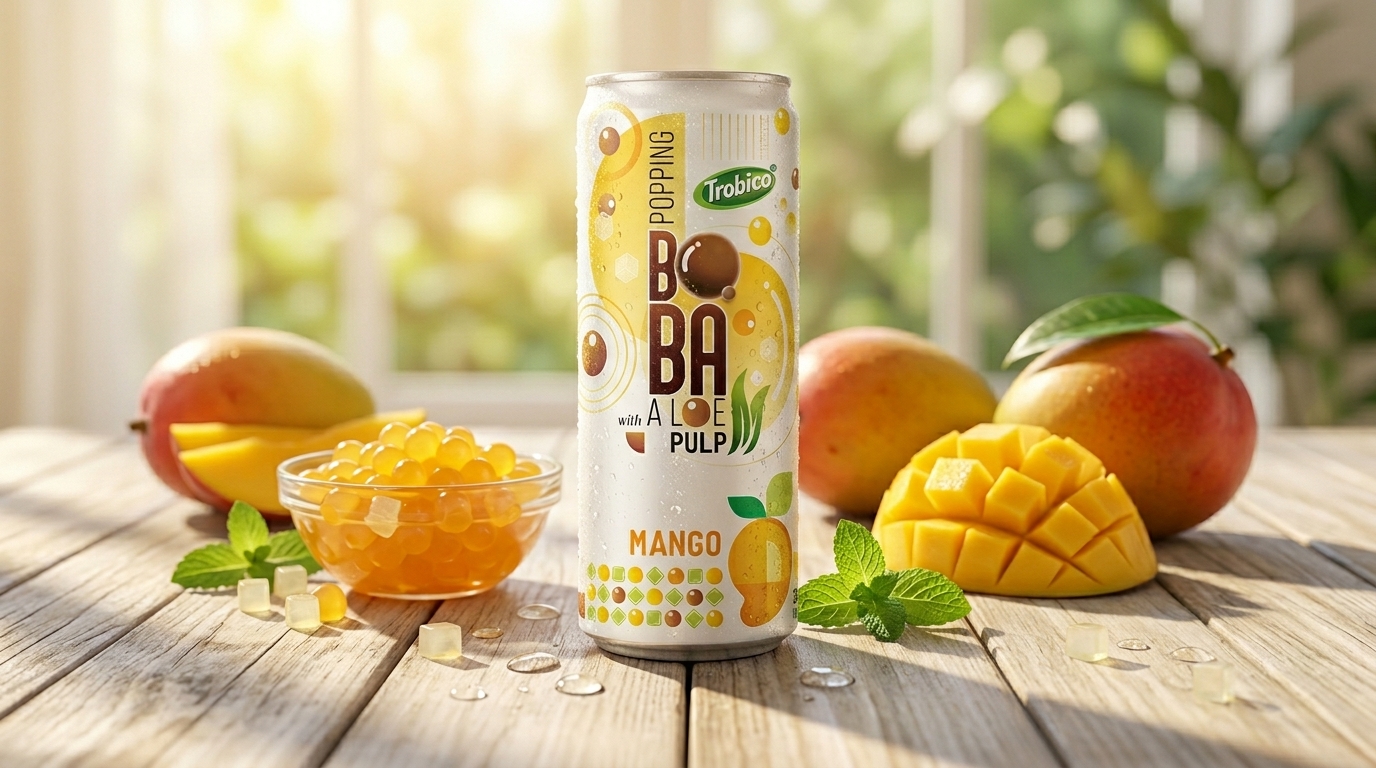
Modern consumers, especially Gen Z and millennials, are driving demand for experiential beverages that offer both novelty and convenience. They seek authentic taste profiles but are unwilling to compromise on portability. A canned mango flavored bubble tea perfectly encapsulates this demand. It delivers a familiar, tropical flavor experience with the added fun of tapioca pearls, all in a format that fits an on-the-go lifestyle.
The appeal of fruit flavors like mango cannot be overstated. They offer a universally palatable entry point into the bubble tea category, often acting as a gateway for consumers new to the concept. For businesses, this means a broader target audience and reduced market education costs. The flavor acts as a familiar anchor, while the texture of the pearls provides the novel element that encourages trial and repeat purchase.
The Strategic Advantage of Canned Formats in Export and Distribution
From a supply chain perspective, the move to canned formats like the 320ml aluminum can is a game-changer. Aluminum cans offer superior protection against light and oxygen, which are critical for preserving the delicate flavor profile of tea-based drinks and the texture of the pearls. This extends shelf life significantly, a non-negotiable factor for long-distance export and efficient inventory management.
Logistically, cans are robust, stackable, and cost-effective to ship. They also align with growing consumer and regulatory pressure for sustainable, recyclable packaging. For an importer, sourcing a product like the Delicious Mango Flavored Bubble Tea in a 320ml can means dealing with a stable, transport-friendly product that minimizes spoilage and damage risks. This reliability builds trust with downstream retail partners.
Production Line Expertise: The Backbone of Consistent Quality
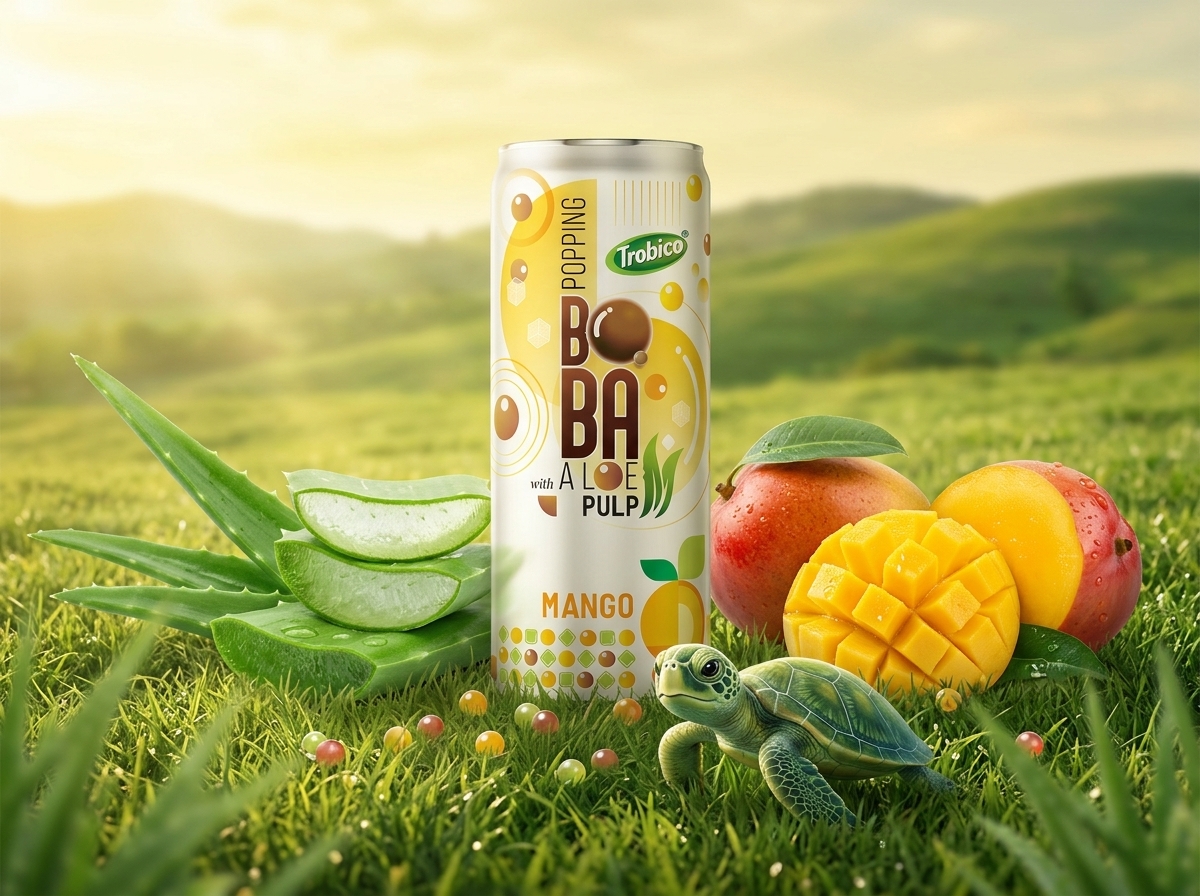
The complexity of producing a shelf-stable RTD bubble tea should not be underestimated. It requires advanced aseptic filling technology to ensure the pearls remain palatable and the drink remains microbiologically stable. Manufacturers with dedicated production lines for such products, like those employed by established groups such as RITA for their Trobico brand, represent a tier of supplier capability.
For B2B buyers, partnering with a manufacturer that has mastered this process is crucial. It guarantees batch-to-batch consistency in pearl texture, sweetness level, and flavor intensity—key factors that define brand loyalty. Inconsistent quality is the fastest way to erode retailer and consumer confidence in a nascent category.
Market Applications and HORECA Opportunities
The application of RTD bubble tea extends far beyond retail shelves. The Hotel/Restaurant/Cafe (HORECA) channel represents a massive opportunity. Hotels can stock mini-bars with premium canned bubble tea as a unique amenity. Restaurants can offer it as a non-alcoholic specialty beverage, reducing preparation time and kitchen complexity.
For cafes, it serves a dual purpose. It can complement a fresh-made menu, offering a quick alternative during peak hours, or it can act as a flagship product for kiosks and locations with limited space for traditional brewing equipment. The versatility of a single-serve, ready-to-consume format like this aluminum can bubble tea opens multiple revenue streams within the F&B ecosystem.
Export Dynamics: Navigating Regulations and Finding Your Niche
Exporting RTD beverages requires meticulous attention to the destination market's food safety regulations (like FDA compliance in the U.S.), labeling laws, and ingredient approvals. Reputable manufacturers will have the necessary certifications (HACCP, ISO, etc.) and experience in preparing documentation for international shipments, significantly lowering the barrier to entry for distributors.
Success in export often comes from identifying underserved niches. Is there a lack of authentic Asian beverage brands in your target region? Is the mango flavor segment underdeveloped? Positioning a well-crafted product from a known manufacturing group like RITA's Trobico can fill that gap. The key is to offer a complete brand story—combining flavor, format, and reliable supply—not just a commodity.
Building a Future-Proof Beverage Portfolio
For wholesalers and importers, the decision to add a product is an investment in future trends. The RTD bubble tea category checks several critical boxes: alignment with flavor trends (fruit teas), format trends (canned premium drinks), and experiential consumption. It attracts a high-value demographic and commands a premium price point.
Integrating such products requires viewing them as more than just another SKU. They are a statement about your distribution company's market foresight. Offering a range that includes innovative items from trusted producers positions your business as a forward-thinking partner to retailers, helping them capture new demand and increase basket size.
The journey from a traditional brewed drink to a globally distributable canned product exemplifies modern food technology meeting ancient culinary tradition. For the savvy business professional in the food and beverage industry, this convergence is where significant value is created and captured.
Frequently Asked Questions
What is driving the global growth of ready-to-drink bubble tea?
The growth is primarily driven by the global popularity of bubble tea culture, combined with a strong consumer demand for convenient, on-the-go beverage formats. The innovation in packaging, like aluminum cans that preserve pearl texture, has made widespread distribution and export commercially viable.
Why are aluminum cans preferred for exporting bubble tea?
Aluminum cans provide an excellent barrier against light and oxygen, crucial for maintaining flavor and preventing spoilage during long transport and storage. They are also sturdy, stackable, recyclable, and align with global sustainability trends, making them the ideal choice for international supply chains.
What should distributors look for in a ready-to-drink bubble tea supplier?
Distributors should prioritize suppliers with proven expertise in aseptic filling technology for particulate drinks (like tapioca pearls), relevant international food safety certifications (FDA, HACCP, ISO), and a strong track record in export documentation. Consistent quality and reliable production capacity are paramount.
How can RTD bubble tea be utilized in the HORECA (Hotel/Restaurant/Cafe) channel?
In HORECA, RTD bubble tea can be sold as a premium non-alcoholic beverage in restaurants, stocked in hotel minibars, or offered as a quick-serve option in cafes to complement fresh-made menus. It reduces preparation time and equipment needs while adding a trendy, high-margin item to the drink list.
Is the mango flavor a significant trend in the bubble tea market?
Yes, mango and other tropical fruit flavors are highly significant. They offer a familiar and widely appealing taste profile that acts as an accessible entry point for new bubble tea consumers, helping to expand the category's demographic reach beyond traditional audiences.



 No.08, Thong Nhat Boulevard,