The global ready-to-drink (RTD) coffee market is undergoing a remarkable transformation, driven by shifting consumer preferences, urbanization, and the demand for premium yet convenient experiences. As traditional coffee consumption evolves from a sit-down affair to an on-the-go ritual, canned coffee has emerged as a powerhouse category within the beverage industry. For importers, distributors, and F&B businesses looking to capitalize on this trend, understanding the production capabilities and product innovation behind leading manufacturers is essential. One notable example of this evolution is the New Design 250ml Can Mocha Arabica Coffee Drink, a product that exemplifies how modern production lines are meeting the demands of a sophisticated global audience.
Key Takeaways
- The global RTD coffee market is projected to grow significantly, with canned mocha arabica coffee drinks leading the charge due to their balance of premium flavor and portability.
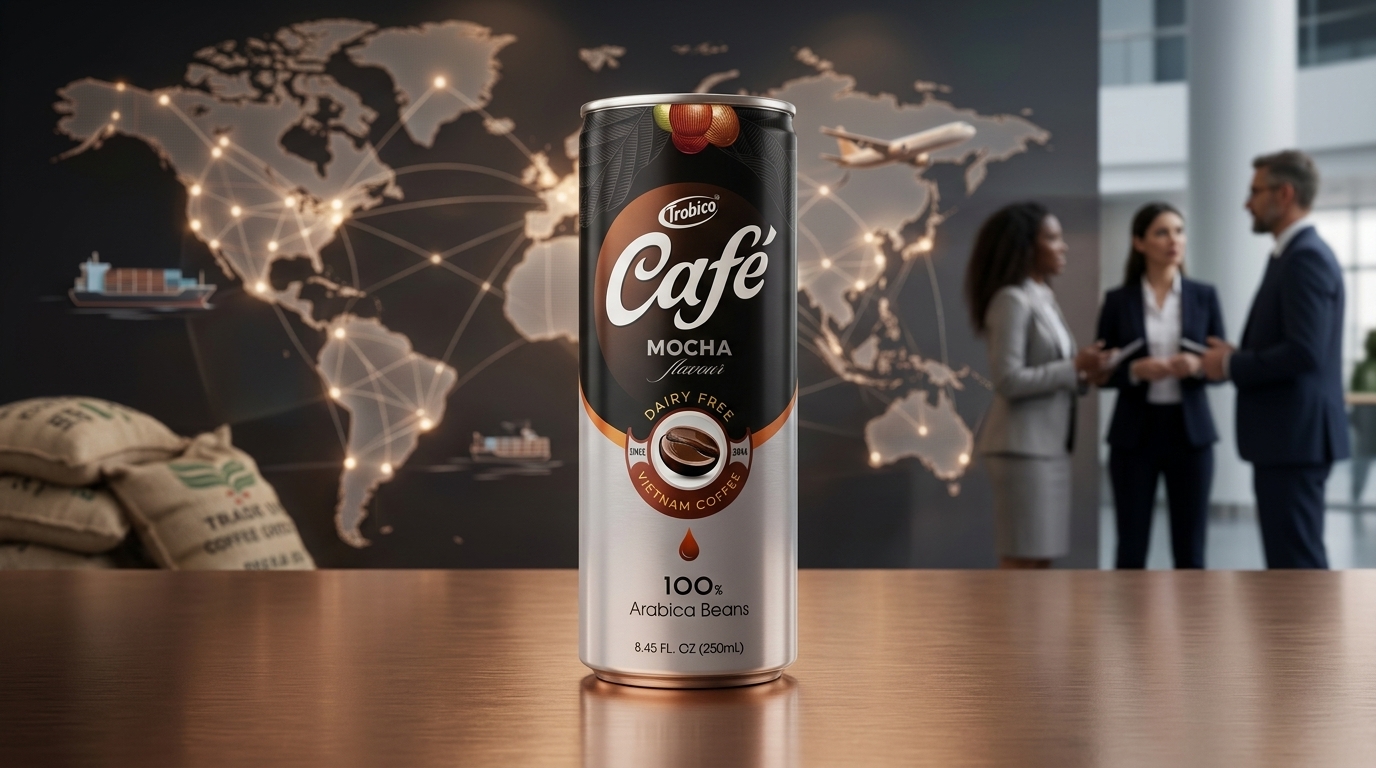
- Advanced production lines, such as those used for the New Design 250ml Can Mocha Arabica Coffee Drink, are critical for ensuring consistent quality and scalability for export markets.
- Mocha arabica coffee drinks are gaining traction in HORECA channels, offering a ready-to-serve solution that reduces waste and labor costs while maintaining high taste standards.
- Retail and distribution strategies for canned coffee must emphasize convenience, premium positioning, and supply chain reliability to capture the growing on-the-go consumer segment.
- Vietnam’s role as a major coffee producer and exporter makes it a strategic sourcing hub for RTD coffee products, with brands like Trobico leveraging local expertise for global distribution.
The Global Surge of Ready-to-Drink Coffee: A Market in Motion
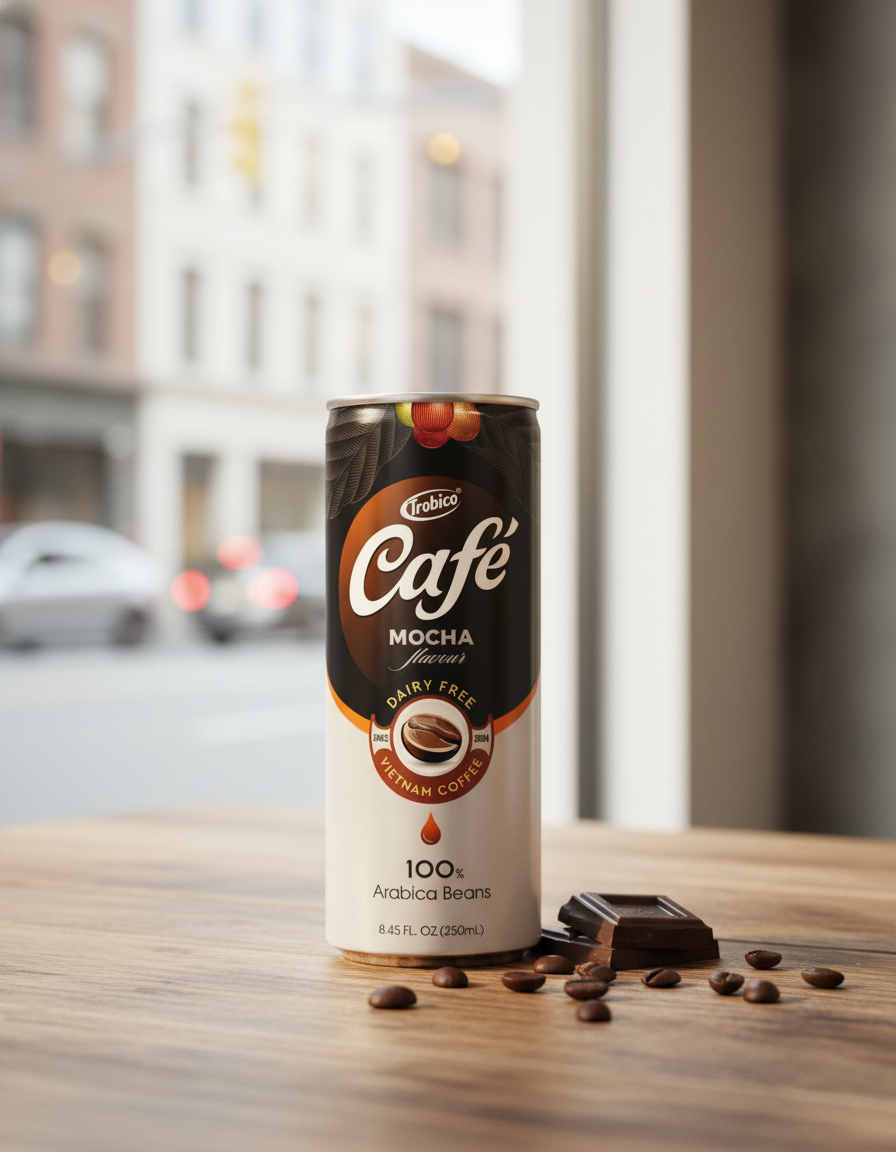
The RTD coffee market has experienced explosive growth over the past decade, with projections indicating a compound annual growth rate (CAGR) of over 7% through 2030. This surge is fueled by a generation of consumers who prioritize speed without sacrificing quality. Unlike instant coffee, which often compromises on flavor, or freshly brewed coffee, which requires time and equipment, canned RTD coffee offers a middle ground that appeals to busy professionals, travelers, and young urbanites. The mocha variant, in particular, has become a favorite due to its rich combination of chocolate and coffee notes, making it a versatile option for both everyday consumption and special occasions.
For businesses involved in the import and distribution of beverages, understanding the nuances of this market is no longer optional—it is a strategic imperative. The demand for premium ingredients, such as Arabica beans, has risen sharply, as consumers become more educated about coffee quality. This is where products like the New Design 250ml Can Mocha Arabica Coffee Drink come into play. By using Arabica beans, manufacturers can offer a smoother, less bitter profile that competes directly with café-made beverages. This product is not just a drink; it is a representation of how production lines have adapted to deliver café-quality experiences in a portable format.
Production Lines and Quality Assurance: The Backbone of Export Success
One of the most critical factors for success in the RTD coffee export market is the reliability of production lines. For distributors and wholesalers, consistent quality is paramount. A batch that varies in taste, texture, or packaging can damage brand reputation and lead to costly returns. The New Design 250ml Can Mocha Arabica Coffee Drink is manufactured using state-of-the-art production lines that ensure uniformity across millions of units. These lines are designed to handle the delicate extraction process of Arabica beans, preserving their aromatic compounds while maintaining the rich mocha flavor profile.
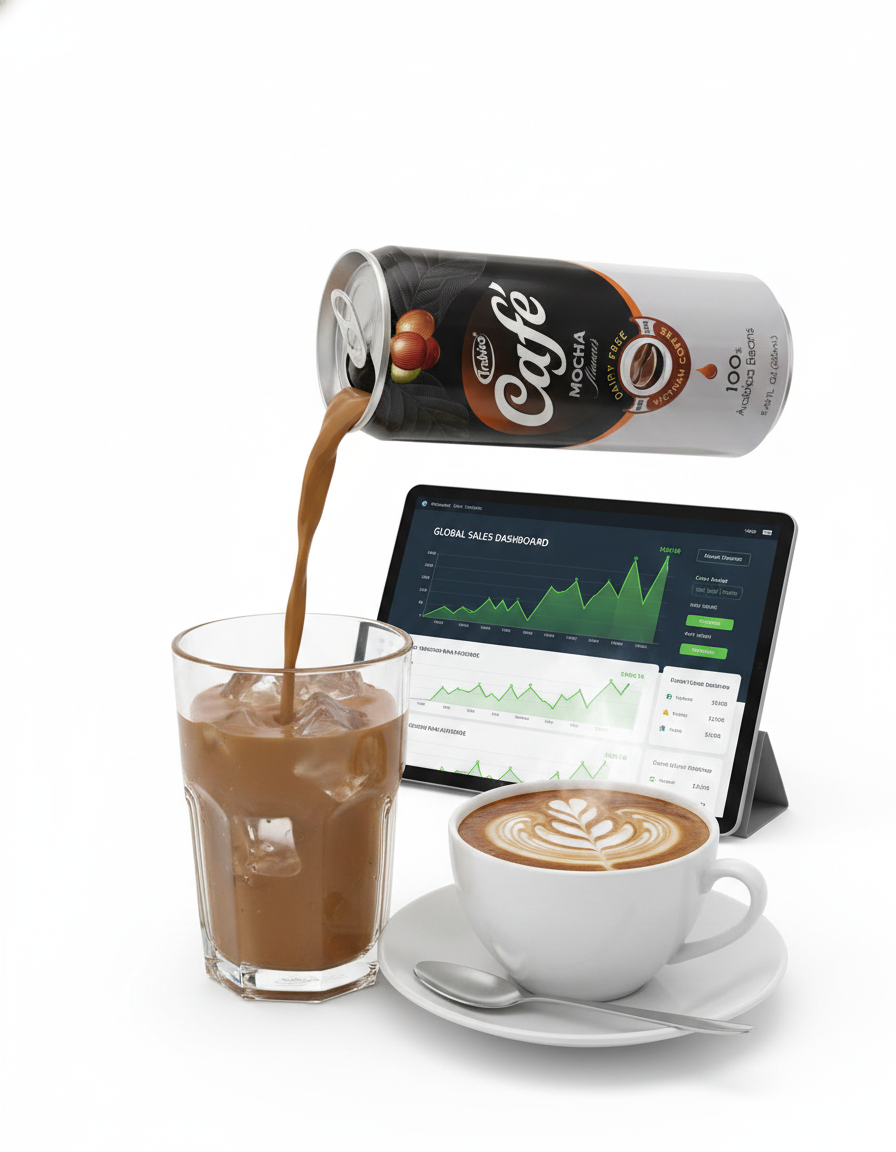
From a business perspective, advanced production lines also offer scalability. As demand for RTD coffee grows in markets like North America, Europe, and Southeast Asia, manufacturers must be able to ramp up production without compromising on quality. The Trobico brand, under the umbrella of RITA, has invested heavily in this area. Their production facilities are equipped with automated systems that monitor everything from ingredient mixing to can sealing, reducing human error and increasing efficiency. For importers, this means a more reliable supply chain and the ability to negotiate larger contracts with confidence.
Additionally, the packaging design plays a crucial role in shelf appeal and preservation. The 250ml can format is particularly popular because it is small enough to fit in a bag or cup holder, yet large enough to provide a satisfying serving. The new design of this mocha arabica coffee drink also incorporates modern graphics that resonate with younger consumers, making it a strong candidate for retail placement in convenience stores, supermarkets, and vending machines. For distributors, a product that stands out on the shelf can significantly reduce the time it takes to move inventory.
Consumer Behavior and the Premiumization of Canned Coffee
Consumer behavior in the beverage sector has shifted dramatically in recent years. The days when canned coffee was seen as a low-quality, last-resort option are fading. Today’s consumers are willing to pay a premium for products that offer authentic flavors, high-quality ingredients, and sustainable sourcing. The mocha arabica coffee drink fits perfectly into this premiumization trend. By using Arabica beans, which are generally considered superior to Robusta, manufacturers can justify a higher price point and position their product as a luxury convenience item.
For F&B businesses, this presents a unique opportunity. In the HORECA sector, canned mocha arabica coffee can be used as a base for signature drinks, reducing the need for barista training and expensive espresso machines. Hotels and restaurants can serve it as a standalone beverage or as part of a dessert pairing, adding value to their menu without increasing operational complexity. The 250ml can size is ideal for room service, mini-bars, and catering events, where consistency and speed are key.
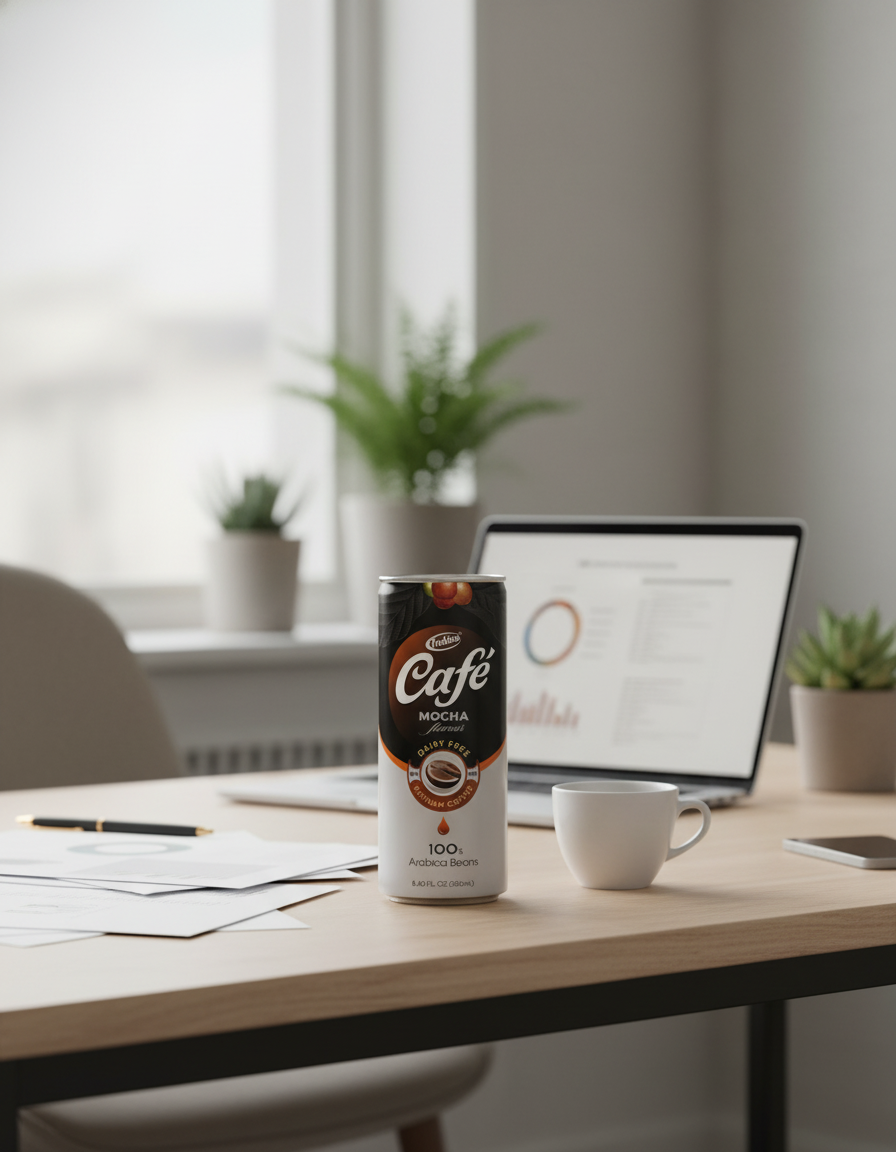
Moreover, the rise of e-commerce has made it easier for distributors to reach niche audiences. Online platforms allow for direct-to-consumer sales, where brands can tell the story behind their product—such as the sourcing of Arabica beans or the innovation in production lines. This transparency builds trust and encourages repeat purchases. For wholesalers, having a product with a strong digital presence can be a significant advantage in a crowded market.
Retail and Distribution Strategies for the Modern Era
Successfully bringing a canned mocha arabica coffee drink to market requires a well-thought-out distribution strategy. Traditional retail channels like supermarkets and convenience stores remain important, but they are no longer the only game in town. Specialty coffee shops, gyms, universities, and corporate offices are emerging as high-potential points of sale. For distributors, this means building relationships with a diverse range of buyers and understanding their specific needs.
One effective strategy is to offer tiered pricing for bulk orders, which appeals to wholesalers and large retailers. The 250ml can format is particularly well-suited for multipacks, which are popular among consumers who want to stock up for the week. Additionally, promotional campaigns that highlight the product’s premium ingredients and modern production methods can help differentiate it from competitors. For example, emphasizing that the drink is made with Arabica beans on advanced production lines can be a powerful selling point in a market saturated with lower-quality options.
Another key consideration is logistics. RTD coffee products have a relatively long shelf life, but they must be stored in cool, dry conditions to maintain flavor integrity. Distributors should work closely with manufacturers to ensure that the supply chain is optimized for temperature control and timely delivery. The Trobico brand, with its strong manufacturing base in Vietnam, is well-positioned to serve both regional and international markets, thanks to the country’s strategic location and robust export infrastructure.
Export Opportunities and Global Market Trends
Vietnam is the world’s second-largest coffee exporter, and its expertise in coffee production is now being leveraged for RTD beverages. For importers looking to diversify their product portfolio, canned mocha arabica coffee from Vietnam offers a compelling value proposition. The country’s competitive labor costs and favorable trade agreements make it an attractive sourcing destination. Furthermore, the growing popularity of Vietnamese coffee culture abroad has created a natural demand for authentic, high-quality coffee products.
The European and North American markets are particularly promising for RTD coffee exports. In these regions, consumers are increasingly seeking out functional beverages that offer both energy and indulgence. Mocha arabica coffee drinks, with their natural caffeine content and rich flavor, fit this bill perfectly. Additionally, the clean-label movement has encouraged manufacturers to use simpler ingredient lists, which aligns with the production philosophy of brands like Trobico. By focusing on transparency and quality, exporters can build long-term relationships with international buyers.
For businesses in the F&B sector, staying ahead of these trends requires continuous market research and a willingness to adapt. The success of the New Design 250ml Can Mocha Arabica Coffee Drink serves as a case study in how innovation in production lines and product design can open up new opportunities. As the global appetite for premium canned coffee continues to grow, those who invest in quality and distribution will be best positioned to reap the rewards.



 No.08, Thong Nhat Boulevard,