The global beverage industry is undergoing a significant transformation. Driven by shifting consumer preferences and the relentless pursuit of new experiences, the market is moving beyond traditional soft drinks. A key trend fueling this evolution is the demand for novel, experiential beverages that combine unique textures, flavors, and formats. This shift presents a substantial opportunity for Asian manufacturers, particularly those with strong production capabilities and innovative brand portfolios, to expand their reach into international markets.
Key Takeaways
- The global beverage market is increasingly driven by experiential consumption, where texture and novelty are as important as flavor.
- Asian beverage manufacturers are well-positioned to lead in novelty beverage production due to advanced production technology and understanding of local taste trends.
- Strategic branding under separate labels, like RITA's Trobico, allows companies to target specific consumer segments and market niches effectively.
- The HoReCa (Hotel, Restaurant, Cafe) channel represents a high-growth avenue for unique, ready-to-drink (RTD) products that enhance the dining experience.
- For importers and distributors, sourcing from established producers with diverse production lines mitigates risk and ensures consistent supply of trending products.
Decoding the Experiential Beverage Trend
Modern consumers, especially Millennials and Gen Z, are not just buying a drink to quench thirst. They are purchasing an experience. This has led to the explosive growth of beverages that offer multisensory engagement. The success of products like bubble tea, which introduced the textural element of tapioca pearls to a global audience, is a prime example.
The trend has now evolved into canned and bottled RTD formats that incorporate similar textural surprises. Products featuring "popping boba"—juice-filled spheres that burst in the mouth—exemplify this shift. They deliver a familiar flavor profile, such as peach, paired with an unexpected and playful texture. This combination caters directly to the desire for novelty and shareable moments, both in retail and foodservice settings.
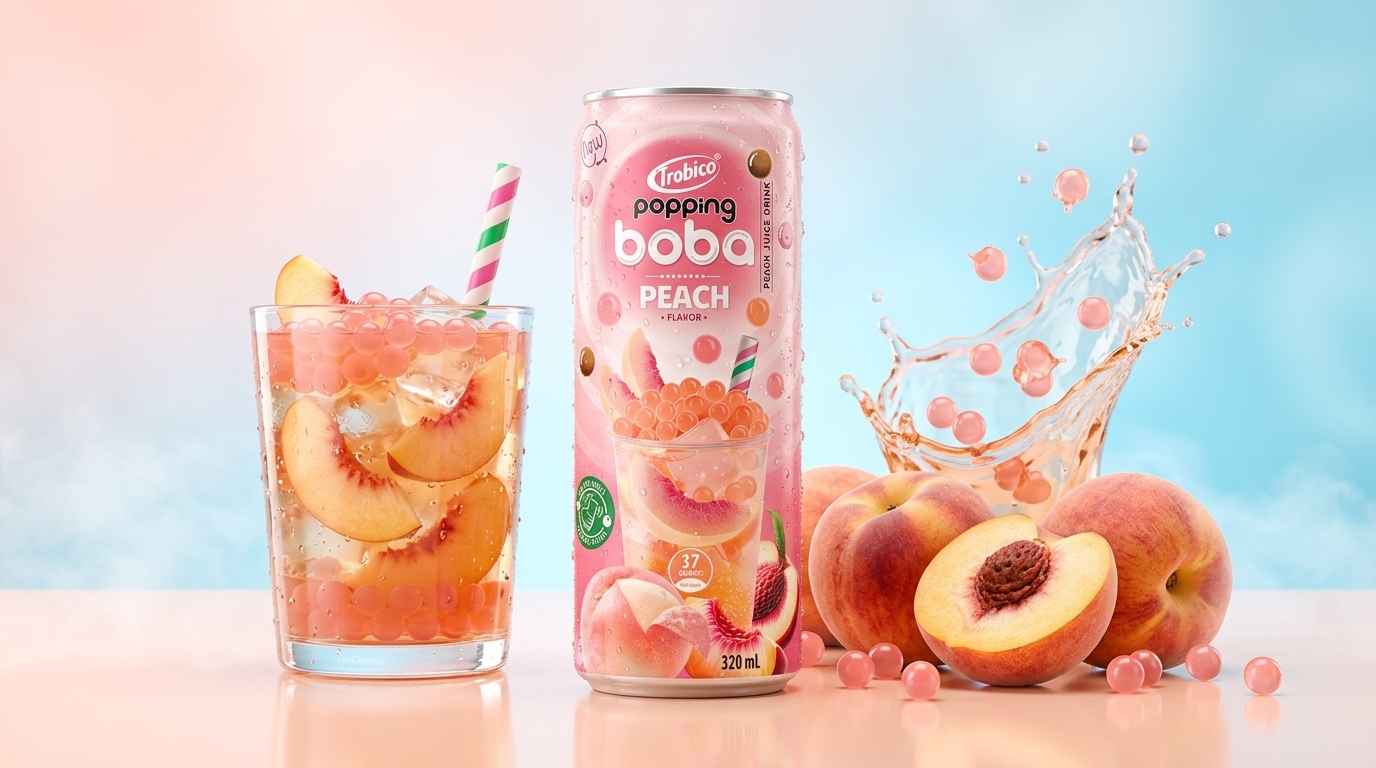
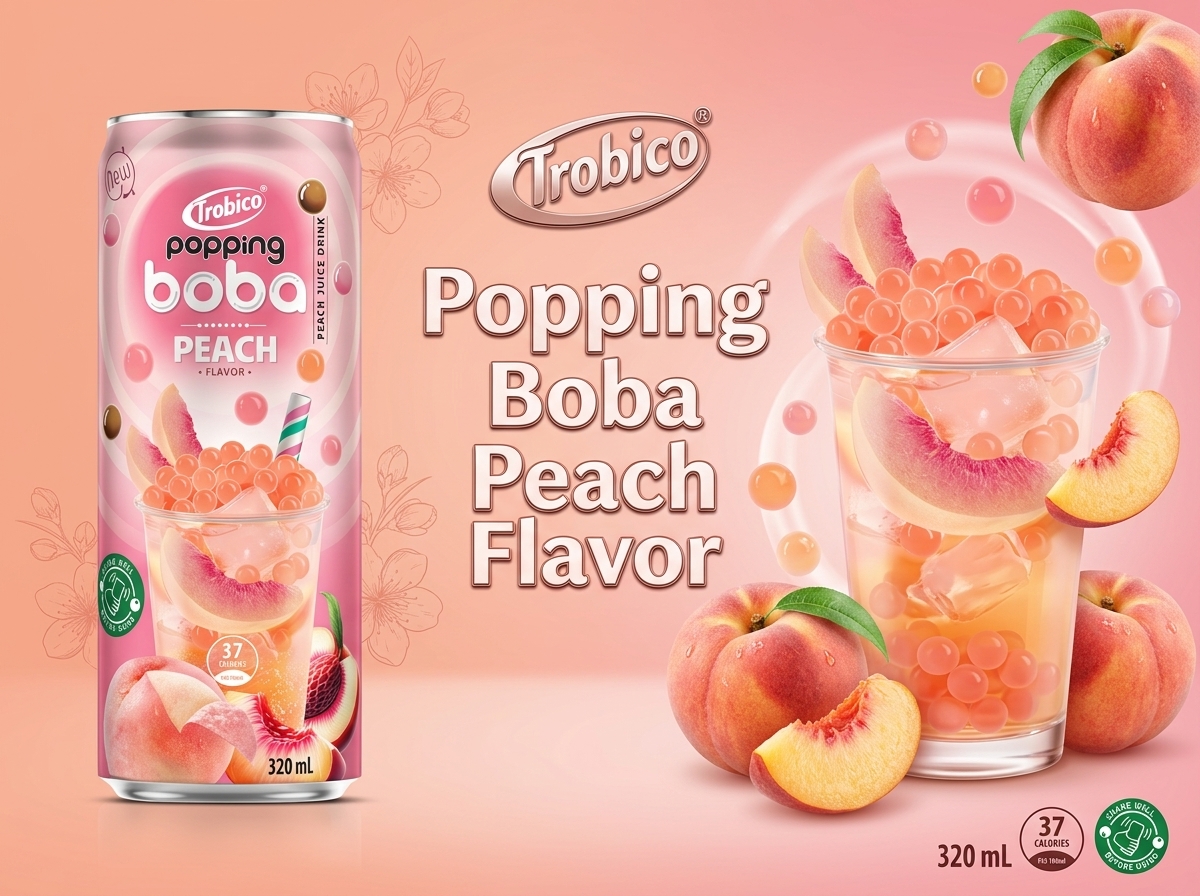
For instance, a product like the Popping Boba Peach Flavor 320ml Can from Trobico is a direct response to this market demand. It translates a popular foodservice concept into a convenient, shelf-stable format suitable for mass distribution.
Asian Manufacturing Prowess in Beverage Innovation
Asia, and Southeast Asia in particular, has become a hotbed for beverage innovation. Markets like Vietnam, Thailand, and Taiwan have deeply ingrained street food and drink cultures that constantly experiment with flavors and textures. This cultural foundation provides a rich source of inspiration for product development.
More importantly, manufacturers in this region have invested heavily in advanced production lines capable of handling complex formulations. The technology to consistently integrate delicate elements like popping boba into a liquid base, ensure proper sealing in cans, and maintain product integrity through the supply chain requires sophisticated engineering and quality control.
Companies like RITA, which operates multiple brands including Trobico, demonstrate strategic market segmentation. While a master brand like RITA may cater to a broad audience, a sub-brand like Trobico can be leveraged to specifically target younger, trend-focused consumers with innovative products. This allows for focused marketing and clear brand positioning in a crowded marketplace.
Strategic Distribution: From Retail Shelves to HoReCa Channels
The distribution strategy for novelty beverages must be as dynamic as the products themselves. While supermarkets and convenience stores are crucial, the HoReCa channel offers a powerful avenue for brand building and volume sales.
- Cafes & Bubble Tea Shops: These establishments can use canned novelty drinks as a complementary offer, providing consistency and reducing preparation time for certain menu items.
- Restaurants: Unique beverages can enhance the dining experience, offering a premium alternative to standard soft drinks and increasing average order value.
- Entertainment Venues: Cinemas, karaoke bars, and bowling alleys are ideal for fun, shareable drinks that become part of the social experience.
For wholesalers and distributors, partnering with a manufacturer that offers products like the Trobico peach boba drink means tapping into multiple sales channels with a single SKU. The product's appeal spans impulse buys in convenience stores to bulk supply for foodservice operators.
Export Opportunities and Navigating Global Markets
The globalization of taste preferences has opened immense export potential for Asian novelty beverages. Markets in North America, Europe, and the Middle East show growing appetite for Asian-inspired food and drink concepts. However, successful export requires more than just a unique product.
Key considerations for importers include:
- Regulatory Compliance: Ensuring products meet all local food safety, labeling, and ingredient regulations (like FDA standards in the U.S.).
- Supply Chain Reliability: Working with manufacturers that have a proven track record of consistent quality and on-time delivery for international orders.
- Market Adaptation: While authentic flavors are appealing, slight adjustments to sweetness levels or flavor profiles may be necessary for certain regional palates.
Manufacturers with robust, multi-brand operations are often better equipped for export. Their experience in managing diverse production lines for different market segments translates into flexibility and scalability for international partners. Sourcing from such a producer provides a competitive edge in introducing novel beverage categories to new regions.
The Role of Packaging and Brand Story
In a competitive global market, packaging is a critical silent salesman. For novelty beverages, the packaging must communicate the experiential aspect immediately. Vibrant graphics, clear imagery of the textural element (like boba), and modern design are essential. The 320ml can format itself is strategic—it's portable, chillable, and perceived as modern and youthful compared to traditional bottles.
The brand story behind the product also adds value. For B2B buyers, understanding that a product comes from an established manufacturer like RITA, under a dedicated innovation brand like Trobico, adds a layer of trust and signifies a commitment to a specific product category. This narrative can be leveraged in marketing to end-consumers, highlighting authenticity and expert craftsmanship.
Future Outlook: Sustainability and Next-Generation Novelty
The future of the novelty beverage segment will be shaped by two major forces: sustainability and technological innovation. Consumers and B2B buyers are increasingly prioritizing environmentally friendly packaging, such as recyclable cans and reduced plastic use. Manufacturers leading in this area will secure long-term partnerships.
Furthermore, the next wave of innovation will likely involve functional ingredients (within approved regulatory frameworks for flavor and energy, not health claims), hybrid flavors, and even more advanced textural components. Producers with agile R&D departments and flexible production lines will be first to market with these next-generation products.
For businesses looking to capitalize on these trends, establishing a relationship with a forward-thinking manufacturer is key. Exploring their portfolio, such as the innovative range offered by Trobico which includes items like their signature peach boba canned beverage, provides a tangible view into current market capabilities and future potential.
Frequently Asked Questions
What makes novelty beverages like popping boba drinks a good opportunity for distributors?
They cater to a high-growth, experience-driven consumer trend, have appeal across multiple sales channels (retail and HoReCa), and offer higher margins than traditional commodity soft drinks due to their perceived value and uniqueness.
Why should an importer consider sourcing from a multi-brand manufacturer like RITA?
Multi-brand manufacturers often have greater production scale, more rigorous quality control systems, and deeper R&D resources. They can also offer a more diverse product portfolio, allowing importers to source multiple trending SKUs from a single, reliable partner, simplifying logistics and supply chain management.
How important is the can format for this beverage category?
Extremely important. Cans are highly recyclable, aligning with sustainability trends. They also chill quickly, protect flavors from light degradation, and are durable for transportation. The format is particularly popular in the convenience and single-serve segments, which are primary channels for impulse-driven novelty drinks.
What are the key factors in ensuring the quality of a textural beverage like a boba drink during export?
Critical factors include the manufacturer's expertise in stabilization technology to prevent texture degradation, robust packaging that withstands long transit, and a controlled cold chain or shelf-stable processing method. Partnering with a producer with proven export experience in delicate beverages is essential.
Can these products be customized for different international markets?
Yes, leading manufacturers often offer customization options. This can include adjustments to sweetness levels, development of region-specific flavors, or modifications to packaging design and size to meet local retailer requirements and consumer preferences.



 No.08, Thong Nhat Boulevard,