The global beverage industry has witnessed a remarkable shift in consumer preferences, with hydration taking center stage. Among the many options vying for attention, coconut water has emerged as a standout category. The demand for coconut water with electrolytes is not just a passing trend—it reflects a fundamental change in how consumers approach everyday refreshment. As natural sourcing becomes a priority for brands and retailers alike, Vietnam has positioned itself as a critical player in the global supply chain.
Key Takeaways
- Rising demand for functional hydration beverages is reshaping sourcing strategies worldwide.
- Vietnam's Ben Tre province supplies a significant share of the raw coconut water used in global products.
- OEM/ODM partnerships allow beverage brands to enter new markets without owning production facilities.
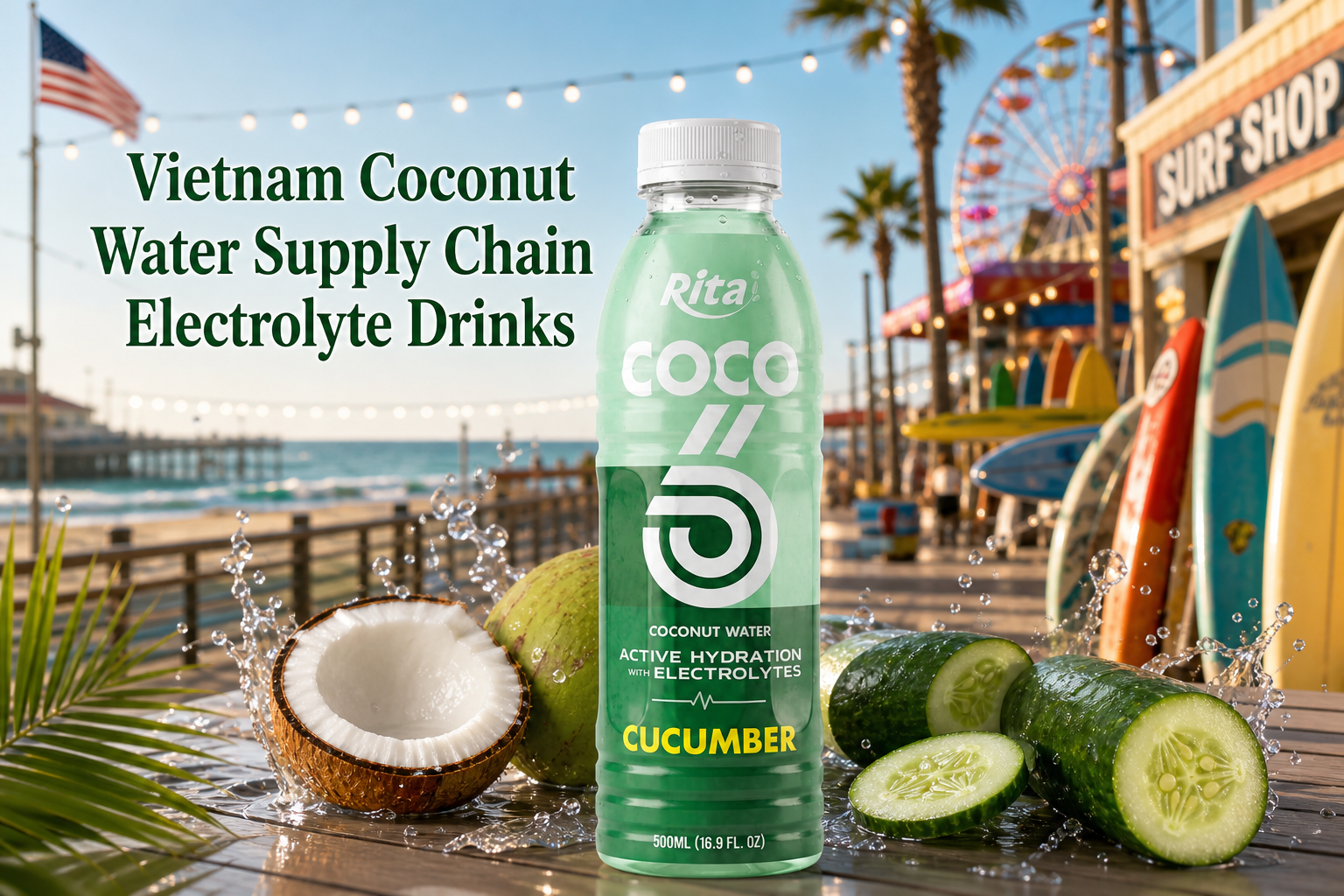
- The Americas region shows a growing appetite for coconut water with cucumber flavor.
- Export logistics and international certifications are decisive factors for supply chain success.
The Global Thirst for Coconut Water with Electrolytes
The beverage market has undergone a decade of transformation, and hydration drinks have become one of its most dynamic segments. Once confined to tropical regions, coconut water has crossed borders to become a mainstream choice for consumers seeking natural refreshment. The surge is particularly evident in the sports and active lifestyle category, where coconut water with electrolytes offers an alternative to synthetic formulations. Brands that once relied on artificial colors and flavors are now recalibrating their portfolios to include plant-based, naturally sourced ingredients.
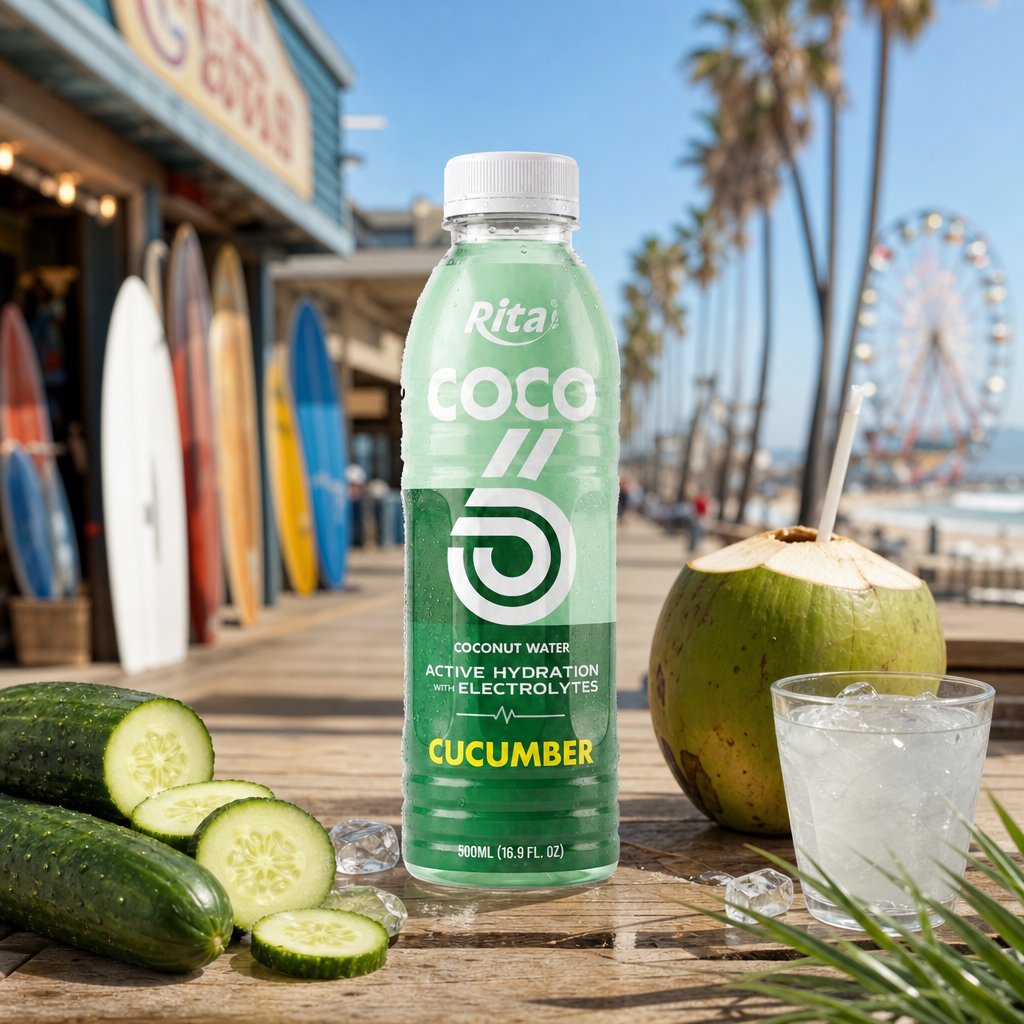
According to industry analysis, the global coconut water market is projected to grow steadily over the next decade. This growth is fueled by a combination of factors: rising health awareness, increased availability of packaged beverages, and the expanding middle class in emerging economies. For importers and distributors, the appeal of coconut water lies in its versatility—it can be consumed on its own, blended with fruit flavors, or combined with electrolytes to create a functional drink. The cucumber variant, in particular, has attracted attention for its crisp, cooling profile that sets it apart from traditional coconut water.
Why Cucumber Flavor Is Gaining Traction
The cucumber flavor represents a novel twist on a familiar beverage. Unlike overly sweet or acidic options, cucumber-infused coconut water offers a subtle, refreshing taste that resonates with consumers seeking balance. This flavor profile is especially popular in warmer climates, where a light and invigorating drink is preferred. The combination of coconut water and cucumber creates a naturally smooth texture, with a clean finish that appeals to a wide demographic. Retailers in the Americas have increasingly listed cucumber-flavored coconut water as a top-performing SKU, indicating strong market acceptance.
Electrolyte Drinks vs. Traditional Sports Beverages
Sports beverages have historically dominated the hydration category, but their high sugar content and artificial ingredients have prompted many consumers to reconsider. Coconut water with electrolytes provides a naturally occurring balance of minerals, making it an attractive substitute. Unlike synthetic electrolyte drinks, coconut water offers a mild, pleasant taste without the heavy aftertaste. This shift has encouraged major beverage brands to explore coconut water-based formulations. For OEM manufacturers like RITA Food & Drink Co., Ltd., this trend represents a significant opportunity to supply high-quality coconut water concentrate and finished products to global partners.
From Ben Tre Coconut Farms to Global Bottles
Vietnam's coconut production is concentrated in the Mekong Delta, with Ben Tre province often called the "coconut capital" of the country. The region's favorable climate and soil conditions yield coconuts that are prized for their sweet, clear water. For RITA, raw material sourcing is a key pillar of its supply chain strategy. The company has built strong relationships with local farmers and cooperatives, ensuring a consistent supply of fresh coconuts throughout the year.
One of the most significant aspects of RITA's sourcing approach is its commitment to traceability. By maintaining close ties with the Ben Tre coconut farm, the company can monitor quality from plantation to processing. This direct farm linkage not only secures raw materials but also supports local agricultural communities. For international buyers, this traceability provides confidence in the origin and quality of the coconut water they are purchasing.
To give partners a closer look at their sourcing operations, RITA has shared a video journey from the coconut farm, showcasing the plantation and harvesting process. This transparency is a hallmark of modern supply chain management. Watch the full video below to see how the journey from farm to bottle begins.
https://www.youtube.com/watch?v=I7hlTL3FT_0
Manufacturing Excellence: OEM, ODM, and Global Certifications
Transforming raw coconut water into a shelf-stable, ready-to-drink product requires advanced manufacturing capabilities and rigorous quality control. RITA operates over 50 automated production lines, with a monthly export volume exceeding 1,200 containers. The company's facilities are equipped to handle a wide range of packaging formats, including PET bottles, which are ideal for the 500ml single-serve segment. This packaging format is particularly well-suited for on-the-go consumption in urban markets.
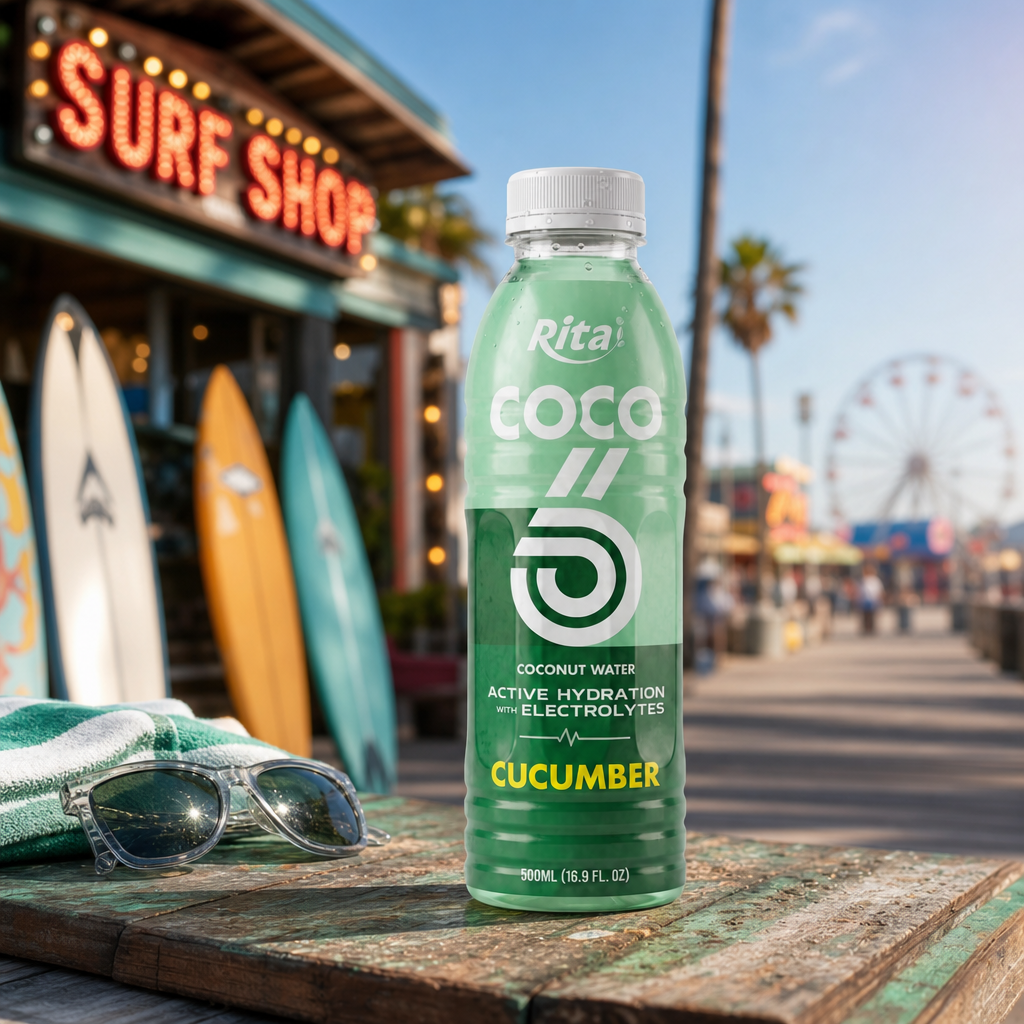
When it comes to coconut water with electrolytes, the production process must ensure a precise balance of minerals and flavor. RITA's in-house R&D team works closely with clients to develop custom formulations, including the COCO Active Hydration Coconut Water with Electrolytes – Cucumber Flavor. This 500ml PET bottle product combines coconut water, a touch of cucumber flavor, and a balanced electrolyte blend. The result is a refreshing drink that meets the growing demand for clean-label hydration options.
Customization for the Americas Market
For importers and distributors in the Americas—from the United States to Brazil, Mexico to Chile—RITA offers extensive customization opportunities. Brand owners can adjust sweetness levels, flavor intensity, electrolyte concentrations, and even packaging design to suit regional preferences. This flexibility is made possible by the company's OEM/ODM service model. Whether a client needs a private label coconut water or a completely new concept, RITA can bring it to market efficiently. The company's commitment to innovation is reflected in its broad portfolio of coconut products, which includes various flavors and functional formats.
Quality Assurance and Compliance
Exporting food and beverages to international markets demands adherence to stringent safety and quality standards. RITA holds a comprehensive set of certifications, including BRC, FSSC 22000, ISO, HACCP, and Halal. These certifications are not just badges—they represent a systematic approach to quality management that ensures product consistency and safety. For buyers in the Americas, compliance with FDA regulations and local food safety laws is a prerequisite. RITA's production processes are designed to meet these requirements, with each batch accompanied by a Certificate of Analysis (COA) as part of the documentation package.
Navigating Export Logistics and Global Supply Chains
Supply chain resilience has become a top priority for beverage companies worldwide. The ability to deliver large volumes of finished goods on time, at the right price, and with the required quality standard is what separates successful suppliers from those that struggle. RITA's export capabilities are well-documented, with a supply capacity of 600 twenty-foot containers per month and a delivery time of 20–25 days after order confirmation. The goods are shipped from Ho Chi Minh Port, one of Vietnam's busiest seaports, providing convenient access to major shipping routes across the Pacific and Atlantic.
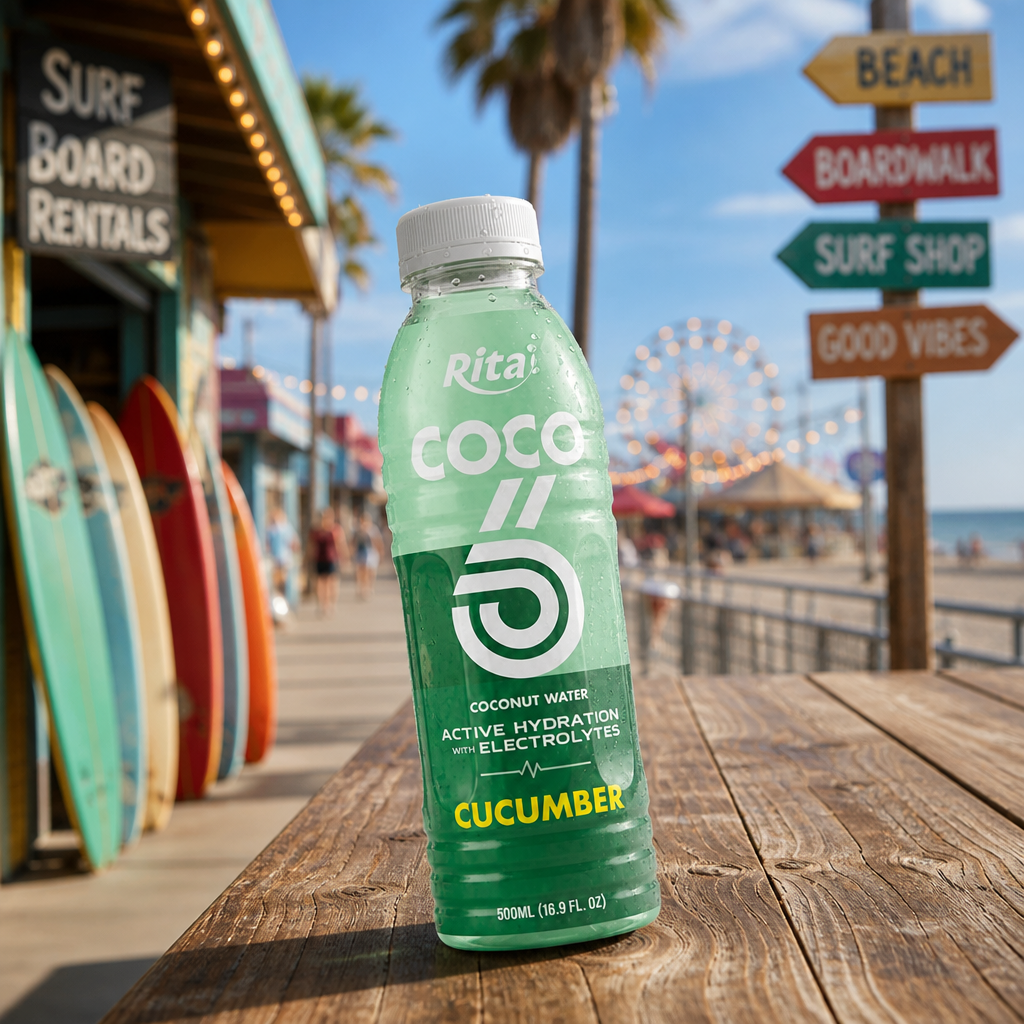
One of the critical factors in international beverage trade is the stability of the supply chain. Vietnam has emerged as a reliable manufacturing hub, thanks to its favorable trade agreements, skilled workforce, and increasingly modern infrastructure. For American and Latin American importers, partnering with a Vietnamese supplier offers cost advantages without compromising on quality. The coconut products available through RITA's network are a testament to the country's growing role in the global beverage industry.
Why Vietnam Is a Strategic Sourcing Hub
Vietnam's geographical location provides a strategic advantage for shipping to both the Americas and Asia. The country's labor force is young and technically adept, and its manufacturing sector has shifted toward high-value production. For coconut water specifically, Vietnam is one of the largest producers in the world, ensuring an abundant and cost-effective supply of raw material. This combination of factors has made Vietnam an attractive destination for beverage companies seeking to diversify their supply chains beyond traditional sources.
Private Label Opportunities
The rise of private label beverages has opened new doors for manufacturers like RITA. Retailers are increasingly launching their own coconut water lines to capture margin and build brand loyalty. RITA's OEM/ODM services make it possible for retailers to create exclusive products without making large capital investments. With a deep understanding of global market trends, RITA can recommend formulations and packaging that are likely to resonate with local consumers. This collaborative approach has turned many first-time buyers into long-term partners.
Market Outlook and Export Data
The future of coconut water with electrolytes looks promising, but staying ahead requires access to accurate market intelligence. For businesses looking to expand their footprint in this category, understanding demand patterns and price fluctuations is essential. Below is a placeholder for comprehensive market data that will provide actionable insights into the sector.
Mangosteen Coconut Water: Global Market & Export Outlook
1. Annual Trade Growth: Explosive Expansion, Rapid Premiumization
Trade in mangosteen coconut water-related products accelerated sharply between 202
Sourcing the right product and supplier is only half the battle. Successful market entry also depends on understanding local consumer behavior and distribution channels. In the United States, for example, coconut water with cucumber flavor may appeal to younger consumers who prioritize unique taste experiences. In Latin American markets, the same product might be positioned as a premium imported beverage. These nuances underscore the importance of working with a manufacturing partner that has both global experience and local expertise.
Frequently Asked Questions
What makes coconut water with electrolytes different from regular coconut water?
Electrolyte-enhanced coconut water is formulated to include additional essential minerals such as potassium, calcium, and magnesium, which help maintain the body's fluid balance. Regular coconut water naturally contains some electrolytes, but the enhanced version is specifically designed for consumption after physical activity.
Is cucumber-flavored coconut water a new product category?
Cucumber is a relatively recent flavor innovation in the coconut water segment. It offers a crisp, refreshing taste that differentiates the product from traditional coconut water. This flavor variant has gained popularity in markets where consumers are looking for unique and low-sugar beverage options.
How does RITA ensure the quality of its coconut water?
RITA implements a rigorous quality management system backed by international certifications such as BRC, FSSC 22000, ISO, and HACCP. The company also conducts regular testing of raw materials and finished products, and provides a Certificate of Analysis for each production batch to guarantee traceability and compliance.
Can private label brands customize the coconut water product?
Yes, RITA specializes in OEM/ODM services. Brands can customize the formulation, flavor profile, electrolyte content, packaging design, and even the labeling. This flexibility allows retailers and distributors to create a unique product that meets their specific market requirements.


 No.08, Thong Nhat Boulevard,